
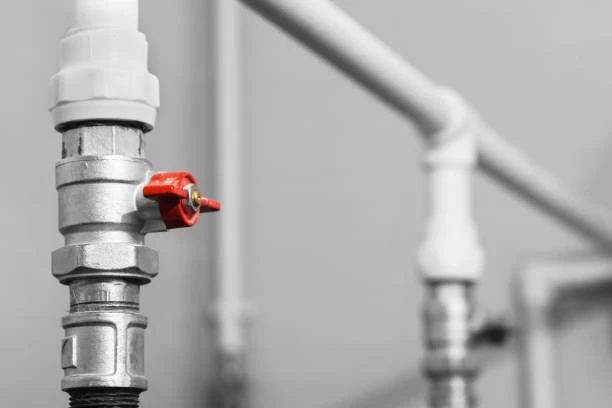
Choosing the right butterfly valve is crucial to ensuring your project runs smoothly and efficiently. When your project requires a 4 inch butterfly valve, several factors come into play. This guide will help you understand what to look for and how to select the perfect valve that matches your needs.
What Is a 4 Inch Butterfly Valve?
A 4 inch butterfly valve refers to a valve with a nominal pipe size (NPS) or diameter of 4 inches (about 100 mm). Butterfly valves regulate flow by using a rotating disc mounted on a shaft. When the valve is open, the disc turns parallel to the flow. When closed, the disc blocks the pipe completely.
Butterfly valves are popular because they are compact, cost-effective, and easy to operate. The 4 inch size is commonly used in many industries, including water supply, HVAC, chemical processing, and irrigation.
Step 1: Determine the Valve Type
First, understand the types of butterfly valves available for your project:
- Wafer Type: Fits between two flanges and held by bolts. It is compact and lightweight.
- Lug Type: Has threaded inserts (lugs) that allow it to be bolted directly to the flange. It can be used for dead-end service.
- Flanged Type: Comes with flanges welded or bolted to the valve body, making it heavier but easier to maintain.
- Triple Offset: Designed for high performance, it provides a tight seal suitable for extreme conditions.
Choose the type that fits your piping system and project requirements.
Step 2: Check the Pressure Rating
Pressure rating is crucial for safety and valve longevity. It is usually expressed as PN (Pressure Nominal) or class (e.g., Class 150, 300).
- For a typical 4 inch valve, common ratings are PN10, PN16, or Class 150.
- Confirm the maximum operating pressure of your system.
- Choose a valve with a pressure rating equal or higher than your system pressure.
Step 3: Consider the Valve Body and Disc Material
The valve’s material affects durability, corrosion resistance, and cost.
- PVC: Lightweight and corrosion-resistant, good for water and chemicals but limited temperature range.
- Cast Iron / Ductile Iron: Strong and affordable, suitable for water and low-corrosion fluids.
- Stainless Steel: Excellent corrosion resistance, ideal for harsh chemicals or food-grade systems.
- Carbon Steel: Strong but less corrosion resistant, often used with protective coatings.
- Aluminum Bronze: Good for seawater and marine applications.
Select materials compatible with your fluid type and environmental conditions.
Step 4: Choose the Seat Material
The seat creates the seal between the disc and the valve body. Seat materials affect sealing performance and chemical compatibility.
Common seat materials include:
- EPDM (Ethylene Propylene Diene Monomer): Best for water, steam, and mild chemicals.
- NBR (Nitrile Butadiene Rubber): Good for oils, fuels, and hydraulic fluids.
- PTFE (Teflon): Highly chemical-resistant, suitable for acids and aggressive fluids.
- Viton: Resistant to oils, fuels, and chemicals, also withstands high temperatures.
Match the seat to the type of fluid in your system.
Step 5: Decide on the Actuation Method
How you operate the valve depends on your project needs:
- Manual: Lever or gear-operated handles work well for occasional use or small systems.
- Electric Actuator: Automates valve operation for remote or precise control.
- Pneumatic Actuator: Uses compressed air for fast and repetitive operation.
Consider whether manual or automated operation suits your system best.
Step 6: Evaluate Temperature Range
Check the maximum and minimum temperatures your valve must withstand.
- PVC valves generally work up to 60°C (140°F).
- Metal valves, especially with PTFE seats, can handle higher temperatures.
- Ensure that both body and seat materials match your system’s temperature.
Step 7: Understand Installation and Maintenance Needs
Some valves are easier to install and maintain than others.
- Wafer and lug types are easier to install but may not support dead-end service.
- Flanged valves allow easier removal for maintenance.
- Regularly check for wear and leaks.
- Choose a valve design that fits your maintenance schedule and budget.
Step 8: Check Industry Standards and Certifications
Ensure the valve meets relevant standards for your industry:
- ISO, ANSI, API, or AWWA certifications indicate compliance with safety and quality.
- Food or pharmaceutical projects may require FDA approval.
- Confirm certifications before purchasing.
Conclusion: Make an Informed Decision
Choosing the right 4 inch butterfly valve requires considering multiple factors such as type, pressure rating, materials, seat, actuation, and installation needs. Always select a valve that fits your system’s specific requirements to ensure durability, safety, and efficiency.
IFAN Product International Standard
IFAN designs its piping and valve products to meet a wide range of international standards, ensuring global compatibility and trusted performance. The company strictly follows ISO 15875 and BS EN ISO 15875, which define the requirements for PEX pipes used in hot and cold water systems. IFAN also complies with GB/T 18992, the Chinese national standard, and DIN 16892, the German specification for plastic piping systems, to guarantee regional quality and reliability.
To meet North American requirements, IFAN products are certified under ASTM F877 and ASTM F2788, ensuring safe use in hot and cold water distribution. In the UK, IFAN adheres to the BS 7291 standard, which applies to polybutylene and polyethylene systems in residential and commercial buildings. Additionally, CSA B137 certification confirms IFAN’s compliance with Canadian plumbing standards.
By meeting these rigorous international benchmarks, IFAN delivers high-quality, dependable solutions trusted by professionals worldwide. This comprehensive compliance enhances product safety, boosts customer confidence, and supports IFAN’s strong presence in the global market.
Contact
IFAN is a professional manufacturer with 30 years of experience, dedicated to producing high-quality plastic pipes, fittings, and valves. Our products include brass valves, PPR valves, as well as various pipes and fittings to meet different customer needs. Whether you need plumbing and drainage pipes or valve products. IFAN can provide a diverse range of high-quality, cost-effective products to support your projects. Below is our contact information.
We will reply your email or fax within 24 hours.
You can call us at any time if there is any question on our production.
Pls Mailto:[email protected]






Recent Comments