
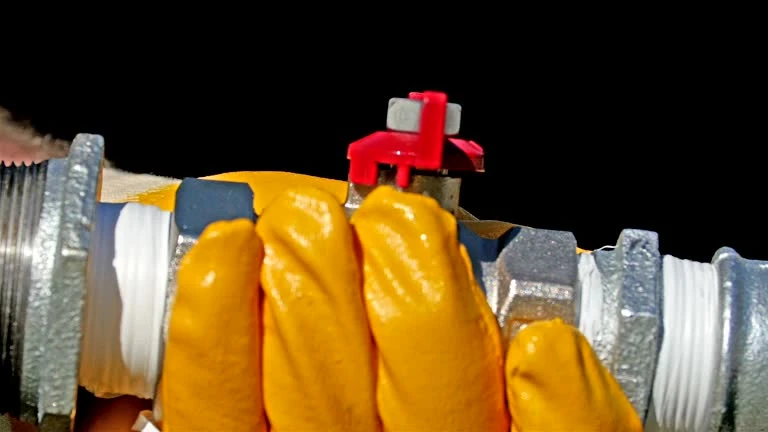
Butterfly valves play a key role in fluid control systems. Among the various sizes and pressure ratings, the Butterfly Valve PN16 DN100 is one of the most common and practical choices for many industrial and commercial uses. In this article, we will explain what these valves are, why they matter, how they work, and where they are best applied.
Understanding the Basics: What Is a Butterfly Valve?
A butterfly valve is a quarter-turn valve used to start, stop, and regulate flow. Unlike gate or ball valves, butterfly valves have a disc mounted on a rotating shaft. When the valve is closed, the disc blocks flow completely. When the valve is open, the disc rotates a quarter turn to allow fluid through.
Because of their compact design, quick operation, and cost-efficiency, butterfly valves are widely used in water treatment, HVAC, and industrial pipelines.
Breaking Down the Code: What Does PN16 DN100 Mean?
To understand PN16 DN100, let’s break it down:
- DN100 refers to the nominal diameter of the valve. “DN” stands for “Diameter Nominal” (from French). DN100 means the pipe or valve has a diameter of 100 millimeters, or approximately 4 inches.
- PN16 refers to the pressure rating. “PN” means “Pressure Nominal.” PN16 indicates that the valve can handle a maximum working pressure of 16 bar, which is about 232 psi (pounds per square inch).
So, a Butterfly Valve PN16 DN100 is a valve that fits a 100mm pipeline and withstands up to 16 bar of pressure.
Materials and Construction: Built for Strength and Longevity
To ensure performance under pressure, these butterfly valves are made from durable materials. Typically, you will find:
- Body: Cast iron, ductile iron, or stainless steel
- Disc: Stainless steel, aluminum bronze, or coated ductile iron
- Seat (Lining): EPDM (for water), NBR (for oil), or PTFE (for chemicals)
- Stem/Shaft: Stainless steel or carbon steel
These materials ensure the valve can handle different fluids, including water, oil, steam, or gas, depending on the application.
How Does It Work? The Operation Explained Simply
The operation of a Butterfly Valve PN16 DN100 is simple:
- Open Position: When the handle or actuator turns 90 degrees, the disc becomes parallel to the flow, allowing fluid to pass.
- Closed Position: When the disc rotates back to the original position, it blocks the flow entirely.
- Throttling (Partial Opening): You can also open the disc partially to control the flow rate.
This quick quarter-turn operation makes butterfly valves ideal for both on-off and modulating flow control.
Key Advantages of Using Butterfly Valve PN16 DN100
Now, let’s look at the benefits:
1. Space-Saving Design
Butterfly valves have a slim profile, which makes them perfect for installations with limited space.
2. Lightweight and Easy to Install
Compared to gate or globe valves of similar size, butterfly valves are much lighter, which reduces the load on piping systems and simplifies installation.
3. Cost-Efficient
With fewer moving parts and simpler construction, these valves are generally cheaper than other valve types.
4. Low Maintenance
They require minimal servicing and can operate reliably for years with proper usage.
5. Fast Operation
A simple 90-degree turn fully opens or closes the valve, ensuring quick control during emergencies.
Typical Applications: Where Can You Use Butterfly Valve PN16 DN100?
This valve is extremely versatile. You will find it in many industries, including:
1. Water Supply and Treatment Systems
- Municipal water pipelines
- Wastewater treatment plants
- Irrigation networks
In these systems, DN100 valves are commonly used as main shutoff valves due to their large size and fast operation.
2. HVAC (Heating, Ventilation, and Air Conditioning)
- Chilled water lines
- Cooling tower systems
- Boiler feed lines
Because of their quick operation and compact size, they are ideal for regulating flow in heating and cooling systems.
3. Industrial and Chemical Plants
- Acid and chemical delivery systems
- Processing lines for oils and gases
- Steam or high-pressure systems
Thanks to their high pressure rating (PN16) and material flexibility, these valves perform well even under harsh chemical or temperature conditions.
4. Fire Protection Systems
- Sprinkler lines
- Fire main shutoff valves
Their quick action and reliable sealing make them suitable for fire control and emergency response systems.
Butterfly Valve vs Other Valve Types: Why Choose It?
When comparing butterfly valves with other types, such as ball or gate valves, here’s what you should know:
| Feature | Butterfly Valve | Ball Valve | Gate Valve |
|---|---|---|---|
| Space Needed | Compact | Medium | Large |
| Price | Low | Medium | High |
| Speed | Fast (Quarter Turn) | Fast | Slow (Multi-Turn) |
| Weight | Light | Medium | Heavy |
| Best Use | Flow control, shutoff | On-off | Rarely used for flow control |
As you can see, butterfly valves strike a good balance between function, cost, and size.
Types of Actuators Available
Butterfly Valve PN16 DN100 can be operated in different ways:
- Manual (Lever or Gear): Good for simple shutoff tasks.
- Electric Actuator: Ideal for remote or automated systems.
- Pneumatic Actuator: Suitable for fast and frequent operation in process industries.
You can choose the actuation method based on how often you need to operate the valve and whether automation is needed.
Installation and Maintenance Tips
To ensure long-lasting performance, keep these tips in mind:
- Align the valve properly during installation to avoid stress on the body.
- Avoid overtightening the bolts, especially with rubber seats.
- Operate the valve regularly to prevent seizing, especially in rarely used lines.
- Check for leaks after installation.
- Follow the manufacturer’s maintenance guide for cleaning or replacing parts if needed.
By following these basic steps, you can extend the valve’s service life and prevent costly downtime.
Conclusion: A Smart Choice for Reliable Flow Control
The Butterfly Valve PN16 DN100 is a practical, reliable, and cost-effective solution for fluid control in a wide range of industries. Whether you’re managing water flow in a city pipeline or controlling chemicals in a processing plant, this valve delivers performance, durability, and efficiency.
Thanks to its simple design, high pressure rating, and broad material compatibility, it’s no surprise that this valve is one of the most popular options on the market.
IFAN Product International Standard
IFAN designs its piping and valve products to meet a wide range of international standards, ensuring global compatibility and trusted performance. The company strictly follows ISO 15875 and BS EN ISO 15875, which define the requirements for PEX pipes used in hot and cold water systems. IFAN also complies with GB/T 18992, the Chinese national standard, and DIN 16892, the German specification for plastic piping systems, to guarantee regional quality and reliability.
To meet North American requirements, IFAN products are certified under ASTM F877 and ASTM F2788, ensuring safe use in hot and cold water distribution. In the UK, IFAN adheres to the BS 7291 standard, which applies to polybutylene and polyethylene systems in residential and commercial buildings. Additionally, CSA B137 certification confirms IFAN’s compliance with Canadian plumbing standards.
By meeting these rigorous international benchmarks, IFAN delivers high-quality, dependable solutions trusted by professionals worldwide. This comprehensive compliance enhances product safety, boosts customer confidence, and supports IFAN’s strong presence in the global market.
Contact
IFAN is a professional manufacturer with 30 years of experience, dedicated to producing high-quality plastic pipes, fittings, and valves. Our products include brass valves, PPR valves, as well as various pipes and fittings to meet different customer needs. Whether you need plumbing and drainage pipes or valve products. IFAN can provide a diverse range of high-quality, cost-effective products to support your projects. Below is our contact information.
We will reply your email or fax within 24 hours.
You can call us at any time if there is any question on our production.
Pls Mailto:[email protected]










Recent Comments