
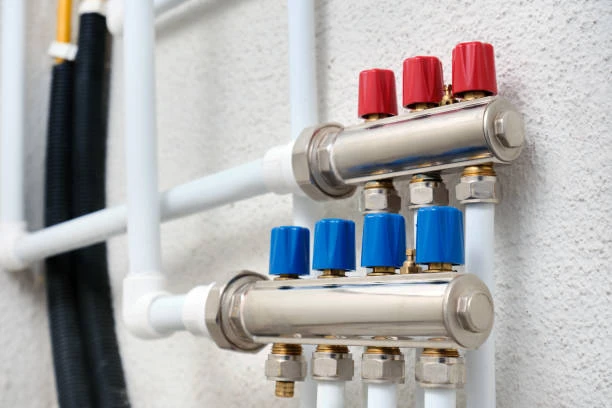
Radiant heat tubing projects require comprehensive planning and coordinated execution across multiple disciplines to ensure successful implementation. Effective project management encompasses everything from initial design and material selection to installation coordination and system commissioning. This complete guide examines the key project management considerations for radiant heat tubing installations, covering timeline development, budget management, team coordination, and quality assurance protocols. We will explore how proper project planning and execution ensure successful outcomes, timely completion, and optimal system performance. Understanding these project management principles helps contractors, engineers, and building owners navigate the complexities of radiant heating projects while maintaining quality standards and meeting project objectives.
Basic Definition and Key Characteristics
Radiant heat tubing projects involve the design and installation of hydronic heating systems that use networks of flexible tubes to distribute warm water through building structures. These projects feature several distinct characteristics that influence project management approaches. The tubing systems require coordination with multiple construction trades and careful sequencing of activities. Projects typically involve custom engineering based on specific building requirements and heat load calculations. Key project elements include material procurement, installation scheduling, quality control measures, and system testing protocols. The hidden nature of most installations demands meticulous documentation and verification at each project phase. Successful projects maintain clear communication channels among all stakeholders and implement robust change management procedures.
Frequently Asked Questions (FAQ)
1. What are the key phases in a radiant heat tubing project timeline?
Projects typically progress through several distinct phases beginning with design and engineering. The initial phase includes heat load calculations, system design, and material specification. Procurement follows with ordering materials and confirming delivery schedules. Installation involves substrate preparation, tubing layout, and manifold installation.
2. How do we manage coordination with other construction trades?
Establish clear communication protocols and regular coordination meetings from project inception. Develop detailed installation sequences that show interface points with electrical, plumbing, and structural work. Use building information modeling (BIM) when possible to identify and resolve conflicts early. Create shared access schedules for work areas and establish buffer times between trade activities.
3. What factors most significantly impact project budgeting?
Material costs fluctuate based on polymer prices and market availability. Labor requirements depend on installation complexity and site conditions. Design changes during construction can significantly impact budgets. Site accessibility and working conditions affect installation efficiency. Testing and commissioning requirements vary based on project specifications. Unexpected site conditions or existing structure modifications often require additional resources.
4. How should we handle change orders and design modifications?
Establish a formal change order process at project initiation. Document all requested changes with complete descriptions and cost impacts. Obtain written approval before implementing any changes. Update all project documents including drawings and specifications immediately.
5. What quality assurance measures are essential throughout the project?
Implement a multi-stage inspection process beginning with material verification upon delivery. Conduct regular installation quality checks using standardized checklists. Document all pressure tests with photographs and pressure charts. Verify tube spacing and layout before covering installations. Maintain material traceability records for all components. Conduct final performance testing with recorded data. Implement a deficiency tracking system that ensures all issues get addressed before project completion.
Common Uses and Application Industries
Radiant heat tubing projects span diverse sectors with unique project management requirements. Residential projects demand careful scheduling around homeowner occupancy and customization preferences. Commercial developments require coordination with tight construction timelines and multiple tenant requirements. Industrial facilities need special considerations for equipment integration and operational downtime. Institutional projects often involve complex approval processes and strict compliance requirements. Renovation projects present challenges with existing conditions and phased occupancy plans. Snow melt systems require weather-dependent scheduling and urgent timeline management. Each project type demands tailored management approaches that address specific industry standards, regulatory requirements, and client expectations while maintaining focus on quality installation and system performance.
Conclusion
In summary, successful radiant heat tubing projects require diligent project management that addresses technical requirements, scheduling constraints, and stakeholder expectations. Effective planning, clear communication, and thorough documentation form the foundation of project success. The unique characteristics of radiant heating installations demand specialized management approaches that coordinate multiple trades and ensure quality throughout the construction process. As project complexity increases and timelines compress, robust management practices become increasingly important for delivering successful outcomes. The future of radiant heat tubing project management will likely incorporate more digital tools for coordination and monitoring, while continuing to emphasize the fundamental principles of careful planning, quality assurance, and effective team management that ensure project success and client satisfaction.
IFAN’s international standards
IFAN products comply with multiple international standards, including BS 3505, BS 4346, ASTM D1785 SCH40, ASTM D1785 SCH80, DIN, GB, DWV, ASTM D2665, ASTM D2241, ASTM D2729, ASTM F441/F441M, ISO 1452 Series standards, EN ISO 1452, DIN 8061/8062, GB/T 10002 Series standards, AS/NZS 1477, JIS K6741, CSA B137.3, NSF/ANSI 14, TIS 17-2532/1131-2535, among others. These certifications ensure that IFAN piping systems meet global requirements for safety, durability, and performance.
Contact
IFAN is a professional manufacturer with 30 years of experience, dedicated to producing high-quality plastic pipes, fittings, and valves. Our products include brass valves, PPR valves, as well as various pipes and fittings to meet different customer needs. Whether you need plumbing and drainage pipes or valve products. IFAN can provide a diverse range of high-quality, cost-effective products to support your projects. Below is our contact information.
We will reply your email or fax within 24 hours.
You can call us at any time if there is any question on our production.
Pls Mailto:[email protected]




Recent Comments