
Introduction
Modern piping systems require materials that can handle pressure, resist corrosion, and last for decades. Among the available options, HDPE pipe fittings stand out as one of the most reliable choices. They combine durability, flexibility, and cost efficiency, which makes them suitable for water supply, gas distribution, sewage treatment, and many other industries. In this article, we will explore the definition, features, applications, buying guide, installation practices, and a comparison with other piping materials. By the end, you will clearly understand why HDPE pipe fittings continue to dominate modern infrastructure projects.
Frequently Asked Questions (FAQ)
1. What are HDPE pipe fittings?
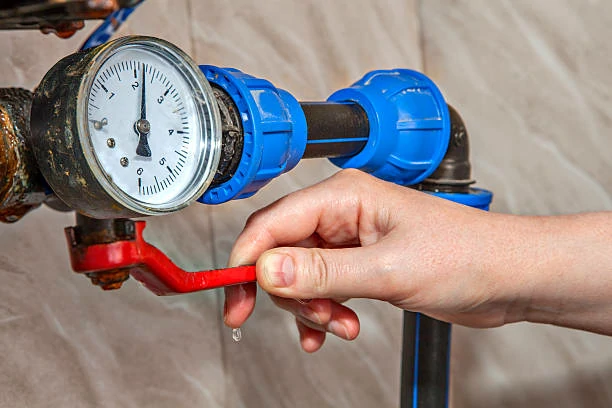
HDPE pipe fittings connect, join, and redirect HDPE pipes in different piping systems. They provide strong and leak-free joints that support reliable fluid and gas transport.
2. Why do industries prefer HDPE fittings?
Industries choose HDPE fittings because they resist corrosion, handle high pressure, reduce maintenance, and last for decades.
3. Are HDPE fittings safe for drinking water?
Yes. Certified HDPE fittings meet international safety standards. Therefore, they offer safe and hygienic solutions for potable water systems.
4. How long can HDPE fittings last?
When users install them correctly and maintain them properly, HDPE fittings can serve for over It depends on the actual situation..
5. Do HDPE fittings support sustainability?
Absolutely. Manufacturers recycle HDPE material, and users often choose it to reduce environmental impact.
Definition and Key Features of HDPE Pipe Fittings
HDPE stands for High-Density Polyethylene, a thermoplastic known for strength and flexibility. Because of these qualities, manufacturers produce fittings that perfectly match HDPE pipes. When users install these fittings, they create seamless and reliable joints that improve the overall performance of the pipeline.
Several key features explain their popularity. Firstly, HDPE fittings provide exceptional strength and withstand both internal and external pressures. Secondly, they remain flexible, which allows them to absorb ground movement during earthquakes or soil shifts. In addition, their corrosion resistance protects systems in aggressive environments. Moreover, they handle a wide range of chemicals without degrading. Another advantage lies in their smooth internal surface, which reduces friction and ensures efficient fluid flow. Finally, they guarantee a service life of more than It depends on the actual situation., making them a long-term investment.
Common Applications and Industries
Because of their outstanding features, HDPE pipe fittings find applications in many industries. Let us look at the most common ones:
- Water supply networks: Cities and towns rely on HDPE fittings to deliver clean water. In addition, rural areas use them for irrigation projects.
- Gas distribution: Energy companies depend on these fittings to transport natural gas and LPG safely.
- Sewage and drainage: Municipalities use them to manage wastewater efficiently while preventing leaks.
- Industrial processes: Factories transport chemicals and other fluids using HDPE systems because they resist corrosion.
- Mining: The mining industry depends on HDPE for slurry and tailings pipelines since they resist abrasion.
- Firefighting networks: Builders install HDPE fittings in emergency water supply systems to ensure reliability.
- Telecommunications and power: Contractors use them as conduits to protect electrical and data cables underground.
As a result of these wide applications, HDPE fittings have become essential in infrastructure projects across the world.
Buying Guide: How to Choose HDPE Pipe Fittings
Selecting the right HDPE pipe fittings ensures long-term performance. Therefore, buyers should evaluate several factors before making a decision.
Firstly, buyers need to check the material quality. Reliable fittings use PE100 or PE80 grades because they provide better strength and safety. Secondly, size compatibility plays an important role. Always match the fitting diameter and wall thickness with the pipe specifications. Moreover, color markings indicate their intended use: black with blue stripes often represents water, while yellow stripes usually represent gas.
In addition, certifications provide a guarantee of quality. Reputable manufacturers follow standards such as ISO, ASTM, or national certifications. Furthermore, buyers must consider the jointing method. For example, electrofusion fittings suit projects that require high precision, while butt fusion joints work well for larger pipes. Compression fittings, on the other hand, help in small-scale projects. Finally, brand reputation should influence the choice. Well-known brands usually provide warranties, after-sales support, and consistent product quality.
By following these guidelines, buyers can confidently select fittings that meet both technical and safety requirements.
Installation Guidelines for HDPE Pipe Fittings
Even the best fittings cannot deliver performance without proper installation. Therefore, users should follow essential guidelines.
Firstly, prepare the site by ensuring clean surfaces and stable trenches. Secondly, choose the correct joining method for the project. Butt fusion, electrofusion, or compression joints must align with the design requirements. In addition, installers must consider temperature changes. HDPE expands and contracts, so proper allowances prevent damage.
Moreover, correct alignment matters. Misaligned fittings create stress points that reduce system life. Therefore, use professional tools for cutting and shaping. After installation, always conduct a pressure test. This step confirms that the joints are secure and the system can handle operating conditions. Finally, avoid sharp tools or improper handling that might scratch or weaken the fittings.
When installers follow these practices, they extend the service life of HDPE systems and reduce maintenance costs.
HDPE Pipe Fittings vs Other Pipe Materials
The following comparison highlights why HDPE pipe fittings often outperform traditional alternatives:
| Feature | HDPE Pipe Fittings | PVC Fittings | Metal Fittings (Steel/Copper) |
|---|---|---|---|
| Corrosion Resistance | Excellent, no rust | Good, limited durability | Weak, rusts over time |
| Flexibility | High, absorbs movement | Moderate | Rigid, easily cracks |
| Weight | Very light | Light | Heavy and difficult to handle |
| Service Life | 50+ years | 25–40 years | 20–30 years |
| Chemical Resistance | Excellent | Limited | Moderate |
| Installation Cost | Medium, efficient | Low | High labor and cost |
| Recyclability | Fully recyclable | Partial recyclability | Recyclable but energy-heavy |
As the table shows, HDPE fittings offer stronger performance in nearly all critical aspects. While PVC may attract buyers because of its lower cost, it lacks the durability and chemical resistance of HDPE. On the other hand, metal fittings provide strength but suffer from corrosion and higher maintenance costs. Therefore, HDPE stands out as the most balanced and efficient solution.
Conclusion
HDPE pipe fittings combine strength, flexibility, and long service life, which makes them the preferred choice for modern piping systems. They serve essential roles in water supply, gas distribution, sewage management, industrial processes, and even mining. Buyers who carefully evaluate quality, size, certification, and installation methods enjoy safe and long-lasting systems.
In addition, when comparing HDPE fittings with PVC or metal alternatives, the advantages of HDPE become clear. They resist corrosion, weigh less, last longer, and offer excellent recyclability. Therefore, engineers, contractors, and project owners continue to rely on HDPE pipe fittings as a reliable, sustainable, and cost-effective solution for the future.
IFAN’s international standards
IFAN adheres to a comprehensive set of international and national standards to ensure the highest quality and reliability of its products. These standards include ISO 15874 Series, EN 15874 Series, ASTM F2389, DIN 8077/8078, GB/T 18742 Series, NBR 15884, and others. By following these rigorous benchmarks, IFAN guarantees durable, safe, and efficient piping and fitting solutions for various applications.
Contact
IFAN is a professional manufacturer with 30 years of experience, dedicated to producing high-quality plastic pipes, fittings, and valves. Our products include brass valves, PPR valves, as well as various pipes and fittings to meet different customer needs. Whether you need plumbing and drainage pipes or valve products. IFAN can provide a diverse range of high-quality, cost-effective products to support your projects. Below is our contact information.
We will reply your email or fax within 24 hours.
You can call us at any time if there is any question on our production.
Pls Mailto:[email protected]



Recent Comments