

Polypipe underfloor heating systems represent the pinnacle of modern heating technology, offering unparalleled comfort and efficiency for both residential and commercial applications. These sophisticated systems utilize a network of high-quality pipes beneath floor surfaces to distribute warmth evenly throughout spaces, eliminating cold spots and reducing energy consumption. As a professional solution, Polypipe underfloor heating integrates seamlessly with various heat sources and building management systems, providing precise temperature control and long-term reliability. This comprehensive guide will explore the technical aspects, professional installation considerations, and industry-specific applications of these advanced heating systems, demonstrating why they have become the preferred choice for architects, engineers, and homeowners seeking superior heating performance.
Basic Definition and Characteristics
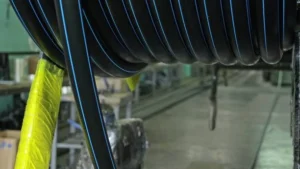
Polypipe underfloor heating constitutes a hydronic heating system that employs durable cross-linked polyethylene pipes arranged in strategic patterns beneath floor coverings. These systems operate by circulating temperature-controlled water through the pipe network, radiating heat upward to create consistent thermal comfort. The professional-grade construction features oxygen barrier protection to prevent corrosion and ensure system longevity, while the flexible pipe design allows for adaptation to various architectural layouts.
A key professional characteristic lies in the system’s compatibility with building management systems, enabling precise zone control and integration with smart home technologies. The low profile installation maintains ceiling heights and architectural integrity, while the minimal maintenance requirements make it particularly suitable for commercial applications. Additionally, these systems demonstrate exceptional thermal efficiency, operating at lower water temperatures than traditional radiators while delivering superior heat distribution. The inherent design flexibility supports both new construction projects and renovation applications, with specialized solutions available for various structural requirements.
Common Uses and Application Industries
Professional applications of Polypipe underfloor heating span numerous industries where precise climate control and energy efficiency are paramount. In high-end residential projects, architects specify these systems for their silent operation and space-saving benefits, particularly in open-plan designs and minimalist interiors. The healthcare industry utilizes these systems in hospitals and care facilities where hygienic, draft-free heating supports patient comfort and infection control protocols.
Commercial office developments incorporate underfloor heating as part of integrated building management systems, enhancing employee comfort while reducing operational costs. The education sector employs these systems in schools and universities, where consistent temperatures improve learning environments and reduce maintenance requirements. Luxury hospitality venues, including hotels and spas, leverage the comfort advantages for guest rooms and common areas, often combining them with renewable energy sources for sustainable operation.
Industrial applications include manufacturing facilities where precise temperature maintenance is crucial for processes and employee comfort. Retail spaces benefit from the unobstructed floor plans that underfloor heating enables, allowing flexible merchandise arrangements. Even specialized applications such as sports facilities, museums, and religious buildings utilize these systems for their reliable performance and preservation of architectural aesthetics.
Frequently Asked Questions (FAQ)
What professional certifications and standards do Polypipe underfloor heating systems meet?
These systems comply with international quality standards including ISO 9001 and carry CE marking. They meet building regulations for energy efficiency and typically exceed requirements for heating performance. Professional installers often hold additional certifications specific underfloor heating installation techniques.
How do professionals determine the appropriate pipe spacing and layout for optimal performance?
Certified engineers calculate pipe spacing based on heat loss calculations, room usage patterns, and floor construction specifications. They consider factors such as external wall exposure, window types, and insulation values to create customized layout plans that ensure even heat distribution and efficient operation.
What integration capabilities exist with building automation systems?
Polypipe systems feature advanced connectivity options that allow integration with most building management systems. Professionals can incorporate weather compensation controls, room-specific programming, and remote monitoring capabilities. The systems also support integration with renewable energy sources and smart grid technologies.
What are the professional installation considerations for different floor constructions?
Installation varies significantly between concrete screed floors, timber suspended floors, and retrofit applications. Professionals consider factors such as thermal mass, response times, and floor height adjustments. They employ specific installation methods for each scenario, ensuring optimal thermal transfer and system responsiveness.
How do professionals address system maintenance and long-term reliability concerns?
The closed-loop design requires minimal maintenance, but professionals recommend periodic pressure checks and pump maintenance. System design includes accessible manifold points for potential servicing. Most professional installations come with extended warranties and support packages to ensure long-term performance.
Conclusion
Polypipe underfloor heating stands as a professional-grade solution that combines technical excellence with practical comfort benefits. Its sophisticated design and engineering make it suitable for the most demanding residential and commercial applications, while its energy-efficient operation supports sustainable building practices. The system’s versatility across various industries demonstrates its adaptability to different architectural requirements and performance needs. For professionals seeking reliable, efficient, and aesthetically pleasing heating solutions, Polypipe underfloor heating offers comprehensive benefits that traditional systems cannot match. As building standards continue to emphasize energy efficiency and occupant comfort, these advanced systems will undoubtedly play an increasingly important role in modern construction and renovation projects, setting new standards for heating performance and environmental responsibility.
IFAN’s international standards
IFAN products comply with multiple international standards, including BS 3505, BS 4346, ASTM D1785 SCH40, ASTM D1785 SCH80, DIN, GB, DWV, ASTM D2665, ASTM D2241, ASTM D2729, ASTM F441/F441M, ISO 1452 Series standards, EN ISO 1452, DIN 8061/8062, GB/T 10002 Series standards, AS/NZS 1477, JIS K6741, CSA B137.3, NSF/ANSI 14, TIS 17-2532/1131-2535, among others. These certifications ensure that IFAN piping systems meet global requirements for safety, durability, and performance.
Contact
IFAN is a professional manufacturer with 30 years of experience, dedicated to producing high-quality plastic pipes, fittings, and valves. Our products include brass valves, PPR valves, as well as various pipes and fittings to meet different customer needs. Whether you need plumbing and drainage pipes or valve products. IFAN can provide a diverse range of high-quality, cost-effective products to support your projects. Below is our contact information.
We will reply your email or fax within 24 hours.
You can call us at any time if there is any question on our production.
Pls Mailto:[email protected]











Recent Comments