
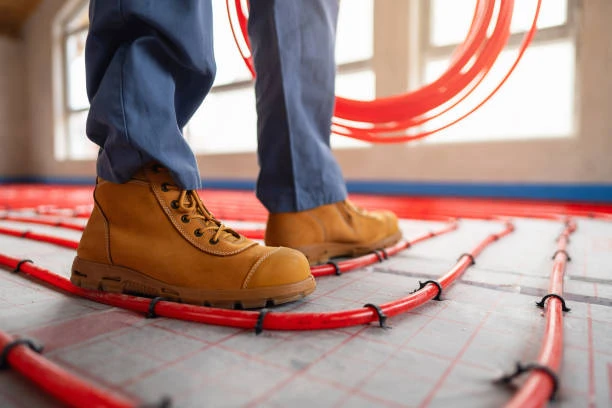
Imagine stepping onto a warm floor on a chilly morning, feeling gentle heat spread evenly throughout your room without any cold spots or noisy drafts. This is the comfort that Polypipe underfloor heating systems deliver. They represent a modern solution for heating homes and commercial spaces, moving beyond traditional radiators to provide superior energy efficiency, consistent warmth, and more flexible interior design. In this comprehensive guide, we will explore how Polypipe underfloor heating works, its key benefits, common applications, and answer frequently asked questions. Whether you are building a new property or renovating an existing one, this system offers a smart way to enhance comfort while reducing energy costs. Let’s dive into the details of this innovative heating technology.
Basic Definition and Characteristics
Polypipe underfloor heating is a type of radiant heating system installed beneath the floor surface. It uses a network of pipes, typically made from durable cross-linked polyethylene (PEX), to circulate warm water evenly across the entire floor area. This method heats rooms from the ground up, creating a consistent temperature that eliminates the uneven warmth often associated with radiators.
One standout feature of Polypipe systems is their flexibility. They come in various designs, such as modular panels or loose pipe layouts, making them suitable for different project types. The pipes are strong yet lightweight, ensuring long-term reliability without corrosion or leaks. Additionally, these systems integrate seamlessly with various heat sources, including heat pumps, solar thermal panels, and gas boilers. This compatibility supports energy-efficient operation, lowering utility bills over time.
Another key characteristic is the low water temperature requirement. Unlike radiators that need high-temperature water, underfloor heating works efficiently at lower temperatures, reducing energy consumption. The system also operates quietly and remains hidden, preserving aesthetic appeal and freeing up wall space. With easy installation options for both new builds and retrofits, Polypipe underfloor heating offers a practical and future-proof heating solution.
Common Uses and Application Industries
Polypipe underfloor heating systems serve a wide range of applications due to their versatility and efficiency. In residential settings, homeowners often install them in living areas, kitchens, and bathrooms to create a cozy environment. They work well with various floor coverings, including tiles, wood, and laminate, making them ideal for both new constructions and renovation projects. Families appreciate the added safety, as the system eliminates hot surfaces that could burn children or pets.
Beyond homes, these systems are popular in commercial and industrial sectors. Offices use underfloor heating to maintain employee comfort without sacrificing space with radiators. Hotels and spas integrate it for a luxurious guest experience, especially in bathrooms and lobbies. In healthcare facilities, such as hospitals and nursing homes, the consistent heat supports patient well-being and hygiene by reducing dust circulation.
The retail industry also benefits from underfloor heating. Stores use it to keep shopping areas warm and inviting while maximizing layout flexibility. Schools and universities install these systems to create comfortable learning environments with lower operating costs. Even agricultural buildings, like greenhouses, utilize underfloor heating to regulate temperatures for plant growth. With such diverse applications, Polypipe underfloor heating meets the needs of almost any industry seeking efficient and discreet climate control.
Frequently Asked Questions (FAQ)
How does Polypipe underfloor heating compare to traditional radiators in terms of efficiency?
Polypipe underfloor heating is significantly more efficient than radiators. It operates at lower water temperatures, reducing energy consumption by up to 25%. The radiant heat distribution also minimizes heat loss, ensuring consistent warmth without overheating spaces. This efficiency translates to lower utility bills and a smaller carbon footprint.
What types of floors are compatible with this system?
The system works with a variety of floor materials, including ceramic tiles, stone, engineered wood, laminate, and even carpet. Each material has different thermal conductivity, with tiles offering the best heat transfer. Proper insulation beneath the pipes enhances performance regardless of the floor covering.
Is underfloor heating suitable for existing homes, or only new builds?
While easier to install in new constructions, Polypipe underfloor heating can be retrofitted in existing homes. Retrofitting may involve raising floor levels or adjusting subfloors, but advanced low-profile systems make this process more manageable. Consulting a professional ensures optimal installation for any property.
How long does the installation process take?
Installation time varies based on project size and complexity. For a typical single room, it might take one to two days. Whole-house installations in new builds can take several days to a week. Factors like floor preparation and insulation can affect the timeline, but efficient design keeps disruptions minimal.
Can underfloor heating be used as the sole heating source in a home?
Yes, in well-insulated properties, Polypipe underfloor heating can serve as the primary heating source. It provides sufficient warmth even in colder climates when correctly designed. For older homes with poor insulation, supplementing with additional heat sources might be necessary for optimal comfort.
Conclusion
Polypipe underfloor heating transforms how we heat our spaces, offering unmatched comfort, efficiency, and design freedom. By delivering even warmth from the floor up, it eliminates the drawbacks of traditional radiators and supports sustainable living. This system suits various environments, from cozy homes to large commercial buildings, proving its adaptability and reliability. With easy integration with renewable energy sources and low long-term costs, it represents a smart investment for the future. If you seek a heating solution that combines performance with elegance, Polypipe underfloor heating is an excellent choice. Embrace this technology to enjoy a warmer, more efficient, and comfortable living or working space.
IFAN’s international standards
IFAN products comply with multiple international standards, including BS 3505, BS 4346, ASTM D1785 SCH40, ASTM D1785 SCH80, DIN, GB, DWV, ASTM D2665, ASTM D2241, ASTM D2729, ASTM F441/F441M, ISO 1452 Series standards, EN ISO 1452, DIN 8061/8062, GB/T 10002 Series standards, AS/NZS 1477, JIS K6741, CSA B137.3, NSF/ANSI 14, TIS 17-2532/1131-2535, among others. These certifications ensure that IFAN piping systems meet global requirements for safety, durability, and performance.
Contact
IFAN is a professional manufacturer with 30 years of experience, dedicated to producing high-quality plastic pipes, fittings, and valves. Our products include brass valves, PPR valves, as well as various pipes and fittings to meet different customer needs. Whether you need plumbing and drainage pipes or valve products. IFAN can provide a diverse range of high-quality, cost-effective products to support your projects. Below is our contact information.
We will reply your email or fax within 24 hours.
You can call us at any time if there is any question on our production.
Pls Mailto:[email protected]









Recent Comments