
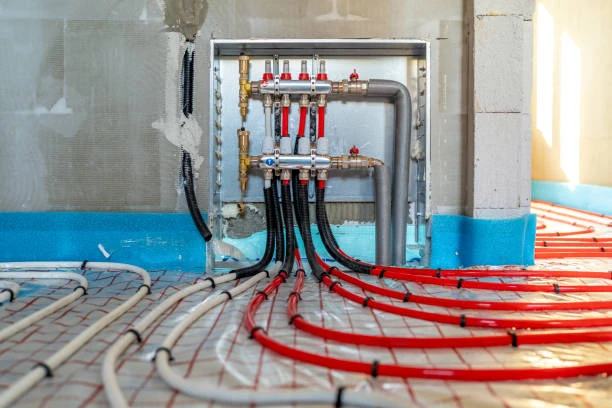
For heating installers and contractors, Polypipe underfloor heating systems represent some of the most reliable and efficient solutions available in the market today. These advanced hydronic systems require specific technical knowledge and installation expertise to ensure optimal performance and customer satisfaction. This comprehensive guide provides professional installers with essential information about Polypipe underfloor heating, covering technical specifications, installation best practices, common challenges, and industry applications. We will explore the system components, proper installation techniques, and address frequently asked questions that installers typically encounter on job sites. Whether you are new to underfloor heating or looking to enhance your existing skills, this guide offers valuable insights to help you deliver superior installation services and grow your business in this specialized field.
Basic Definition and Characteristics
Polypipe underfloor heating systems consist of a network of high-quality PEX pipes that distribute warm water beneath floor surfaces. Installers work with several key components including manifolds, pipe fittings, insulation boards, and control systems. The pipes feature an oxygen barrier layer that prevents corrosion within the system, ensuring long-term durability and performance. Installers appreciate the flexibility of the pipe material, which allows for easier handling and installation in various room configurations.
The system characteristics include excellent thermal conductivity and consistent heat distribution capabilities. Professional installers value the comprehensive technical support and installation guidelines provided by Polypipe, which include detailed CAD drawings and specification documents. The modular design approach enables installers to customize systems for different project requirements while maintaining standardization in their installation methods. The systems also feature color-coded components and clear identification markings that simplify the installation process and reduce errors on site.
Common Uses and Application Industries
Professional installers encounter Polypipe underfloor heating systems in diverse application scenarios. Residential projects form a significant portion of installations, including new build homes, renovation projects, and extension works. Installers typically work with architects and builders to integrate heating systems during the construction phase, ensuring proper coordination with other building services. Commercial installations represent another major area, covering office buildings, retail spaces, and hospitality venues where large-area heating requires careful planning and execution.
The healthcare sector provides specialized installation opportunities in hospitals, clinics, and care homes where precise temperature control is essential. Educational institutions such as schools and universities frequently require installation services for their buildings. Sports facilities including swimming pools, gymnasiums, and changing rooms often utilize underfloor heating systems. Industrial applications include warehouses and manufacturing facilities where freeze protection and comfort heating are required. Installers may also work on specialized projects such as historic building renovations, where traditional heating systems would compromise architectural integrity.
Frequently Asked Questions (FAQ)
What special tools do installers need for Polypipe underfloor heating installation?
Installers require specific tools including pipe cutters, manifold installation tools, pressure testing equipment, and pipe bending supports. Specialized equipment for floor preparation and insulation installation is also necessary. Many professional installers invest in thermal imaging cameras for system commissioning and troubleshooting.
How do installers determine the appropriate pipe layout and spacing for different projects?
Professional installers follow manufacturer guidelines and heat loss calculations to determine optimal pipe spacing. They consider factors such as room usage, floor coverings, and heat source capabilities. Most installers use specialized design software provided by manufacturers to create customized layout plans for each project.
What are the most common installation challenges and how can installers address them?
Common challenges include uneven subfloors, limited space for manifolds, and coordination with other trades. Installers overcome these issues through careful planning, regular site inspections, and clear communication with other contractors. Proper floor preparation and attention to detail during installation prevent most potential problems.
How long does a typical installation take for experienced installers?
Installation time varies based on project size and complexity. A single room might take 1-2 days, while whole-house installations typically require 3-5 days for an experienced team. Factors such as floor construction, accessibility, and system complexity affect the overall timeline. Professional installers always include adequate time for pressure testing and system commissioning.
What training and certifications are available for installers?
Polypipe and other manufacturers offer comprehensive training programs and certification courses. These include product familiarization, installation techniques, and system design principles. Many industry associations provide additional accreditation programs that help installers demonstrate their expertise to potential clients.
Conclusion
For professional installers, mastering Polypipe underfloor heating systems opens up significant business opportunities in the growing sustainable heating market. These systems offer excellent performance characteristics and customer satisfaction when installed correctly. The comprehensive product range and technical support from manufacturers make them a reliable choice for installation professionals. By developing expertise in these systems, installers can differentiate their services, command premium pricing, and build long-term relationships with clients and specifiers. The future looks bright for installers who embrace underfloor heating technology, as energy efficiency requirements continue to drive market demand. Continuous learning and adaptation to new technologies will ensure ongoing success in this specialized field.
IFAN’s international standards
IFAN products comply with multiple international standards, including BS 3505, BS 4346, ASTM D1785 SCH40, ASTM D1785 SCH80, DIN, GB, DWV, ASTM D2665, ASTM D2241, ASTM D2729, ASTM F441/F441M, ISO 1452 Series standards, EN ISO 1452, DIN 8061/8062, GB/T 10002 Series standards, AS/NZS 1477, JIS K6741, CSA B137.3, NSF/ANSI 14, TIS 17-2532/1131-2535, among others. These certifications ensure that IFAN piping systems meet global requirements for safety, durability, and performance.
Contact
IFAN is a professional manufacturer with 30 years of experience, dedicated to producing high-quality plastic pipes, fittings, and valves. Our products include brass valves, PPR valves, as well as various pipes and fittings to meet different customer needs. Whether you need plumbing and drainage pipes or valve products. IFAN can provide a diverse range of high-quality, cost-effective products to support your projects. Below is our contact information.
We will reply your email or fax within 24 hours.
You can call us at any time if there is any question on our production.
Pls Mailto:[email protected]






Recent Comments