
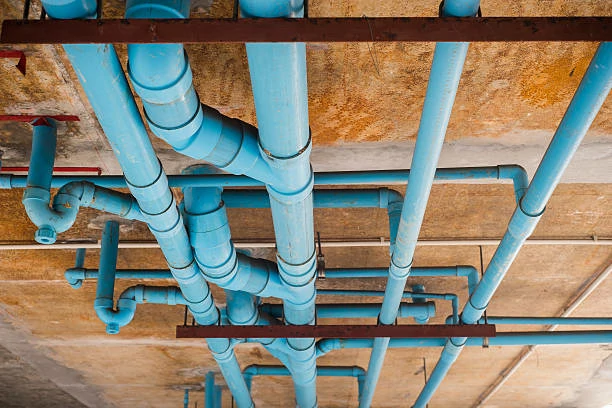
CPVC pipelines have become a preferred choice in modern plumbing systems due to their durability, corrosion resistance, and cost-effectiveness. These pipelines provide reliable performance in residential, commercial, and industrial applications. By using CPVC, plumbing systems achieve efficient water flow, reduced maintenance needs, and longer service life. CPVC pipelines are lightweight, easy to install, and resistant to a wide range of chemicals and temperatures, making them suitable for hot and cold water supply. This article explores the definition and features of CPVC pipelines, common uses, buying guide, installation tips, comparisons with other materials, and frequently asked questions.
Frequently Asked Questions (FAQ)
1. What is a CPVC pipeline?
A CPVC pipeline is a piping system made from chlorinated polyvinyl chloride. It is designed to handle both hot and cold water efficiently.
2. How is CPVC different from PVC?
CPVC is treated with chlorine, which increases its heat resistance and strength compared to regular PVC. This makes it suitable for hot water applications.
3. Can CPVC pipelines handle high temperatures?
Yes, CPVC pipelines can safely carry water up to 90°C, making them ideal for domestic hot water and industrial heating systems.
4. Are CPVC pipelines safe for drinking water?
Yes, certified CPVC pipelines are safe for potable water and comply with standards such as NSF and ANSI.
5. How long does a CPVC pipeline last?
With proper installation and maintenance, CPVC pipelines can last more than 25 years, providing reliable service over decades.
Definition and Key Features of CPVC Pipelines
CPVC pipelines are made from chlorinated polyvinyl chloride, a thermoplastic material known for strength, chemical resistance, and durability. The additional chlorine content enhances the pipe’s thermal stability, making it suitable for hot water applications.
Key features of CPVC pipelines include:
- Durability: CPVC resists corrosion, scaling, and deposits, maintaining smooth flow over time.
- Heat resistance: CPVC can handle higher temperatures than standard PVC without warping or softening.
- Lightweight design: Easy to transport, handle, and install compared to metal pipes.
- Chemical resistance: CPVC tolerates a wide range of chemicals used in residential and industrial systems.
- Low maintenance: Resistant to rust and corrosion, reducing repair and replacement costs.
These characteristics make CPVC pipelines a reliable solution for modern plumbing systems where long-term performance is critical.
Common Applications and Industries
CPVC pipelines are widely used in various industries because of their durability and versatility.
- Residential plumbing: They are commonly used for hot and cold water supply in homes, apartments, and housing complexes.
- Commercial buildings: Offices, hotels, and hospitals use CPVC pipelines for water distribution and HVAC systems.
- Industrial facilities: Factories and processing plants rely on CPVC for chemical-resistant pipelines and high-temperature water lines.
- Fire protection systems: CPVC pipelines are approved for sprinkler systems in buildings due to their reliability under heat and pressure.
- Food and beverage industry: CPVC is used in non-corrosive fluid transfer lines, where hygiene and chemical resistance are essential.
The wide range of applications demonstrates CPVC pipelines’ ability to meet both residential and industrial needs effectively.
Buying Guide: What to Consider
Choosing the right CPVC pipeline requires careful evaluation of several factors to ensure system performance.
- Material quality: High-grade CPVC ensures heat resistance, pressure endurance, and long-term durability.
- Pipe size and thickness: Correct diameter and schedule rating (such as Schedule 40 or 80) are essential for proper flow and pressure management.
- Temperature rating: Ensure the pipe can handle the intended water temperature, especially for hot water systems.
- Connection type: CPVC pipelines are available with solvent-welded, threaded, or flanged connections. Choose the type that best fits the system design.
- Certifications: Look for NSF, ANSI, or ISO-certified pipes to guarantee safety for potable water.
- Color coding: CPVC pipes are usually off-white, cream, or light gray. Some manufacturers use color coding to indicate hot or cold water lines.
Evaluating these factors helps ensure the CPVC pipeline will perform reliably under intended operating conditions.
Installation Tips and Safety Considerations
Proper installation is crucial for maximizing the lifespan and efficiency of CPVC pipelines.
- Measure and cut accurately: Use appropriate cutting tools to achieve clean, square pipe ends.
- Clean pipe ends: Remove burrs and debris before applying solvent cement or fittings.
- Use the correct solvent cement: Follow manufacturer recommendations for CPVC adhesive to ensure strong, leak-free joints.
- Avoid excessive force: Over-tightening threaded fittings can crack CPVC pipes and compromise performance.
- Position correctly: Install pipes to allow easy access for maintenance and prevent unnecessary stress on the system.
- Support pipes adequately: Use hangers or clamps at regular intervals to prevent sagging, especially in horizontal runs.
- Pressure test: After installation, run water at normal operating pressure to check for leaks and proper flow.
Following these installation tips ensures long-lasting, reliable performance of CPVC pipelines in any plumbing system.
CPVC Pipelines vs Other Materials
Selecting the right piping material affects durability, maintenance, and overall cost. The table below compares CPVC pipelines with other common piping materials.
| Feature | CPVC Pipelines | PVC Pipelines | Copper Pipes | PEX Pipes |
|---|---|---|---|---|
| Corrosion resistance | Excellent, resistant to chemicals | High, but lower heat tolerance | Very high, resists rust | Good, flexible but sensitive to UV |
| Temperature range | Up to 90°C | Up to 60°C | Very high, suitable for hot water | Up to 60°C |
| Weight | Lightweight | Lightweight | Heavy | Very lightweight |
| Cost | Moderate | Low | High | Medium |
| Ease of installation | Easy, solvent-weld or threaded | Very easy | Moderate, requires soldering | Very easy, push-fit systems |
| Common applications | Hot/cold water, industrial lines | Cold water, irrigation | Residential & commercial hot water | Residential plumbing & radiant heating |
This comparison shows that CPVC pipelines offer a balance of heat resistance, chemical durability, and cost-effectiveness, making them ideal for modern plumbing systems. Copper may be superior in heat tolerance, but CPVC provides easier installation and lower maintenance. PVC is more affordable but less heat-resistant, while PEX is flexible but limited in chemical and temperature tolerance.
Conclusion
CPVC pipelines provide a durable, cost-effective, and versatile solution for modern plumbing systems. Their heat resistance, chemical durability, and corrosion-free design make them suitable for residential, commercial, and industrial applications. By selecting high-quality, certified pipes and following proper installation practices, plumbing systems can achieve long-lasting performance and minimal maintenance requirements.
With their combination of reliability, efficiency, and affordability, CPVC pipelines continue to be a preferred choice for engineers, contractors, and homeowners seeking a dependable solution for both hot and cold water systems. These pipelines offer a practical, long-term solution for modern plumbing challenges, ensuring safe and efficient water distribution for years to come.
IFAN’s international standards
IFAN products comply with a wide range of international standards to ensure safety, reliability, and high performance. These standards include ASTM 2846, DIN 8079/8080, ASTM F441/F441M SCH80, GB/T 18993 series, AS/NZS 1477, CSA B137.6, NSF/ANSI 14, and TIS 17-2532/1131-2535. By adhering to these recognized standards, IFAN guarantees that all pipelines and fittings meet global quality requirements and perform consistently under diverse conditions.
Contact
IFAN is a professional manufacturer with 30 years of experience, dedicated to producing high-quality plastic pipes, fittings, and valves. Our products include brass valves, PPR valves, as well as various pipes and fittings to meet different customer needs. Whether you need plumbing and drainage pipes or valve products. IFAN can provide a diverse range of high-quality, cost-effective products to support your projects. Below is our contact information.
We will reply your email or fax within 24 hours.
You can call us at any time if there is any question on our production.
Pls Mailto:[email protected]







Recent Comments