

Introduction
In the intricate world of plumbing and piping, mastering the art of pipe fitting is crucial. With the right tools in hand and a solid understanding of their operation, professionals can streamline processes, ensure precision, and enhance safety. This article delves into practical operation skills for professional pipe fitting tools, empowering you to tackle any project with confidence.
Choosing the Right Tools
The first step towards proficient pipe fitting is selecting the appropriate tools. From pipe cutters and wrenches to threading machines and flaring tools, each serves a unique purpose. For instance, a rotary pipe cutter ensures clean, burr-free cuts, while a pipe vise secures pipes during threading or flaring operations. Understanding your project’s requirements and having the right tools at your disposal is key.
Pipe Cutting Techniques
Precise cutting is fundamental to successful pipe fitting. When using a rotary pipe cutter, align the blade with the pipe’s mark, tighten the handle, and rotate the cutter around the pipe until it severs cleanly. Always wear safety glasses to protect your eyes from flying debris. For larger diameters, consider using a hacksaw or a power saw with a metal-cutting blade, ensuring steady, controlled movements for a straight cut.
Threading Pipes
Threading pipes allows for secure, leak-proof connections. Start by cleaning the pipe end and selecting the correct die head for the pipe’s size and thread type. Secure the pipe in a pipe vise, apply cutting oil to the die and pipe, and slowly turn the die head while applying steady pressure. Regularly check the thread quality and adjust the die’s position as needed. Remember, patience and precision are vital for quality threads.
Flaring Pipes
Flaring pipes is essential for creating a leak-tight seal in tubing systems. Utilize a flaring tool designed for your tubing material (e.g., copper, stainless steel). Clamp the tubing securely in the tool, align the flaring cone with the tubing end, and apply gradual, even pressure to form the flare. Inspect the flare for uniformity and smoothness, as imperfections can compromise the seal.
Assembling Fittings
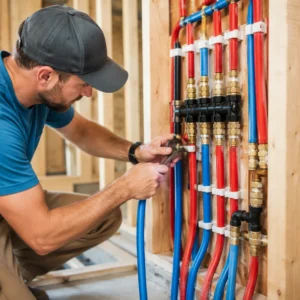
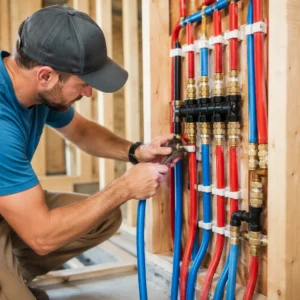
When assembling fittings, ensure all components are clean and free of debris. Apply a suitable sealant or thread tape to the threads, following manufacturer recommendations. Tighten fittings with the appropriate wrench, using a criss-cross pattern to avoid damaging the threads or causing leaks. Over-tightening can strip threads or damage fittings, so use a torque wrench if available to maintain proper tension.
Troubleshooting Common Issues
Encountering leaks or loose connections? First, check for damaged threads, improper sealing, or incorrect fitting sizes. Tighten loose connections, ensuring they’re not over-tightened. If necessary, disassemble and reassemble the fitting, paying close attention to the sealing surfaces. For persistent leaks, consider replacing worn-out parts or using a different sealing method.
Safety Precautions
Safety always comes first in pipe fitting. Wear protective gear, including safety glasses, gloves, and hearing protection. Ensure proper ventilation when working with chemicals or sealants. Avoid working in confined spaces without proper ventilation or without a buddy system. Always follow manufacturer instructions and safety guidelines to minimize risks.
Continuous Learning and Improvement
Pipe fitting is a skill that evolves with experience. Stay up-to-date with industry trends, new tools, and best practices. Attend workshops, read trade publications, and share knowledge with fellow professionals. Continuous learning will help you refine your techniques, enhance efficiency, and ensure the highest quality workmanship.
By mastering these practical operation skills for professional pipe fitting tools, you’ll be well-equipped to tackle any piping project with confidence and precision. Remember, patience, attention to detail, and a commitment to safety are the cornerstones of successful pipe fitting.
Contact
IFAN is a professional manufacturer with 30 years of experience, dedicated to producing high-quality plastic pipes, fittings, and valves. Our products include brass valves, PPR valves, as well as various pipes and fittings to meet different customer needs. Whether you need plumbing and drainage pipes or valve products, IFAN can provide a diverse range of high-quality, cost-effective products to support your projects. Below is our contact information.
We will reply your email or fax within 24 hours.
You can call us at any time if there is any question on our production.
For more information,pls visit our webside https://pipefittingpro.com/
Pls Mailto: [email protected]
Whatsapp: + 86 19857948982







Recent Comments