
1. Introduction: The Versatile Workhorse of Modern Construction
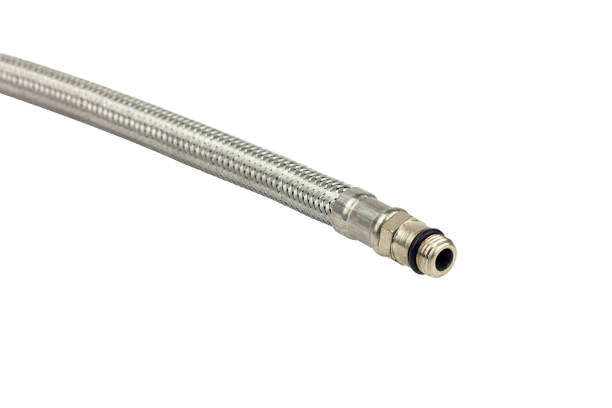
In the dynamic world of construction and industrial operations, nylon braided hoses have emerged as indispensable tools. These flexible conduits, reinforced with a woven nylon jacket, combine durability, flexibility, and pressure resistance to handle demanding fluid transfer tasks. From hydraulic systems in heavy machinery to water supply lines on construction sites, nylon braided hoses deliver reliable performance in harsh environments. Their unique construction—typically featuring a thermoplastic inner tube, nylon reinforcement layer, and protective outer cover—makes them ideal for conveying liquids, gases, and even granular materials. This article explores the core aspects of nylon braided hoses, providing valuable insights for professionals seeking robust solutions for their fluid handling needs.
2. Frequently Asked Questions (FAQ)
Q1: What makes nylon braided hoses suitable for high-pressure applications?
A: The nylon reinforcement layer provides exceptional tensile strength, allowing these hoses to withstand pressures up to 300 PSI or higher. The braided construction distributes stress evenly, preventing bulging or bursting even under sudden pressure spikes.
Q2: How do nylon braided hoses compare to steel-reinforced hoses?
A: While steel-reinforced hoses offer higher pressure ratings, nylon variants excel in flexibility and weight. They resist kinking, are easier to route in tight spaces, and weigh significantly less—critical advantages in construction equipment design.
Q3: What temperature ranges can these hoses handle?
A: Most nylon braided hoses operate effectively between -40°F to 200°F (-40°C to 93°C), though specialized versions extend this range. Always check manufacturer specifications for exact temperature tolerances.
Q4: Are these hoses chemical-resistant?
A: Yes, the thermoplastic inner tubes resist common construction chemicals like oils, solvents, and diluted acids. However, compatibility with specific substances should be verified with suppliers.
Q5: How often should nylon braided hoses be inspected?
A: Daily visual inspections for abrasions, cracks, or leaks are recommended. Replace hoses showing signs of wear immediately—never exceed the manufacturer’s recommended service life.
3. Basic Definition and Characteristics
Nylon braided hoses consist of three primary layers:
- Inner Tube: Made from PVC, polyurethane, or other thermoplastics, designed for fluid compatibility.
- Reinforcement Layer: High-tensile nylon fibers woven at 45-degree angles for optimal strength.
- Outer Cover: Abrasion-resistant PVC or polyurethane coating protecting against UV rays and environmental damage.
Key characteristics include:
- Flexibility: Maintains functionality even when bent sharply.
- Pressure Resistance: Handles burst pressures 3-4x higher than working pressures.
- Lightweight: Up to 50% lighter than rubber hoses.
- Weather Resistance: Withstands moisture, ozone, and temperature extremes.
- Easy Assembly: Compatible with standard fittings and quick-connect systems.
4. Common Uses and Industrial Applications
Construction Sector
- Concrete Pumping: Transfers slurry and grout in high-rise building projects.
- Hydraulic Systems: Powers excavators, cranes, and loaders with precision.
- Water Delivery: Supplies pressurized water for dust control and concrete curing.
- Pneumatic Tools: Connects air compressors to jackhammers and nail guns.
Manufacturing & Processing
- Chemical Transfer: Safely conveys solvents, acids, and alkalis in factories.
- Food Processing: FDA-approved versions transport edible oils and beverages.
- Automation Systems: Routes hydraulic fluids in robotic assembly lines.
Automotive & Aerospace
- Fuel Lines: Resists ethanol blends in modern vehicle engines.
- Brake Systems: Delivers consistent pressure in racing car brakes.
- Aircraft Hydraulics: Withstands extreme vibration and temperature swings.
Agriculture
- Irrigation: Distributes water and fertilizers in precision farming.
- Spray Equipment: Handles pesticides and herbicides without degradation.
5. Conclusion: The Future of Fluid Handling
Nylon braided hoses represent a perfect synergy of strength and adaptability. Their ability to perform reliably in construction’s punishing environments—while offering easy installation and maintenance—explains their widespread adoption across industries. As material science advances, we’re seeing innovations like anti-static versions for explosive environments and bio-based nylons for sustainable applications. For construction professionals, selecting the right hose involves balancing pressure requirements, chemical compatibility, and environmental factors. Regular inspection and adherence to replacement schedules remain crucial for safety. With proper care, these hoses deliver long-term value, proving that sometimes the most flexible solution is also the strongest. Whether powering a jackhammer or pumping concrete to the 50th floor, nylon braided hoses continue to be the unsung heroes of modern infrastructure development.
Contact
IFAN is a professional manufacturer with 30 years of experience, dedicated to producing high-quality plastic pipes, fittings, and valves. Our products include brass valves, PPR valves, as well as various pipes and fittings to meet different customer needs. Whether you need plumbing and drainage pipes or valve products. IFAN can provide a diverse range of high-quality, cost-effective products to support your projects. Below is our contact information.
We will reply your email or fax within 24 hours.
You can call us at any time if there is any question on our production.
Pls Mailto:[email protected]



Recent Comments