
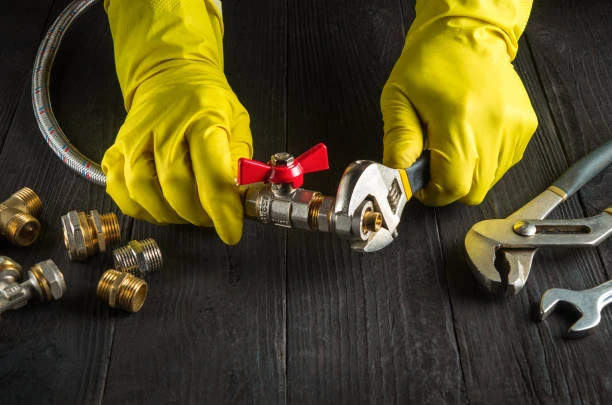
When planning an industrial, mechanical, or construction project, fluid and gas transfer often becomes a critical consideration. Choosing the right hose system can greatly influence the safety, performance, and longevity of your project. Among the many available solutions, nylon braided hoses offer a reliable, flexible, and cost-effective choice. Their strength, adaptability, and wide range of compatible applications make them an essential component in numerous project types—from automotive repairs to complex chemical systems.
This article introduces you to the world of nylon braided hoses from a project-oriented perspective. It explains their structure and properties, answers the most common questions, and explores where and how they are best used. Whether you’re leading a technical installation or managing an equipment build, understanding how nylon braided hoses fit into your plan will help ensure success from start to finish.
Frequently Asked Questions (FAQ)
1. Why should I choose a nylon braided hose for my project instead of a standard rubber hose?
Nylon braided hoses combine the flexibility of rubber with the strength of a braided nylon cover. This combination offers higher pressure tolerance, increased abrasion resistance, and a longer service life, making it better suited for demanding or high-movement project environments.
2. Are nylon braided hoses suitable for outdoor or mobile projects?
Yes, nylon braided hoses work well in outdoor projects due to their weather resistance and lightweight design. Many hoses feature UV-resistant coatings, which allow them to function effectively even when exposed to sunlight or varying climates.
3. Can I use nylon braided hoses in food-related or clean water projects?
If the hose is manufactured with food-grade materials, including a non-toxic inner tube, it can be safely used in food, beverage, or potable water applications. Always check the manufacturer’s certification and standards to ensure compliance.
4. Do nylon braided hoses require special tools for installation in a project?
Installation usually requires basic tools such as hose cutters, clamps, and possibly crimping tools for attached fittings. Many hoses are also available with pre-assembled ends to simplify project use.
5. How do I determine the right nylon braided hose size and type for my specific project?
You should consider the hose’s inner diameter, pressure rating, temperature range, fluid compatibility, and required length. Reviewing your project’s operating conditions will help match the correct hose type to your specific task.
Basic Definition and Key Features of Nylon Braided Hose
A nylon braided hose is a flexible, reinforced tube used to transport liquids or gases in a wide range of applications. The core tube is usually made from rubber, thermoplastic, or fluoropolymer, while the braided layer is composed of woven nylon yarns. This structure balances strength with flexibility, allowing the hose to bend without collapsing and to endure significant pressure without bursting.
Nylon braided hoses offer multiple project-friendly features that distinguish them from other hose types:
- High Strength-to-Weight Ratio: Despite their lightness, these hoses resist tearing and compression under pressure, which makes them excellent for mobile or handheld systems.
- Flexibility in Tight Spaces: They can snake through machinery, walls, or equipment without the need for sharp bends or couplers.
- Wide Temperature Range: Many nylon braided hoses operate safely between -40°C and 120°C, making them ideal for both hot and cold fluids.
- Resistance to Abrasion and Wear: The nylon braid protects the hose from surface damage, which often extends its life, especially in moving or contact-heavy environments.
- Smooth Internal Flow: The inner lining ensures minimal turbulence or resistance, which is crucial in high-efficiency systems.
These features make nylon braided hoses highly versatile, allowing engineers, contractors, and maintenance professionals to include them confidently in project planning.
Common Uses of Nylon Braided Hoses in Project-Based Applications
Projects across numerous industries rely on nylon braided hoses due to their performance, customization options, and easy handling. Below are some of the most common project types where they are applied.
1. Automotive Projects
In car maintenance, upgrades, or custom vehicle builds, nylon braided hoses are commonly used for:
- Fuel line systems
- Brake booster vacuum hoses
- Oil cooler lines
- Turbo boost and intercooler connections
These hoses improve safety by resisting pressure surges and vibrations while maintaining consistent flow. Their sleek look also appeals to vehicle customizers aiming for a clean engine bay appearance.
2. Construction and Equipment Assembly
Construction equipment often features hydraulic or pneumatic systems that require durable hoses. Nylon braided hoses help connect:
- Compressed air systems for tools
- Mobile power units
- Pressure washers and cement sprayers
- Water lines for dust control or cooling
Their ease of routing around corners and equipment components adds value to construction and assembly projects.
3. Home Improvement and Plumbing Projects
DIY home plumbing tasks and professional remodeling jobs benefit from nylon braided hoses in:
- Faucet and sink connections
- Washing machine inlet/outlet lines
- Shower system installations
- Garden irrigation or misting systems
These hoses provide a secure yet flexible option, especially when space behind walls or appliances is limited.
4. Chemical and Laboratory Projects
In laboratory setups or industrial pilot systems, nylon braided hoses are used for:
- Transferring solvents, cleaning fluids, or coolants
- Managing low-pressure gas lines
- Connecting movable lab equipment to permanent systems
Chemical resistance depends on the internal material (such as PTFE), so these projects require hose selection based on chemical compatibility.
5. Food Processing and Beverage Distribution Projects
Food-grade nylon braided hoses assist in:
- Transferring syrup, beer, or water in drink dispensers
- Connecting filters in reverse osmosis (RO) systems
- Handling food-safe oil or dairy during processing
These hoses must comply with regulations such as FDA, NSF, or EU standards for hygienic use.
Planning a Project with Nylon Braided Hoses: What to Consider
Before adding nylon braided hoses to a project, certain planning elements help ensure compatibility and performance.
1. Operating Conditions
Check your project’s operating temperature, pressure range, and media compatibility. For example, hot oil requires heat-resistant inner tubing, while corrosive chemicals may call for fluoropolymer-lined hoses.
2. Hose Routing and Length
Plan the hose route to avoid unnecessary bends or sharp angles. Use clamps or guides to secure the hose without crimping it. Ordering the correct length reduces waste and prevents strain on connections.
3. Fittings and Connections
Choose fittings that match the hose material and diameter. In high-pressure systems, crimped fittings provide better sealing and durability. For DIY or temporary setups, quick-connect or push-lock fittings may work well.
4. Certifications and Standards
Make sure the hose and accessories meet any required standards, such as ISO, SAE, or FDA, based on the project type. Certified hoses help ensure safety and regulatory compliance.
5. Inspection and Maintenance Planning
Even the best hoses can degrade over time. Design your system for easy inspection and replacement, especially in projects where regular fluid or gas flow is critical.
Why Nylon Braided Hoses Improve Project Efficiency
Incorporating nylon braided hoses into a project offers several productivity benefits:
- Faster Installation: Their lightness and flexibility reduce the time needed to run lines through equipment or structures.
- Fewer Failures: With resistance to vibration, pressure spikes, and movement, the system stays stable longer.
- Improved Flow: The smooth inner lining promotes unimpeded fluid or air movement, increasing system efficiency.
- Compact System Design: Hoses bend easily, so engineers can create tight layouts without using numerous fittings or elbows.
- Aesthetic Appeal: In consumer-facing systems, a nylon braided hose provides a professional, modern appearance.
Summary
Nylon braided hoses provide a strong, flexible, and efficient solution for a wide variety of project applications. Their adaptability, combined with high durability and ease of use, makes them an excellent fit in fields ranging from automotive and construction to food processing and laboratory work. Understanding their features and how to properly select and apply them during project planning can lead to more reliable, cleaner, and safer system designs.
Whether you’re managing a commercial installation or undertaking a DIY home project, choosing the right nylon braided hose is a decision that directly impacts performance and durability. With the information provided here, you can confidently integrate these hoses into your next project and achieve dependable results.
If you’d like versions of this article tailored to a specific industry or region, or help creating a product listing, technical sheet, or promotional copy based on nylon braided hoses, just let me know!
Contact
IFAN is a professional manufacturer with 30 years of experience, dedicated to producing high-quality plastic pipes, fittings, and valves. Our products include brass valves, PPR valves, as well as various pipes and fittings to meet different customer needs. Whether you need plumbing and drainage pipes or valve products. IFAN can provide a diverse range of high-quality, cost-effective products to support your projects. Below is our contact information.
We will reply your email or fax within 24 hours.
You can call us at any time if there is any question on our production.
Pls Mailto:[email protected]




Recent Comments