
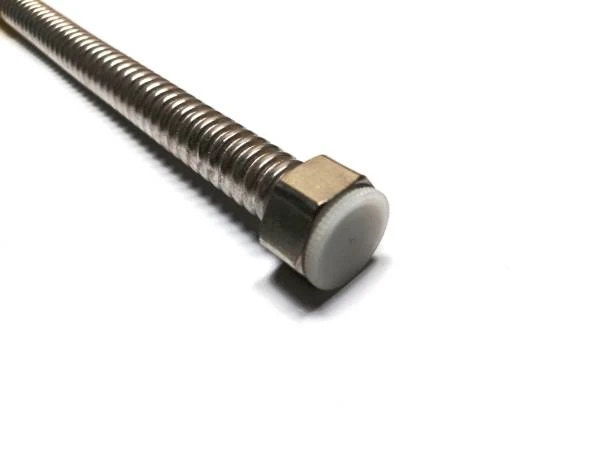
1. Introduction: The Backbone of Modern Fluid Handling Systems
In today’s globalized industrial landscape, nylon braided hoses have become indispensable components in fluid transfer systems. These hoses combine flexibility, durability, and pressure resistance, making them critical for applications ranging from automotive manufacturing to agricultural irrigation. For suppliers and distributors, understanding the nuances of nylon braided hose production, quality control, and global distribution is essential to meet growing market demands. This article explores the core aspects of nylon braided hose supply, offering insights into manufacturing standards, logistical considerations, and industry trends that shape this dynamic market.
2. Frequently Asked Questions (FAQ)
Q1: What are the key quality standards for nylon braided hoses?
A: Reputable manufacturers adhere to international standards such as SAE J844 for automotive applications and DIN 74324 for European markets. These standards ensure hoses meet specific pressure ratings, temperature tolerances, and chemical resistance requirements.
Q2: How do suppliers ensure consistent product quality?
A: Leading suppliers implement multi-stage quality control processes, including raw material testing, in-line inspection during production, and final pressure testing. Many also hold ISO 9001 certifications, demonstrating systematic quality management.
Q3: What is the typical lead time for bulk orders?
A: Lead times vary by manufacturer but generally range from 4-6 weeks for standard orders. Suppliers with automated production lines and strategic inventory management can often accommodate urgent requests within 2-3 weeks.
Q4: Can nylon braided hoses be customized for specific industries?
A: Yes, suppliers offer customization options including:
- Specialized fittings for medical or food-grade applications
- UV-resistant coatings for outdoor use
- Reinforced layers for extreme-pressure environments
- Color coding for industry-specific identification systems
Q5: How do suppliers handle global logistics and customs?
A: Established suppliers maintain partnerships with international freight forwarders and have expertise in handling documentation for cross-border shipments. Many offer door-to-door delivery services with real-time tracking capabilities.
3. Basic Definition and Supply-Side Characteristics
Nylon braided hoses consist of three primary layers:
- Inner Tube: Typically made from PVC, polyurethane, or rubber compounds selected for fluid compatibility.
- Reinforcement Layer: High-tensile nylon fibers woven at precise angles to optimize strength-to-weight ratios.
- Outer Cover: Abrasion-resistant PVC or polyurethane coating providing environmental protection.
Key supply-side attributes include:
- Batch Production Capacity: Modern facilities can produce 200,000+ units monthly.
- Material Sourcing: Strategic partnerships with polymer suppliers ensure consistent raw material quality.
- Custom Tooling: Ability to create specialized molds for unique fitting requirements.
- Compliance Documentation: Readily available MSDS sheets and certification packages for regulatory audits.
4. Global Supply Chain Dynamics
Production Hubs
- Asia-Pacific: Dominates global production with China accounting for 45% of output. Facilities here combine low labor costs with advanced manufacturing technologies.
- Europe: Specializes in high-precision hoses for medical and food industries, with Germany leading in technical innovation.
- North America: Focuses on heavy-duty hoses for automotive and aerospace sectors, with ISO-certified plants in Mexico offering cost-effective solutions.
Distribution Networks
- Regional Warehousing: Strategic stocking points in Rotterdam, Singapore, and Los Angeles enable 48-hour delivery to major industrial centers.
- E-Commerce Integration: Many suppliers now offer B2B platforms with real-time inventory checks and automated reordering systems.
- Sustainability Initiatives: Leading companies use recycled nylon materials and implement carbon-neutral shipping programs.
Market Trends Impacting Supply
- Automotive Electrification: Increased demand for lightweight hoses compatible with electric vehicle cooling systems.
- Medical Device Regulations: Stricter FDA/EU MDR requirements driving adoption of bio-compatible materials.
- Industry 4.0 Adoption: Smart factories using IoT sensors for predictive maintenance of production lines.
5. Conclusion: The Future of Nylon Braided Hose Supply
The nylon braided hose market continues to evolve with technological advancements and shifting industry requirements. Suppliers who invest in automated manufacturing, maintain rigorous quality control, and build agile logistics networks will dominate this competitive landscape. For buyers, partnering with suppliers that offer both standard products and custom solutions ensures access to the right hoses for any application. As industries demand more specialized fluid handling solutions, the ability to deliver precision-engineered products quickly and reliably will separate market leaders from followers. Whether supplying hydraulic systems for construction equipment or sterile tubing for pharmaceutical plants, nylon braided hoses remain essential components in the global industrial ecosystem.
Contact
IFAN is a professional manufacturer with 30 years of experience, dedicated to producing high-quality plastic pipes, fittings, and valves. Our products include brass valves, PPR valves, as well as various pipes and fittings to meet different customer needs. Whether you need plumbing and drainage pipes or valve products. IFAN can provide a diverse range of high-quality, cost-effective products to support your projects. Below is our contact information.
We will reply your email or fax within 24 hours.
You can call us at any time if there is any question on our production.
Pls Mailto:[email protected]






Recent Comments