
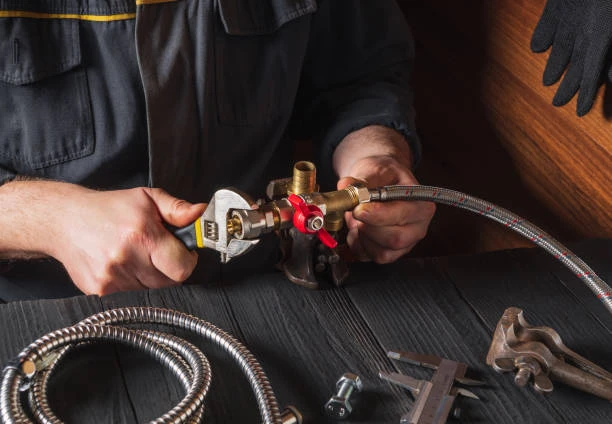
The nylon braided hose has emerged as a reliable and technologically advanced solution in fluid transport systems. Known for its strength, flexibility, and resistance to pressure, this hose has found a place in various industrial and commercial applications. Thanks to ongoing innovation in polymer materials and manufacturing processes, nylon braided hoses continue to evolve, meeting the increasing technical demands of modern industries. In this article, we’ll explore the essential characteristics, technical advantages, and key applications of nylon braided hoses, making it easier to understand why they are such a critical component in many systems.
Frequently Asked Questions (FAQ)
1. What makes nylon braided hoses technically superior to other hoses?
Nylon braided hoses combine the strength of woven nylon fibers with the flexibility of inner tubing. This gives them enhanced burst resistance, durability under pressure, and longevity in tough conditions.
2. Are these hoses compatible with chemicals and fuels?
Yes, many nylon braided hoses offer high resistance to a variety of chemicals, fuels, oils, and solvents, depending on the inner tube material (e.g., rubber, PTFE, PVC).
3. What temperature ranges can a nylon braided hose handle?
Depending on the construction, most nylon braided hoses can operate effectively in temperatures ranging from -40°C to +100°C or higher. Some high-grade versions can handle extreme conditions.
4. Can nylon braided hoses be used in hydraulic systems?
Yes. Certain reinforced nylon braided hoses are specifically engineered for use in low- to medium-pressure hydraulic systems and pneumatic lines.
5. How is a nylon braided hose installed in technical systems?
Installation usually involves precise cutting, clamping with appropriate fittings, and secure connection to system ports. It’s crucial to follow technical specifications to avoid leaks and ensure performance.
Basic Definition and Technical Features
What Is a Nylon Braided Hose?
A nylon braided hose is a flexible tube constructed with an inner lining—often made from rubber, PVC, or PTFE—and an external reinforcement layer made from braided nylon fibers. This outer layer provides mechanical protection and boosts pressure resistance without significantly reducing flexibility.
Unlike basic rubber or plastic tubing, the nylon braid reinforces the hose’s structural integrity. It prevents kinking and stretching while also reducing vibration. The result is a hose that performs consistently under demanding mechanical stress.
Technical Features That Matter
Several technical features distinguish nylon braided hoses from their counterparts:
- Pressure Resistance: The nylon braid significantly increases the working and burst pressure limits. Some hoses can withstand pressures over 300 PSI.
- Flexibility: Despite the added strength, nylon braided hoses maintain excellent bend radius properties.
- Abrasion Resistance: The braided outer layer protects the hose from external wear, especially in high-friction or rough-surface environments.
- Thermal Stability: The hose material resists temperature fluctuations, supporting use in hot engines, industrial machinery, or cold environments.
- Chemical Compatibility: Nylon and compatible inner layers can resist exposure to oils, fuels, acids, and alkaline solutions.
- Low Permeability: High-quality construction minimizes fluid or gas loss through the walls, preserving performance over time.
Manufacturers often offer variations tailored for specific technical applications—such as anti-static hoses, UV-resistant options, or high-temperature versions—expanding the product’s usability across a range of environments.
Common Applications and Industrial Use
Thanks to its reliable technical characteristics, the nylon braided hose serves numerous sectors. Below are some of the most important industries and application cases:
1. Automotive Industry
In modern vehicles, nylon braided hoses are commonly used for:
- Fuel lines
- Oil cooling systems
- Brake systems (low-pressure areas)
- Vacuum and emission controls
The durability of the nylon braid ensures resistance to vibrations and temperature changes that are common in automotive environments. Moreover, their aesthetic look (often in black, red, or transparent versions) appeals to aftermarket vehicle customization.
2. Industrial Machinery
Factories and manufacturing plants often depend on nylon braided hoses for:
- Pneumatic line connections
- Cooling water lines
- Low-pressure hydraulic systems
- Lubrication oil circuits
These hoses help reduce downtime since they resist cracking and wear even under high-frequency machine operation.
3. Chemical Processing
Chemical plants require hoses that handle aggressive fluids safely. Nylon braided hoses, especially when paired with PTFE liners, resist:
- Corrosive acids
- Solvents
- Petroleum derivatives
This chemical resistance makes them suitable for fluid transfer and vapor return lines, particularly where flexibility and routing in tight spaces are needed.
4. Construction Equipment
Heavy-duty tools and machines use nylon braided hoses to support:
- Hydraulic actuators
- Pneumatic hammering tools
- Concrete mixing and delivery lines
Their technical strength ensures they won’t fail under pressure, even with rough handling on construction sites.
5. Food and Beverage Systems
With FDA-grade liners, some nylon braided hoses serve food-grade applications:
- Beverage dispensing
- Brewing systems
- Water filtration
These hoses meet hygienic standards and withstand frequent cleaning without degradation.
6. Marine and Aerospace
Nylon braided hoses play a vital role in:
- Fuel and water transfer on boats and ships
- Low-pressure fluid lines in aircraft
- Cable protection and sensor line shielding
Their light weight, UV resistance, and strength make them suitable for mobile environments.
Technical Variations and Customization
Many manufacturers offer nylon braided hoses with options that fine-tune their performance for specific requirements. These include:
- Single or double braid: A second layer of braid increases burst pressure ratings.
- Clear vs. opaque hose: Transparency can help monitor flow or detect air bubbles in sensitive systems.
- Special coatings: Some hoses include UV coatings or heat-resistant treatments to handle sunlight or radiant heat.
Users can also select from a wide range of inner tube materials such as:
- Rubber (NBR, EPDM) for general industrial use
- PTFE for high chemical and temperature resistance
- PVC for economic fluid transport
Additionally, connection ends—like barbed, threaded, or quick-connect—allow easy adaptation into existing systems.
Summary
The nylon braided hose represents a perfect blend of strength, flexibility, and technological innovation. Engineered to meet the challenges of fluid handling in various industries, it provides robust resistance to pressure, abrasion, temperature, and chemicals. Whether in automotive systems, industrial plants, or marine environments, these hoses offer reliable performance with minimal maintenance.
As technology advances, nylon braided hoses continue to improve, with better materials, enhanced customizability, and more sustainable production methods. Choosing the right nylon braided hose depends on understanding your system’s specific requirements and matching them to the technical specifications of the product.
For engineers, buyers, and technicians looking for a hose that performs consistently under stress, the nylon braided hose remains a smart, future-ready solution.
Contact
IFAN is a professional manufacturer with 30 years of experience, dedicated to producing high-quality plastic pipes, fittings, and valves. Our products include brass valves, PPR valves, as well as various pipes and fittings to meet different customer needs. Whether you need plumbing and drainage pipes or valve products. IFAN can provide a diverse range of high-quality, cost-effective products to support your projects. Below is our contact information.
We will reply your email or fax within 24 hours.
You can call us at any time if there is any question on our production.
Pls Mailto:[email protected]









Recent Comments