
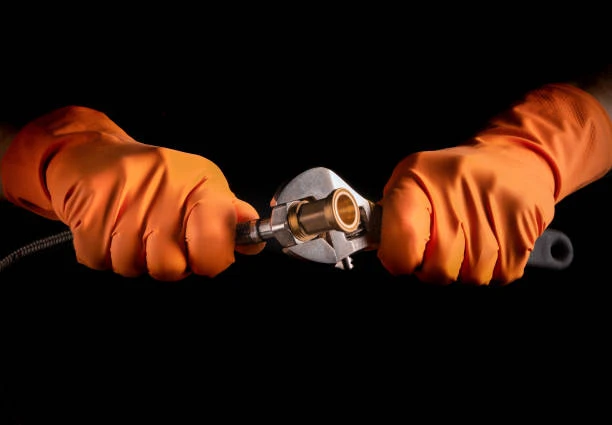
Nylon braided hoses play a vital role in modern industries, thanks to their durability, flexibility, and high-pressure resistance. But beyond their visible performance lies a detailed and precise manufacturing process that determines their quality and application range. From material selection to extrusion and braiding, each step of the nylon braided hose production process requires close attention to detail. In this article, we explore the essentials of nylon braided hose processing, explain key features, answer common questions, and highlight its industrial applications.
Frequently Asked Questions (FAQ)
1. What materials go into making a nylon braided hose?
Nylon braided hoses are typically made using synthetic rubber or thermoplastic as the inner tube and tightly-woven nylon fibers for the outer braid. Some versions may include additional layers for reinforcement, depending on the pressure requirements.
2. How is the nylon braiding applied during processing?
During manufacturing, the nylon threads are wrapped around the inner hose using specialized braiding machines. These machines weave the nylon in a crosshatch pattern, ensuring strength and flexibility while maintaining a lightweight structure.
3. Can nylon braided hoses handle high temperatures and pressure?
Yes, nylon braided hoses are engineered to withstand moderate to high pressure and temperatures, depending on the materials used. They typically operate well within ranges of -40°C to 120°C and can manage working pressures up to 300 PSI or more.
4. Are nylon braided hoses safe for chemical use?
Nylon braided hoses can be chemically resistant, especially when manufactured with chemical-resistant inner tubes like PTFE. However, it’s essential to check compatibility with the specific chemicals involved in your application.
5. What industries use nylon braided hoses most often?
These hoses are widely used in automotive, construction, chemical processing, agriculture, food-grade transport, and pneumatic systems due to their strength and adaptability.
Basic Definition and Key Features of Nylon Braided Hoses
A nylon braided hose is a flexible tubing system reinforced with a braided layer of nylon fibers. The core tube typically consists of rubber or thermoplastic material like PVC, TPU, or PTFE. This combination creates a hose that resists pressure, abrasion, kinks, and temperature changes.
One of the standout features of nylon braided hoses is their lightweight strength. Compared to metal-braided counterparts, nylon braiding reduces overall weight while maintaining flexibility and resilience. Moreover, nylon provides good resistance to wear and tear, making it ideal for dynamic environments where the hose must move or flex regularly.
Other significant features include:
- Pressure Resistance: Nylon braiding reinforces the structure, allowing the hose to handle significant internal pressure without bursting or deforming.
- Temperature Tolerance: Nylon braided hoses operate within a broad temperature range, suitable for both cold and hot fluid transfers.
- Flexibility and Bend Radius: These hoses can easily adapt to tight bends and complex routing paths without collapsing or kinking.
- Abrasion Resistance: The outer nylon layer shields the inner tube from mechanical damage and friction.
- Customization: Manufacturers can tailor nylon braided hoses in various diameters, colors, pressure ratings, and materials for specific industrial needs.
How Nylon Braided Hoses Are Manufactured
The production of a nylon braided hose involves several precise stages. Each phase contributes to the final performance of the hose and must follow strict quality standards.
1. Material Selection
The first step involves choosing the core tube material based on the target application.These yarns ensure excellent strength-to-weight ratio.
2. Tube Extrusion
Once materials are ready, the inner tube is produced through an extrusion process. Heated plastic or rubber material is forced through a die to create a continuous hollow tube. After extrusion, the tube is cooled, cured (if rubber-based), and cut to length if needed.
3. Braiding Process
Next, the braided reinforcement is applied. Braiding machines weave nylon threads in a crisscross pattern around the extruded tube. The braid angle and thread tension are adjusted depending on the required flexibility and pressure resistance. The result is a tightly woven mesh that hugs the core tube, enhancing strength without sacrificing bendability.
4. Outer Coating (Optional)
In some cases, the hose may receive an additional protective outer layer. This coating, often made from transparent or colored plastic, enhances UV resistance, aesthetics, or chemical protection. Not all nylon braided hoses require this step—it depends on their end use.
5. Curing and Cooling
If the inner tube or outer layer contains thermoset materials like rubber, the hose goes through a curing or vulcanization process. This step hardens and stabilizes the material. For thermoplastic hoses, rapid cooling and conditioning follow braiding to ensure dimensional stability.
6. Cutting and Fitting Assembly
The finished hose is then cut to the desired lengths. If necessary, fittings such as connectors, couplings, or adapters are crimped or inserted. These fittings must be leak-proof and compatible with the pressure and material of the hose.
7. Pressure Testing and Quality Control
Before packaging, the hose undergoes pressure and burst tests, dimensional checks, and visual inspection. Only hoses that meet strict safety standards are cleared for commercial use.
Common Applications and Industries Using Nylon Braided Hoses
Thanks to their versatility, nylon braided hoses are trusted in a wide range of industries:
Automotive
Their ability to handle pressure while staying lightweight makes them ideal for engine compartments and high-performance vehicles.
Industrial Machinery
Industrial equipment relies on these hoses for pneumatic tools, air compressors, hydraulic returns, and oil delivery. Their strength and abrasion resistance ensure longevity in harsh environments.
Chemical Processing
Chemical plants use specially formulated nylon braided hoses to handle fluid transfer involving acids, solvents, or corrosive agents. Chemical-resistant inner tubes combined with nylon braiding provide safe and efficient transport.
Food and Beverage
These hoses must resist taste contamination and be easy to clean.
Agriculture
Farm machinery and irrigation systems use nylon braided hoses for pesticide spraying, water distribution, and nutrient delivery. Their UV resistance and flexibility make them suitable for outdoor and mobile use.
Construction
In construction, these hoses serve in concrete spraying, paint applications, dust suppression systems, and more. The lightweight design allows easy handling on job sites with demanding layouts.
Summary
Nylon braided hoses stand out as reliable, high-performance components in various sectors, largely due to their careful and precise manufacturing process. From material selection and tube extrusion to nylon braiding and final quality testing, every step shapes the hose’s strength, flexibility, and safety.
Their adaptability to pressure, temperature, and mechanical demands makes them a preferred choice across automotive, chemical, construction, and agricultural industries.
As technology evolves, so do the standards of hose manufacturing. The nylon braided hose, however, continues to prove itself as a resilient and efficient solution across demanding environments.
If you need this article adapted into another language, a downloadable format, or for specific platforms like Amazon or Alibaba, feel free to ask!
Contact
IFAN is a professional manufacturer with 30 years of experience, dedicated to producing high-quality plastic pipes, fittings, and valves. Our products include brass valves, PPR valves, as well as various pipes and fittings to meet different customer needs. Whether you need plumbing and drainage pipes or valve products. IFAN can provide a diverse range of high-quality, cost-effective products to support your projects. Below is our contact information.
We will reply your email or fax within 24 hours.
You can call us at any time if there is any question on our production.
Pls Mailto:[email protected]






Recent Comments