
As industries strive toward greener practices, even small components like hoses are being reexamined for their environmental impact. Among these, the nylon braided hose stands out not only for its mechanical performance but also for its role in reducing environmental strain. This article provides a comprehensive look into how nylon braided hoses contribute to sustainability, explores their key features, common uses, and addresses frequent questions around their eco-friendliness. Whether you’re a buyer, engineer, or environmental manager, understanding this product’s environmental profile can support better decision-making.
Frequently Asked Questions (FAQ)
1. Are nylon braided hoses environmentally friendly?
Yes, nylon braided hoses are considered more environmentally responsible than traditional rubber or PVC hoses. They are durable, recyclable, and lightweight, reducing transportation emissions and waste.
2. Can these hoses be recycled?
While nylon can be recycled, the braided construction combining different materials may limit full recyclability. However, specialized facilities can handle composite recycling, making partial recovery possible.
3. How long do nylon braided hoses last?
Thanks to their high resistance to wear, corrosion, and UV, these hoses can last for several years, significantly reducing the need for replacements and lowering overall material consumption.
4. What makes nylon more sustainable than rubber?
Nylon requires fewer resources in production, weighs less, and tends to be more durable, which means fewer replacements over time. This durability translates into a lower environmental impact throughout the hose’s lifecycle.
5. In which industries are eco-conscious nylon braided hoses preferred?
Industries such as agriculture, automotive, and food processing often choose nylon braided hoses due to their combination of strength, chemical resistance, and lower carbon footprint.
Definition and Key Features of Nylon Braided Hose
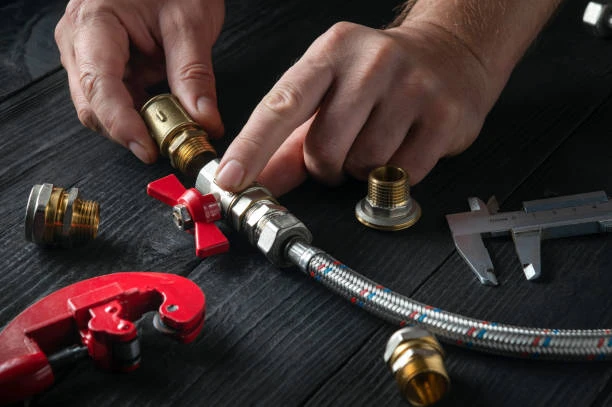
A nylon braided hose is a flexible tubing product reinforced with a nylon braid, which increases its strength and resistance to pressure. These hoses are made using a core inner tube (typically made of rubber or thermoplastic), over which a nylon braid is tightly woven.
Some of the most notable characteristics include:
- High flexibility: Allows easy installation and routing without kinks or deformation.
- Strength under pressure: The nylon braid ensures the hose can handle high pressure, making it suitable for hydraulic, pneumatic, and industrial use.
- Chemical and UV resistance: Nylon resists various chemicals and environmental conditions, extending the product’s life.
- Lightweight construction: Easier to handle and transport, contributing to reduced fuel consumption in logistics.
- Reduced material fatigue: Durable under repeated bending and vibration, ideal for mobile machinery and dynamic systems.
These attributes contribute not just to performance, but also to the environmental profile of the hose. Longer life and fewer replacements mean less material waste and lower energy demand over time.
Common Applications and Industry Use
Nylon braided hoses are incredibly versatile and see use in a wide range of industries. Their physical strength and resistance to degradation make them a preferred option where sustainability meets technical need.
1. Automotive Industry
Used in fuel systems, brake lines, and hydraulic connections, nylon braided hoses offer a lighter alternative to metal tubing, thus improving fuel efficiency. Their durability also reduces replacement rates and waste.
2. Agriculture and Irrigation
In farming, these hoses are applied in pesticide delivery, irrigation systems, and water management. Their resistance to UV rays and chemicals minimizes environmental leakage and ensures safe, long-term use in the field.
3. Industrial Manufacturing
Factories use nylon braided hoses for air compressors, pneumatic tools, and cooling systems. Their reusability, longevity, and low maintenance make them an environmentally safer choice.
4. Food and Beverage Processing
These hoses can be manufactured with food-grade inner linings, making them suitable for delivering beverages and other consumable liquids. Their ease of cleaning and resistance to bacterial buildup supports both hygiene and environmental standards.
5. Home and Garden
Lightweight and durable, these hoses serve in gardening, pressure washing, and plumbing applications. Many homeowners now prefer them over traditional rubber hoses due to their longer life and reduced environmental footprint.
The Environmental Edge of Nylon Braided Hoses
As sustainability becomes a global priority, every component in a system must play its part—including hoses. Nylon braided hoses present several eco-friendly advantages:
- Reduced Material Waste: Due to their long service life, they reduce the frequency of replacements, leading to fewer hoses ending up in landfills.
- Lower Production Emissions: Nylon, compared to metals or heavy rubber, has a lower energy requirement during manufacturing.
- Logistics Efficiency: Being lightweight, they decrease transport-related emissions during shipping and distribution.
- Recyclability Potential: Although not all parts are easily recyclable, the nylon component can be processed separately, especially if recovered properly.
- Leak Prevention: Their high-pressure resistance minimizes risk of leaks, which is especially crucial in chemical and fuel transfer, where leaks could cause serious environmental harm.
Additionally, many manufacturers are now turning to bio-based nylons and green production methods, further enhancing the environmental benefits of these hoses.
Summary
The nylon braided hose proves that industrial performance and environmental responsibility can go hand in hand. With its impressive durability, lightweight structure, and resistance to harsh conditions, it meets the high demands of modern industries while minimizing ecological damage. Although not entirely biodegradable, its recyclability and long service life significantly reduce its environmental impact compared to alternatives.
As industries and consumers alike seek more sustainable solutions, choosing components like nylon braided hoses can make a tangible difference. Their versatile applications across sectors—from automotive to agriculture—ensure they remain a smart, eco-conscious choice for businesses worldwide.
Contact
IFAN is a professional manufacturer with 30 years of experience, dedicated to producing high-quality plastic pipes, fittings, and valves. Our products include brass valves, PPR valves, as well as various pipes and fittings to meet different customer needs. Whether you need plumbing and drainage pipes or valve products. IFAN can provide a diverse range of high-quality, cost-effective products to support your projects. Below is our contact information.
We will reply your email or fax within 24 hours.
You can call us at any time if there is any question on our production.
Pls Mailto:[email protected]

Recent Comments