
1. Summary of the Article
Reinforced braid hoses play an essential role across a wide range of industries, from plumbing and automotive to chemical processing and food production. In this article, we’ll explore what reinforced braid hoses are, how they work, their key benefits, common uses, and why they have become indispensable in both industrial and domestic settings. Whether you’re a buyer, installer, or engineer, this guide will help you understand their practical value and how to choose the right hose for your specific needs.
2. Frequently Asked Questions (FAQ)
Q1: What is a reinforced braid hose?
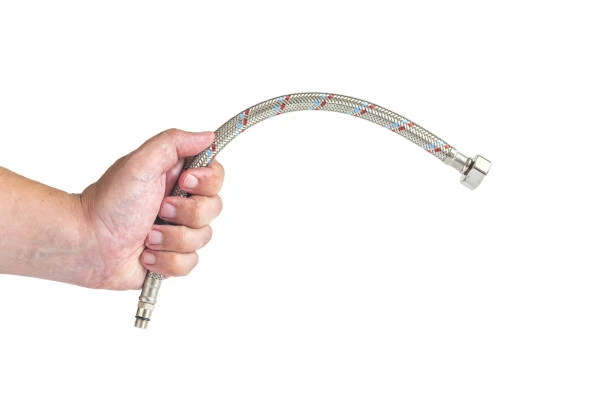
A reinforced braid hose is a flexible tube enhanced with a braided layer—often made of stainless steel, polyester, or nylon—to increase its pressure resistance and durability.
Q2: Why is the braided layer important?
The braided reinforcement prevents the hose from expanding under pressure, helps maintain shape, and protects against external abrasion.
Q3: Where are reinforced braid hoses commonly used?
They are widely used in plumbing, automotive fuel lines, hydraulic systems, air compressors, and food-grade fluid transport.
Q4: How do I choose the right type of braided hose?
You should consider the fluid type, temperature range, pressure rating, and environmental exposure when selecting a hose.
Q5: How long does a reinforced braid hose typically last?
With proper installation and usage, these hoses can last 5–10 years or more, depending on material and conditions.
3. Definition and Key Features of Reinforced Braid Hose
A reinforced braid hose is a flexible conduit designed to transport fluids or gases while withstanding internal pressure and environmental wear. The core of the hose—usually made from rubber, PVC, silicone, or PTFE—is wrapped with a tightly woven braid that enhances its strength and stability.
Some of the key features of reinforced braid hoses include:
- Pressure resistance: The braided layer absorbs and distributes internal pressure evenly.
- Flexibility: Despite their strength, these hoses remain flexible and easy to install in tight spaces.
- Temperature tolerance: Many braided hoses handle both hot and cold fluids without degrading.
- Chemical resistance: Depending on the core material, these hoses can transport aggressive chemicals safely.
- Durability: Braided construction protects the hose from external damage such as cuts or abrasions.
This combination of flexibility and strength makes them ideal for both low-pressure and high-pressure systems.
4. Common Uses and Industry Applications
Reinforced braid hoses are valued for their versatility, and their applications span numerous industries:
Plumbing and HVAC Systems
In residential and commercial plumbing, braided hoses are commonly used for water supply lines to sinks, toilets, dishwashers, and washing machines. They ensure a secure, leak-resistant connection and can withstand sudden pressure surges.
Automotive and Mechanical Engineering
These hoses are often used in fuel lines, brake systems, and coolant delivery because they can handle high temperatures and prevent bursting under pressure. They are also used in air compressors and turbocharger systems for their resilience and flexibility.
Food and Beverage Industry
Food-grade reinforced hoses, often made from silicone or PTFE with a braided polyester cover, are essential for the hygienic transfer of liquids. They are FDA-approved and can be sterilized easily.
Chemical and Pharmaceutical Processing
Reinforced braid hoses are employed in chemical plants and pharmaceutical labs to carry corrosive fluids. The chemical-resistant cores combined with braided exteriors provide a balance of safety and performance.
Industrial Manufacturing
Factories and workshops use these hoses in pneumatic and hydraulic systems, where reliable fluid or air transfer is critical for machine operations. Their ability to resist wear and pressure ensures minimal downtime.
These widespread uses clearly demonstrate their importance in both everyday and specialized applications.
5. Advantages of Using Reinforced Braid Hose
Opting for reinforced braid hoses provides several clear benefits:
- Enhanced Safety: The braided design minimizes the risk of bursting or leaks, especially under high pressure.
- Cost-Effectiveness: Their durability reduces the need for frequent replacements, saving time and money over the long term.
- Ease of Installation: Flexible construction allows for quick fitting even in confined or complex routing paths.
- Customization Options: Hoses can be tailored by length, diameter, braid material, and temperature rating to suit specific applications.
- Low Maintenance: With proper use, these hoses require minimal upkeep and can perform reliably over many years.
6. Factors to Consider Before Purchase
When choosing a reinforced braid hose, it’s important to evaluate several technical aspects:
- Working Pressure and Burst Pressure: Always select a hose with a working pressure rating well above your system’s operating pressure.
- Temperature Range: Ensure the hose can handle the minimum and maximum temperatures in your application.
- Material Compatibility: Confirm that the hose material is resistant to the fluids or gases it will carry.
- Bend Radius: A hose with a tighter bend radius will be easier to route in limited spaces without kinking.
- Fitting Type: Match hose ends with compatible fittings to ensure a leak-free and secure installation.
By keeping these factors in mind, you can avoid early failure and ensure optimal performance.
7. Maintenance and Safety Guidelines
Here are some simple yet effective tips:
- Inspect regularly for wear, bulges, cracks, or corrosion on the braid.
- Avoid over-bending the hose, which can lead to structural weakening over time.
- Secure connections properly to prevent leaks and mechanical stress at the fittings.
- Flush the hose before switching fluids to avoid cross-contamination.
- Store in a cool, dry area when not in use to avoid UV or chemical degradation.
Routine checks can help you identify early signs of wear and take preventive action.
8. Conclusion
Reinforced braid hoses are more than just conduits—they are essential tools in ensuring fluid and gas transfer systems operate efficiently, safely, and reliably. Their ability to handle pressure, resist damage, and maintain flexibility makes them ideal for countless industries, from everyday plumbing to high-end manufacturing. Whether you’re outfitting a household appliance or designing a chemical processing line, investing in the right braided hose can dramatically improve performance and safety.
Understanding the role and capabilities of reinforced braid hoses will help you make better decisions and ensure long-term success in your applications. As the demand for high-performance fluid systems grows, these hoses remain a proven and trusted solution across the board.
If you need help selecting the best reinforced braid hose for your system, consulting a professional supplier or manufacturer is always a smart move.
Contact
IFAN is a professional manufacturer with 30 years of experience, dedicated to producing high-quality plastic pipes, fittings, and valves. Our products include brass valves, PPR valves, as well as various pipes and fittings to meet different customer needs. Whether you need plumbing and drainage pipes or valve products. IFAN can provide a diverse range of high-quality, cost-effective products to support your projects. Below is our contact information.
We will reply your email or fax within 24 hours.
You can call us at any time if there is any question on our production.
Pls Mailto:[email protected]






Recent Comments