
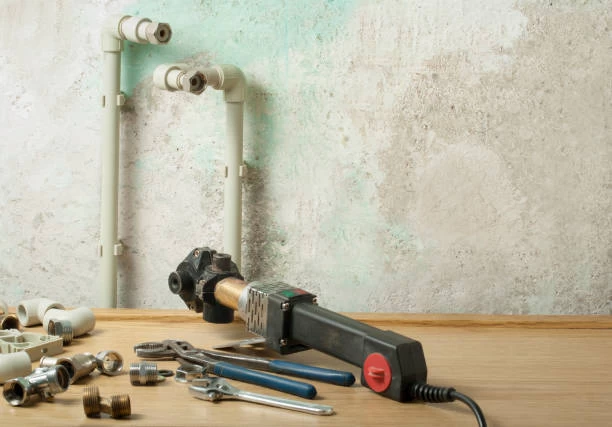
Selecting the right PVC pipe and fitting involves evaluating several factors, including price, quality, durability, and purpose of use. PVC (polyvinyl chloride) is a versatile and cost-effective material widely used in plumbing, irrigation, drainage, and various industrial applications. While price often plays a crucial role in decision-making, understanding the factors that influence PVC pipe and fitting prices helps consumers make informed choices without sacrificing quality or performance. Below are the key elements that should be considered when selecting PVC pipes and fittings, with particular attention to how they affect pricing.
1. Size and Dimensions of the PVC Pipe
One of the primary factors influencing the price of PVC pipes and fittings is the size and dimensions of the product. PVC pipes come in a wide range of diameters, wall thicknesses, and lengths, all of which affect the cost.
- Diameter: Larger diameter pipes require more material to manufacture, making them more expensive than smaller diameter pipes. A pipe with a diameter of 6 inches, for example, will cost significantly more than one with a 2-inch diameter.
- Wall Thickness (Schedule Rating): PVC pipes are classified by schedule ratings such as Schedule 40 or Schedule 80, which indicate the thickness of the pipe walls. Thicker pipes (like Schedule 80) are designed to withstand higher pressures, making them more expensive than thinner pipes like those in Schedule 40.
- Length: PVC pipes are typically sold in standard lengths, such as 10 or 20 feet. Longer pipes naturally cost more, but they can reduce the need for additional fittings and joints, which could balance out the cost in large projects.
Understanding the size requirements for your project ensures that you choose the right pipe dimensions, allowing you to budget effectively.
2. Type of PVC Pipe
The type of PVC pipe also plays a major role in determining the price. PVC pipes are available in different forms, each designed for specific purposes, and each type comes with its own price range. Some common types include:
- Standard PVC Pipes: These are used for general plumbing and drainage purposes. They are usually the most affordable option due to their wide availability and simple manufacturing process.
- CPVC (Chlorinated Polyvinyl Chloride): CPVC pipes are treated with chlorine to withstand higher temperatures, making them ideal for hot water systems. These pipes are more expensive than standard PVC due to the added chemical treatment and enhanced durability.
- uPVC (Unplasticized Polyvinyl Chloride): uPVC pipes are rigid and do not contain any plasticizers, making them suitable for high-pressure applications and outdoor use. Because of their strength and resistance to environmental factors, uPVC pipes tend to cost more than standard PVC.
Choosing the right type of PVC pipe depends on the specific needs of your project. For basic plumbing, standard PVC may be sufficient, while more specialized projects may require higher-quality, and thus more expensive, options like CPVC or uPVC.
3. Fitting Type and Complexity
PVC fittings come in various shapes and sizes to accommodate different pipe connections, including elbows, tees, couplings, reducers, and more. The type of fitting required for your project will influence the overall cost.
- Basic Fittings: Simple fittings like elbows and tees are typically more affordable. These are standard components used in most plumbing systems.
- Specialized Fittings: More complex fittings, such as reducers or multi-branch connectors, are more expensive because they require more precision in manufacturing. For example, fittings designed to connect pipes of different diameters or angles can significantly increase the cost.
- Jointing Systems: The method used to join PVC pipes and fittings also affects the price. Solvent welding, the most common method, is generally cost-effective, but fittings designed for threaded connections or push-fit systems can cost more due to the additional materials and labor involved in ensuring a secure connection.
Selecting the appropriate fittings not only ensures the proper functioning of the system but also affects the overall cost of the project.
4. Quality and Durability
The quality of the PVC pipes and fittings directly impacts their price. High-quality PVC materials that are designed to last longer and resist environmental stress tend to cost more, but they also offer better performance and durability over time.
- Certifications: Pipes and fittings with certifications like NSF (National Sanitation Foundation) or ASTM (American Society for Testing and Materials) standards guarantee that the products meet strict quality guidelines. Certified products may be priced higher but offer peace of mind in terms of safety, especially for potable water systems.
- UV Resistance: Some PVC pipes are treated with UV inhibitors to withstand prolonged exposure to sunlight. These pipes are often used in outdoor applications and will cost more than regular pipes due to their enhanced durability.
- Pressure Ratings: Pipes with higher pressure ratings are built to endure more stress and are made with higher-grade materials. This increases their price, but it also means they are more reliable in high-pressure systems like industrial plumbing or irrigation networks.
Investing in higher-quality PVC pipes and fittings reduces the likelihood of future repairs or replacements, making them cost-effective in the long run.
5. Brand and Manufacturer
The brand of PVC pipes and fittings also plays a role in pricing. Well-known manufacturers with a strong reputation for quality often charge a premium for their products. However, they typically offer better warranties and customer support, which can be a worthwhile investment.
- Popular Brands: Established brands like Charlotte Pipe, JM Eagle, or Genova offer high-quality PVC products but may come at a higher price point compared to lesser-known brands.
- Local vs. Imported: Locally manufactured PVC products may be more affordable than imported ones due to lower transportation costs and tariffs. However, imported brands might offer unique features or higher quality that justifies the higher price.
6. Quantity and Bulk Purchases
Quantity is another key factor that affects PVC pipe and fitting prices. Buying in bulk can lead to significant savings, as suppliers often offer discounts for large orders.
- Wholesale Pricing: Contractors or large-scale buyers can often negotiate lower prices when purchasing PVC pipes and fittings in large quantities. This is particularly useful for big projects like building complexes or extensive irrigation systems.
- Retail vs. Wholesale: Retail purchases for small-scale projects may come at a higher price per unit, but they offer convenience for DIY homeowners or small businesses. In contrast, wholesale purchases provide cost advantages for those requiring large volumes of material.
Carefully estimating the quantity needed for your project can help you take advantage of bulk discounts and reduce overall costs.
7. Location and Shipping Costs
Location and shipping costs can also affect the price of PVC pipes and fittings. Local availability plays a big role in pricing, especially for bulk orders that require shipping.
- Proximity to Supplier: If a supplier is located nearby, transportation costs will be lower, making the product more affordable. Conversely, products that need to be shipped over long distances may incur higher shipping fees, increasing the total cost.
- Online vs. Local Purchase: Online retailers often offer competitive prices for PVC pipes and fittings, but shipping costs can add up, especially for large or heavy orders.
Balancing shipping costs with product availability ensures that you get the best deal for your project without overspending on transportation.
Conclusion
When selecting PVC pipes and fittings, it’s important to consider a range of factors that go beyond price alone. Size, type, fitting complexity, quality, brand reputation, quantity, and location all contribute to the overall cost. Understanding how these elements influence pricing helps ensure that you make an informed decision, balancing cost-effectiveness with durability and performance for your specific project needs.
IFAN is a brand that offers products that meet a wide range of international standards, ensuring the quality and reliability of every product. Upvc product standard including:BS 3505, BS 4346, ASTM D1785 SCH40, ASTM D1785 SCH80, DIN, GB, DWV, ASTM D2665, ASTM D2241, ASTM D2665, ASTM D2729, ASTM F441/F441M, ISO 1452 series, EN ISO 1452, DIN 8061/8062, GB/T 10002 series, AS/NZS 1477, JIS K6741, CSA B137.3, NSF/ANSI 14, TIS 17-2532/1131-2535. IFAN is committed to providing high quality products and excellent service!
Conclusion
When selecting PVC pipes and fittings, it’s important to consider a range of factors that go beyond price alone. Size, type, fitting complexity, quality, brand reputation, quantity, and location all contribute to the overall cost. Understanding how these elements influence pricing helps ensure that you make an informed decision, balancing cost-effectiveness with durability and performance for your specific project needs.
Contact
IFAN is a professional manufacturer with 30 years of experience, dedicated to producing high-quality plastic pipes, fittings, and valves. Our products include brass valves, PPR valves, as well as various pipes and fittings to meet different customer needs. Whether you need plumbing and drainage pipes or valve products, IFAN can provide a diverse range of high-quality, cost-effective products to support your projects. Below is our contact information.
We will reply your email or fax within 24 hours.
You can call us at any time if there is any question on our production.
For more information,pls visit our webside https://pipefittingpro.com/
Pls Mailto: [email protected]
Whatsapp: + 86 19857948982



Recent Comments