
Introduction
Embarking on a project that requires precise fluid control? Understanding brass stop valve is crucial. This guide bridges the gap between theory and practice, offering insights into selection criteria and application strategies.
Fundamentals of Brass Stop Valves
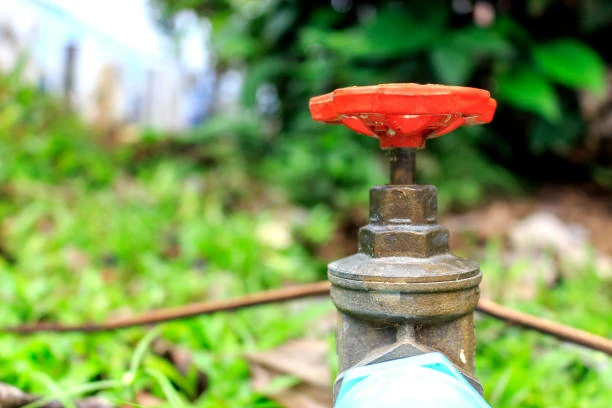
Brass stop valves, crafted from durable brass alloy, excel in regulating flow. Their design features a disc or ball that seals against the valve seat, halting fluid movement. Understanding these basics lays the foundation for informed selection.
Selection Criteria Overview
Choosing the right brass stop valve starts with considering application needs. Key factors include pressure rating, temperature range, media compatibility, and flow rate requirements. For instance, high-pressure applications demand valves rated accordingly.
Pressure & Temperature Compatibility
Each valve has a specified maximum working pressure and temperature. Exceeding these limits can compromise safety and valve integrity. Ensure your selection aligns with your system’s operating conditions. For hot water circulation, select a valve rated for elevated temperatures.
Media Compatibility
Brass, while resistant to many chemicals, may not be suitable for all fluids. Corrosive media require specialized linings or materials. Research valve materials and coatings to prevent leaks or damage. For example, PVC-lined brass valves are ideal for handling acidic solutions.
Flow Rate Considerations
Flow rate determines the size of valve needed. Larger valves allow higher flow rates but occupy more space. Use pipe diameter and desired flow rates to calculate the appropriate valve size. A mismatch can lead to reduced efficiency or premature wear.
Installation & Maintenance Tips
Proper installation ensures optimal performance. Follow manufacturer guidelines for positioning, mounting, and tightening. Regular maintenance, such as checking seals and lubricating moving parts, prolongs valve life. Remember, a clean valve operates more efficiently.
Application Examples
Brass stop valves find applications across industries. In plumbing, they control water flow in sinks and showers. In industrial settings, they regulate coolant flow in machinery or isolate process lines for maintenance. Each application demands tailored solutions.
Conclusion
From theoretical understanding to practical application, selecting and using brass stop valves requires careful consideration. By evaluating your system’s needs, selecting compatible valves, and maintaining them properly, you can ensure reliable fluid control. This guide serves as a starting point, empowering you to make informed decisions and optimize your fluid handling systems.
Contact
IFAN is a professional manufacturer with 30 years of experience, dedicated to producing high-quality plastic pipes, fittings, and valves. Our products include brass valves, PPR valves, as well as various pipes and fittings to meet different customer needs. Whether you need plumbing and drainage pipes or valve products, IFAN can provide a diverse range of high-quality, cost-effective products to support your projects. Below is our contact information.
We will reply your email or fax within 24 hours.
You can call us at any time if there is any question on our production.
For more information,pls visit our webside https://pipefittingpro.com/
Pls Mailto: [email protected]
Whatsapp: + 86 19857948982











Recent Comments