
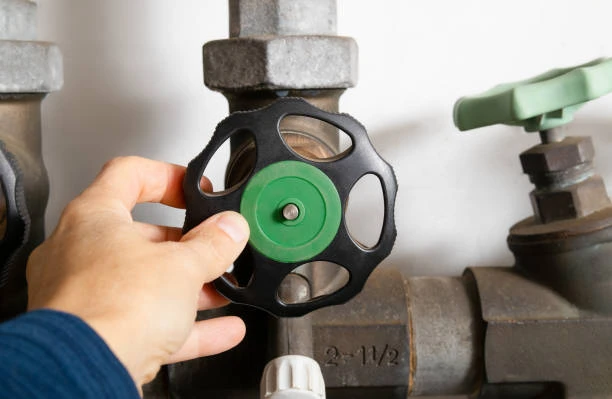
Brass ball valves are essential components in many plumbing projects. They control water flow efficiently and offer durability that meets the demands of residential and commercial plumbing systems. Whether you are installing new pipes or repairing existing ones, brass ball valves provide reliable performance. In this article, we will explore why brass ball valves are the top choice for plumbing projects and how to select and maintain them properly.
What Are Brass Ball Valves?
A brass ball valve is a valve that uses a spherical ball with a hole drilled through its center to regulate water flow. By turning the valve handle 90 degrees, you rotate the ball to either allow or block water passage. Brass, which is an alloy of copper and zinc, makes these valves strong, corrosion-resistant, and suitable for water applications.
Unlike other valve types, brass ball valves provide a simple yet effective way to control flow. Their quarter-turn mechanism allows fast opening and closing, which is ideal in emergency shut-offs or quick repairs.
Why Choose Brass Ball Valves?
There are many reasons why plumbers and homeowners prefer brass ball valves for plumbing tasks:
- Durability: Brass material withstands corrosion, pressure, and temperature changes without degrading. This makes the valve last longer, even in harsh water conditions.
- Reliability: These valves create a tight seal when closed, preventing leaks and water wastage.
- Ease of Use: The quarter-turn handle makes operating the valve straightforward. Even non-professionals can easily open or close the valve.
- Versatility: Brass ball valves fit a wide range of applications, including potable water, heating systems, irrigation, and more.
- Cost-Effectiveness: Although slightly more expensive than plastic valves, the longevity and reliability of brass valves make them a smart investment.
Because of these features, brass ball valves reduce maintenance costs and prevent plumbing failures.
Common Uses in Plumbing Projects
Brass ball valves are versatile and serve multiple purposes:
- Water Supply Lines: They control water flow to faucets, toilets, water heaters, and other appliances. Installing ball valves on these lines allows easy shut-off during repairs or replacements.
- Irrigation Systems: In gardens or farms, these valves help manage water distribution effectively, ensuring plants get the right amount of water.
- Heating Systems: Boilers, radiators, and water heaters often use brass ball valves to regulate temperature and flow safely.
- Emergency Shut-Offs: In case of leaks or pipe bursts, these valves provide a quick way to stop water flow, minimizing damage.
- Industrial Plumbing: Many factories use brass ball valves because they handle high pressure and offer reliable control.
Because of their reliability, brass ball valves are standard in modern plumbing installations.
How to Select the Right Brass Ball Valve
Choosing the correct brass ball valve for your plumbing project is crucial. Consider the following factors:
- Size: Ensure the valve matches your pipe diameter. Valves too large or too small can cause pressure issues or leaks.
- Connection Type: Common types include threaded, soldered, or compression fittings. Pick the one compatible with your pipes.
- Pressure Rating: Check the valve’s maximum pressure capacity to ensure it can handle your system’s demands.
- Lead-Free Certification: For potable water, use lead-free brass valves to comply with health regulations.
- Handle Type: Some valves come with lever handles, others with round knobs. Lever handles provide quicker operation.
Consult product specifications and professional advice to make an informed choice.
Installation Tips for Brass Ball Valves
Proper installation ensures optimal performance and avoids common problems. Follow these guidelines:
- Turn Off Water Supply: Before installation, shut off the main water line to prevent flooding.
- Prepare Pipe Ends: Clean and smooth pipe ends to avoid leaks.
- Use Plumber’s Tape: Wrap Teflon tape around threaded ends to ensure a tight seal.
- Avoid Overtightening: Tighten connections firmly but not excessively to protect threads.
- Check Valve Orientation: Install valves in the correct direction following manufacturer instructions.
- Test After Installation: Open and close the valve several times to confirm smooth operation and absence of leaks.
If unsure, hiring a professional plumber can save time and prevent costly mistakes.
Maintaining Brass Ball Valves
Maintenance is generally simple but important:
- Regular Inspection: Check valves periodically for signs of wear, corrosion, or leaks.
- Operate Periodically: Open and close valves occasionally to prevent stiffness or seizing.
- Lubricate if Necessary: Use suitable valve lubricants if the handle feels hard to turn.
- Replace When Needed: If a valve leaks or becomes damaged, replace it promptly to avoid bigger plumbing issues.
Good maintenance extends valve life and ensures your plumbing system remains reliable.
Conclusion
Brass ball valves are among the best options for plumbing projects because of their durability, reliability, and ease of use. They serve various purposes in water supply, heating, irrigation, and emergency shut-offs. Choosing the right valve and installing it correctly guarantees efficient water control and reduces the risk of leaks. Moreover, regular maintenance helps keep these valves functioning well for many years. For any plumbing task, investing in quality brass ball valves is a smart and practical decision.
IFAN Product International Standard
IFAN designs its piping and valve products to meet a wide range of international standards, ensuring global compatibility and trusted performance. The company strictly follows ISO 15875 and BS EN ISO 15875, which define the requirements for PEX pipes used in hot and cold water systems. IFAN also complies with GB/T 18992, the Chinese national standard, and DIN 16892, the German specification for plastic piping systems, to guarantee regional quality and reliability.
To meet North American requirements, IFAN products are certified under ASTM F877 and ASTM F2788, ensuring safe use in hot and cold water distribution. In the UK, IFAN adheres to the BS 7291 standard, which applies to polybutylene and polyethylene systems in residential and commercial buildings. Additionally, CSA B137 certification confirms IFAN’s compliance with Canadian plumbing standards.
By meeting these rigorous international benchmarks, IFAN delivers high-quality, dependable solutions trusted by professionals worldwide. This comprehensive compliance enhances product safety, boosts customer confidence, and supports IFAN’s strong presence in the global market.
Contact
IFAN is a professional manufacturer with 30 years of experience, dedicated to producing high-quality plastic pipes, fittings, and valves. Our products include brass valves, PPR valves, as well as various pipes and fittings to meet different customer needs. Whether you need plumbing and drainage pipes or valve products. IFAN can provide a diverse range of high-quality, cost-effective products to support your projects. Below is our contact information.
We will reply your email or fax within 24 hours.
You can call us at any time if there is any question on our production.
Pls Mailto:[email protected]







Recent Comments