
1. Introduction: Understanding the Market Relevance of Braided Rubber Hose
In today’s rapidly evolving industrial landscape, the need for durable, flexible, and efficient fluid transfer solutions continues to grow. Among the many options available, braided rubber hoses have emerged as a reliable choice across multiple industries. Their ability to handle varying pressures, temperatures, and harsh environments makes them a staple product in agriculture, automotive, construction, and manufacturing. As demand for fluid transfer systems expands, so does the global market for braided rubber hoses. This article explores the key aspects of this product, including its definition, features, applications, and market growth trends.
2. Frequently Asked Questions (FAQ)
1. What is a braided rubber hose used for?
Braided rubber hoses are commonly used for transferring liquids, gases, or air in systems that require flexibility and pressure resistance. They serve multiple industries including agriculture, automotive, and construction.
2. Why is the braided design important?
The braiding, usually made of stainless steel or synthetic fiber, reinforces the hose structure and enhances its ability to handle internal pressure while maintaining flexibility.
3. Are braided rubber hoses suitable for outdoor use?
Yes, their robust design and weather-resistant rubber materials allow them to perform reliably in outdoor conditions, making them ideal for irrigation, spraying, and construction.
4. How is the market for braided rubber hoses growing?
With the rise in infrastructure projects, automotive production, and agricultural modernization, the global demand for braided rubber hoses is steadily increasing.
5. Can braided rubber hoses be customized for specific industries?
Absolutely. Manufacturers often tailor hose dimensions, braiding materials, and rubber compositions to meet industry-specific requirements.
3. Basic Definition and Key Characteristics
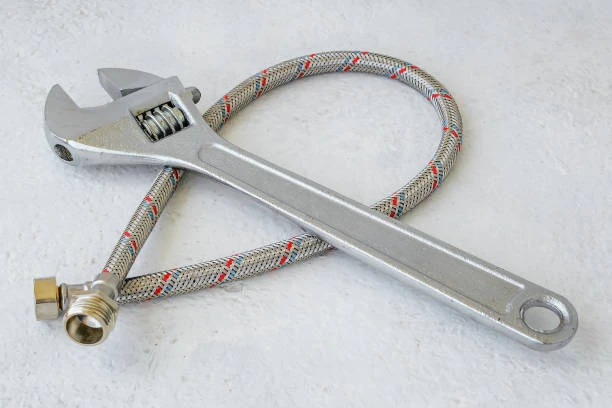
A braided rubber hose is a flexible tubing product reinforced with a braided layer—commonly made of stainless steel, polyester, or nylon—that enhances the hose’s strength and pressure tolerance. The inner rubber tube handles the transport of fluid, while the outer braid provides structural support and protection against abrasion and pressure surges.
Key characteristics include:
- Flexibility: Allows easy installation in tight or dynamic environments.
- Pressure Resistance: The braided layer helps contain high internal pressure without bursting.
- Durability: Resistant to heat, chemicals, oil, and weather exposure.
- Compatibility: Available in various sizes and materials to suit different types of fluids and gases.
- Long Service Life: Built to endure repeated use in demanding environments.
These features make braided rubber hoses particularly valuable in industries where reliability and longevity are essential.
4. Common Applications and Industries
Braided rubber hoses are found in a variety of settings, each with unique demands. Here’s how they serve different sectors:
Agriculture
In agriculture, braided rubber hoses play a key role in irrigation systems, pesticide spraying, and water transfer. Their flexibility and chemical resistance allow farmers to distribute fertilizers and water crops efficiently. Since they can endure UV exposure and rough handling, they are ideal for outdoor environments.
Automotive
These hoses are used in fuel lines, brake systems, and hydraulic applications. Their ability to withstand high temperatures and fluids like oil or brake fluid is critical to vehicle safety and performance.
Construction
Construction sites rely on braided rubber hoses for air compressor systems, concrete pumping, and water drainage. The rugged design helps them survive rough use and abrasive contact on job sites.
Manufacturing
In industrial manufacturing, hoses carry chemicals, gases, or coolants between equipment. Braided reinforcement ensures stable performance under consistent pressure and movement.
Home and Commercial Plumbing
Even in household and commercial plumbing, braided rubber hoses serve as connectors for water heaters, faucets, and washing machines. Their reliability and leak prevention make them a popular choice.
5. Global Market Trends and Demand Drivers
The market for braided rubber hoses is experiencing steady growth due to several converging factors:
Infrastructure Development
Governments around the world continue to invest in infrastructure projects, including road construction, energy plants, and water systems. These initiatives boost demand for construction equipment and fluid delivery systems, including hoses.
Agricultural Modernization
Modern irrigation systems, greenhouse operations, and precision farming techniques require high-quality hoses. As agriculture adopts more technology-driven practices, the need for reliable fluid handling solutions continues to grow.
Automotive Industry Expansion
With the rise of electric vehicles and stricter emission standards, manufacturers are developing advanced fluid systems, increasing the demand for braided hoses with specialized properties.
Industrial Automation
Manufacturing processes now rely on automated machinery that uses compressed air, coolant, or chemicals. Braided rubber hoses offer the strength and flexibility to support such systems.
Consumer Demand for Durable Plumbing
Homeowners and businesses seek long-lasting, leak-proof hoses for appliances and fixtures. Braided rubber hoses fulfill these expectations, especially in areas where water pressure is high or water quality fluctuates.
Technological Advancements
Improved rubber formulations and synthetic braiding materials have enhanced the performance of hoses, making them lighter, stronger, and more resistant to degradation.
6. Regional Market Insights
Asia-Pacific
The Asia-Pacific region is leading the market due to rapid industrialization, increased agricultural activity, and a booming automotive sector in countries like China, India, and Indonesia.
North America
In the United States and Canada, demand is driven by the construction sector and advanced irrigation systems in commercial farming.
Europe
Stringent environmental regulations and energy efficiency goals are prompting the use of high-performance hoses in manufacturing and automotive applications.
Latin America and Africa
These emerging markets are adopting modern farming practices and expanding infrastructure, presenting new opportunities for braided rubber hose manufacturers.
7. Choosing the Right Braided Rubber Hose for Market Needs
With so many varieties available, it’s important for buyers to select the right hose for their specific application. Key factors include:
- Operating Pressure and Temperature: Choose hoses that match the pressure and temperature of the intended application.
- Fluid Compatibility: Ensure the rubber and braiding materials can handle the type of fluid being transported.
- Hose Length and Diameter: Determine the appropriate size based on flow rate and installation space.
- Compliance and Certification: Check for products that meet relevant industry standards for safety and performance.
Distributors and suppliers should also be ready to provide technical support and customized solutions to meet the diverse needs of global markets.
8. Conclusion
The braided rubber hose market continues to expand as industries demand more efficient, durable, and adaptable fluid transfer solutions. From agricultural irrigation systems to complex automotive hydraulics, these hoses serve as critical connectors that support productivity and safety. With advances in materials, manufacturing, and market access, braided rubber hoses are set to remain a vital component in a wide range of sectors. Businesses that understand this product’s versatility and market potential can confidently meet the evolving needs of modern industries.
If you’re looking for a robust and reliable hose solution, braided rubber hoses offer a proven answer—backed by decades of performance and ready to meet tomorrow’s market challenges.
IFAN Quality and Building Standards
As a trusted brand in plumbing and building systems, IFAN offers stainless steel braided hoses engineered to meet international building regulations. All IFAN hoses meet or exceed:
- ISO 10380 standards for mechanical performance
- WRAS and NSF certifications for potable water safety
- CE-marked products in line with EU building codes
- 304 and 316 stainless steel braiding for maximum durability
- Strict factory testing for burst pressure, fatigue, and thermal performance
Whether for commercial towers, schools, hospitals, or private homes, IFAN hoses provide a reliable, high-quality solution for every building environment.
Let me know if you need the same article localized for British English, or adapted for catalog use or e-commerce listings.
Contact
IFAN is a professional manufacturer with 30 years of experience, dedicated to producing high-quality plastic pipes, fittings, and valves. Our products include brass valves, PPR valves, as well as various pipes and fittings to meet different customer needs. Whether you need plumbing and drainage pipes or valve products. IFAN can provide a diverse range of high-quality, cost-effective products to support your projects. Below is our contact information.
We will reply your email or fax within 24 hours.
You can call us at any time if there is any question on our production.
Pls Mailto:[email protected]





Recent Comments