
1. Introduction: Understanding the Demand for Braided Rubber Hoses
In today’s fast-moving industrial and commercial sectors, the demand for braided rubber hose products is consistently growing. These hoses are known for their high durability, flexibility, and wide range of applications. From agriculture and automotive to construction and manufacturing, more industries are turning to braided rubber hoses to improve efficiency and reliability. This increasing demand is driven not only by the hoses’ physical characteristics but also by advancements in material science and a greater focus on performance in high-pressure environments.
As companies seek equipment that withstands extreme conditions and meets safety standards, braided rubber hoses have become a popular choice. They provide a versatile, cost-effective solution for fluid and gas transfer. In this article, we’ll explore why the demand for braided rubber hoses continues to rise, answer common questions about their use, explain their core features, and look at their practical applications in multiple industries.
2. Frequently Asked Questions (FAQ)
Q1: What makes braided rubber hoses so popular today?
The combination of flexibility, strength, and resistance to high pressure makes braided rubber hoses ideal for modern applications, especially where reliability is crucial.
Q2: Are there different types of braided rubber hoses?
Yes, depending on the reinforcement material and the type of rubber used, they come in various grades to match specific applications such as fuel lines, hydraulic systems, or irrigation.
Q3: How long do braided rubber hoses last?
Their lifespan depends on usage conditions, but high-quality hoses often last several years, especially if they are properly maintained and used within their rated pressure and temperature ranges.
Q4: Are these hoses environmentally friendly?
While rubber itself isn’t biodegradable, many modern braided rubber hoses are designed for long service life, reducing the need for frequent replacements and thereby minimizing waste.
Q5: Where can I find braided rubber hoses for specialized needs?
You can source them through industrial suppliers, hardware wholesalers, and manufacturers that specialize in rubber-based components or fluid handling systems.
3. Definition and Key Features of Braided Rubber Hose
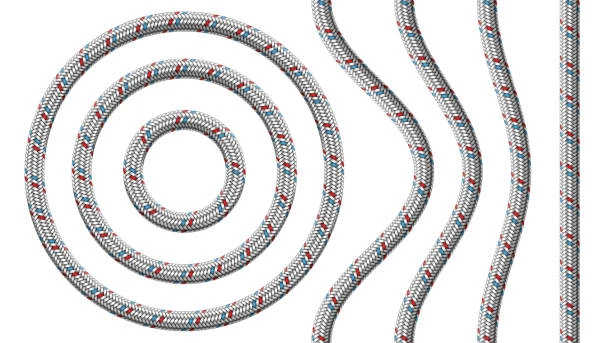
A braided rubber hose is a flexible conduit made from synthetic or natural rubber with a braided layer of reinforcement, typically made from stainless steel, polyester, or nylon. This braided layer gives the hose added strength to withstand high pressures and abrasive environments.
Key Features:
- Pressure resistance: The braided reinforcement provides excellent strength against internal and external pressures.
- Flexibility: The rubber base allows for easy movement, making the hose ideal for tight or mobile environments.
- Temperature tolerance: Many hoses are designed to handle extreme heat or cold without cracking or losing elasticity.
- Abrasion resistance: The outer layers are often resistant to wear from contact with surfaces, equipment, or tools.
- Chemical compatibility: Depending on the rubber used, these hoses can carry various chemicals without degrading.
These characteristics help ensure reliable and safe operations in demanding conditions. Over time, manufacturers have refined materials and production techniques, which further enhances the hose’s quality and expands its potential uses.
4. Common Uses and Industry Applications
The versatility of braided rubber hoses allows them to meet a wide range of industrial and commercial needs. Here are some of the most common sectors driving demand:
Automotive Industry
Vehicles require hoses for fuel lines, brake systems, and engine cooling. Braided rubber hoses offer the pressure resistance needed for these functions while maintaining flexibility in tight engine spaces.
Agriculture
In irrigation and fertilizer delivery systems, these hoses handle water and chemical fluids reliably. Their ability to function in outdoor, rugged environments is particularly valuable to farmers.
Construction and Mining
Heavy machinery uses high-pressure hydraulic systems, and braided rubber hoses serve as vital components that maintain fluid flow even under vibration and physical stress.
Manufacturing and Production
Factories use these hoses in pneumatic systems, material handling, and chemical processing. Their resistance to oils, heat, and pressure makes them suitable for 24/7 operational environments.
Marine and Aviation
In boats and aircraft, safety is paramount. Braided hoses ensure secure fluid transmission in fuel, hydraulic, or coolant systems, where failure is not an option.
Household and Commercial Use
Even at the consumer level, these hoses appear in garden irrigation, pressure washers, and plumbing systems due to their reliability and ease of use.
As industries grow and modernize, the demand for dependable hose systems follows. Braided rubber hoses have proven they can adapt to new challenges without compromising performance.
5. Why the Demand for Braided Rubber Hoses Keeps Growing
The global demand for braided rubber hoses continues to rise for several key reasons:
- Infrastructure development: Growing investments in infrastructure projects, especially in developing countries, require durable hoses for construction machinery and utilities.
- Agricultural modernization: As farmers adopt precision irrigation and chemical application systems, they need hoses that handle fluids safely and efficiently.
- Rise in automotive production: More vehicles, especially with advanced systems, require hoses that perform well under pressure and temperature fluctuations.
- Focus on safety and performance: Businesses aim to reduce equipment failure by choosing reliable components like braided hoses that minimize the risk of leaks or bursts.
- Customization and innovation: Manufacturers now offer custom lengths, diameters, and material compositions to suit specific needs, making these hoses accessible for niche applications.
Additionally, sustainability and efficiency play growing roles in product selection. Because braided rubber hoses are durable and reusable over long periods, they help reduce the total environmental impact and cut replacement costs.
6. Summary: Why Braided Rubber Hoses Meet Market Needs
Braided rubber hoses have evolved into a crucial part of modern equipment across a wide range of industries. Their ability to handle high pressure, tolerate rough environments, and deliver consistent performance explains why demand for them continues to grow. Whether in agriculture, construction, automotive, or industrial use, these hoses serve as reliable, efficient, and flexible components.
With increasing global infrastructure development and higher performance expectations from machinery, the need for quality fluid transport solutions like braided rubber hoses remains strong. For businesses seeking durability, adaptability, and value, these hoses represent a smart investment for the future.
If you’re considering braided rubber hoses for your application, take the time to evaluate your pressure, temperature, and material requirements. Choosing the right hose now can save money, enhance safety, and improve system performance for years to come.
IFAN Quality and Building Standards
As a trusted brand in plumbing and building systems, IFAN offers stainless steel braided hoses engineered to meet international building regulations. All IFAN hoses meet or exceed:
- ISO 10380 standards for mechanical performance
- WRAS and NSF certifications for potable water safety
- CE-marked products in line with EU building codes
- 304 and 316 stainless steel braiding for maximum durability
- Strict factory testing for burst pressure, fatigue, and thermal performance
Whether for commercial towers, schools, hospitals, or private homes, IFAN hoses provide a reliable, high-quality solution for every building environment.
Let me know if you need the same article localized for British English, or adapted for catalog use or e-commerce listings.
Contact
IFAN is a professional manufacturer with 30 years of experience, dedicated to producing high-quality plastic pipes, fittings, and valves. Our products include brass valves, PPR valves, as well as various pipes and fittings to meet different customer needs. Whether you need plumbing and drainage pipes or valve products. IFAN can provide a diverse range of high-quality, cost-effective products to support your projects. Below is our contact information.
We will reply your email or fax within 24 hours.
You can call us at any time if there is any question on our production.
Pls Mailto:[email protected]




Recent Comments