
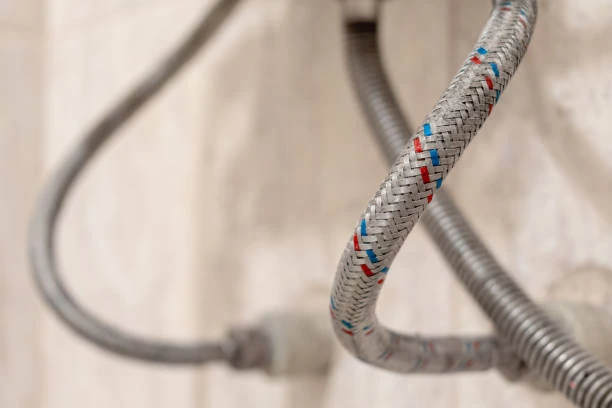
A braided rubber hose is a vital component in various industries, known for its durability, flexibility, and strength. But what truly sets it apart is its internal structure. This article explores the design and construction of braided rubber hoses, offering insight into how their layered build contributes to performance. Whether you’re a contractor, engineer, or DIY enthusiast, understanding the structural makeup of these hoses can help you choose the right one for your needs. In this guide, we will answer common questions, explain key features, and explore where these hoses are used.
Frequently Asked Questions (FAQ)
1. What makes the structure of a braided rubber hose unique?
The key lies in its multi-layer construction, especially the braided reinforcement layer, which provides high pressure resistance and flexibility.
2. Are all braided rubber hoses made the same way?
Not exactly. While the basic structure is similar, materials and braiding techniques can differ depending on the application and required strength.
3. Why is braiding necessary in rubber hoses?
Braiding adds mechanical strength and prevents the hose from expanding or bursting under pressure.
4. Can I use a braided rubber hose for hot water or chemicals?
Yes, but it depends on the specific rubber and braid material used. Always check the manufacturer’s specifications.
5. How does the structure affect the lifespan of the hose?
A strong, well-constructed structure significantly extends the hose’s life by resisting wear, pressure, and environmental damage.
Definition and Structural Features of Braided Rubber Hose
To fully understand a braided rubber hose, it’s important to look at its internal structure. Unlike plain rubber tubing, this type of hose contains multiple layers, each serving a different purpose.
Core Layer
At the center is the inner tube, usually made of synthetic rubber such as EPDM, NBR, or silicone. This layer carries the fluid or gas and must be resistant to corrosion, heat, or chemicals based on the application.
Reinforcement Layer
Surrounding the core is the braided layer, which is the most crucial part of the hose’s structure. This layer is made of tightly-woven stainless steel, polyester, nylon, or aramid fibers. The braiding reinforces the hose, giving it strength and pressure resistance without sacrificing flexibility.
The number of braiding layers may vary. Some hoses have single-braid reinforcement, while others use double or triple braiding for high-pressure environments. The tighter the braid, the more pressure the hose can handle.
Outer Layer
Finally, the outer rubber cover protects the hose from external damage such as abrasion, UV rays, chemicals, and temperature extremes. This layer is often made of synthetic rubber with properties tailored to specific applications.
Key Structural Benefits
- Pressure Resistance: Braiding prevents the inner tube from expanding, allowing the hose to handle higher pressures.
- Flexibility: The rubber and braided combination ensures the hose remains bendable while retaining its shape.
- Durability: The layered structure protects against cracking, leaking, and environmental wear.
- Lightweight: Despite the strong build, braided rubber hoses are often lighter than metal alternatives.
Common Applications and Industries
Thanks to their structure, braided rubber hoses are used in a wide range of sectors. Their ability to carry different fluids under varying conditions makes them a reliable choice across industries.
Automotive Industry
In vehicles, these hoses serve as fuel lines, brake hoses, and coolant conduits. Their pressure tolerance and heat resistance are essential for engine environments.
Construction and Industrial Use
In construction and manufacturing, braided hoses are used in hydraulic and pneumatic systems, carrying water, air, or oil under high pressure. They are also common in air compressors, concrete pumps, and heavy machinery.
Home and Garden
For everyday use, you can find braided rubber hoses in garden hoses, washing machines, and dishwashers. Their flexibility and kink-resistance make them ideal for household connections.
Chemical and Food Processing
In these industries, hoses must be made from food-grade or chemical-resistant materials, and braided rubber hoses are often customized to meet hygiene and safety standards.
Marine and Aviation
Because of their strength and lightness, these hoses are also used in boats and aircraft for fluid transfer systems, especially where movement or vibration is a concern.
Conclusion
The structure of a braided rubber hose is what gives it the edge in performance, durability, and versatility. By combining a flexible rubber core with a strong braided reinforcement and a protective outer layer, these hoses can withstand high pressures, extreme temperatures, and rough environments. Their widespread use across industries—from cars and factories to homes and gardens—demonstrates how effective a well-engineered structure can be.
If you’re selecting a hose for any application, take a close look at its construction. A quality braided rubber hose not only performs well but also offers long-term reliability, saving time and costs in maintenance. With this guide, you now have a clearer understanding of how structure matters and why it makes all the difference.
Would you like a downloadable version or HTML formatting for website use?
IFAN Quality and Building Standards
As a trusted brand in plumbing and building systems, IFAN offers stainless steel braided hoses engineered to meet international building regulations. All IFAN hoses meet or exceed:
- ISO 10380 standards for mechanical performance
- WRAS and NSF certifications for potable water safety
- CE-marked products in line with EU building codes
- 304 and 316 stainless steel braiding for maximum durability
- Strict factory testing for burst pressure, fatigue, and thermal performance
Whether for commercial towers, schools, hospitals, or private homes, IFAN hoses provide a reliable, high-quality solution for every building environment.
Let me know if you need the same article localized for British English, or adapted for catalog use or e-commerce listings.
Contact
IFAN is a professional manufacturer with 30 years of experience, dedicated to producing high-quality plastic pipes, fittings, and valves. Our products include brass valves, PPR valves, as well as various pipes and fittings to meet different customer needs. Whether you need plumbing and drainage pipes or valve products. IFAN can provide a diverse range of high-quality, cost-effective products to support your projects. Below is our contact information.
We will reply your email or fax within 24 hours.
You can call us at any time if there is any question on our production.
Pls Mailto:[email protected]



Recent Comments