
1. Summary Introduction
Braided rubber hoses have become an essential component across various mechanical, industrial, and domestic applications. Known for their durability, flexibility, and pressure resistance, these hoses offer reliable performance in transporting fluids and gases under varying conditions. Their robust braided structure—typically reinforced with synthetic fibers or metal—enhances strength while maintaining the rubber’s natural flexibility. From automotive engines to construction sites and household appliances, braided rubber hoses play a silent but critical role in ensuring systems operate smoothly. This article explores what braided rubber hoses are, what makes them unique, and, most importantly, the wide range of uses they serve in everyday and industrial settings.
2. Frequently Asked Questions (FAQ)
Q1: What is a braided rubber hose used for?
Braided rubber hoses are used to transport fluids or gases under pressure. They are commonly found in automotive systems, industrial machinery, household appliances, and hydraulic equipment.
Q2: Why choose a braided rubber hose over a standard rubber hose?
The braided reinforcement gives the hose higher pressure tolerance, better kink resistance, and longer life, making it suitable for more demanding applications.
Q3: Are braided rubber hoses suitable for hot liquids?
Yes, many braided rubber hoses are designed to handle elevated temperatures, especially those used in automotive cooling systems and hot water supply lines.
Q4: How do I know which type of braided hose to use?
The choice depends on factors like operating pressure, fluid type, temperature, and installation environment. It’s important to consult technical specifications or a manufacturer’s guide.
Q5: Can I use a braided rubber hose outdoors?
Absolutely. Many braided rubber hoses are UV-resistant and weatherproof, making them ideal for outdoor applications such as garden irrigation or fuel transfer.
3. Definition and Key Features of Braided Rubber Hose
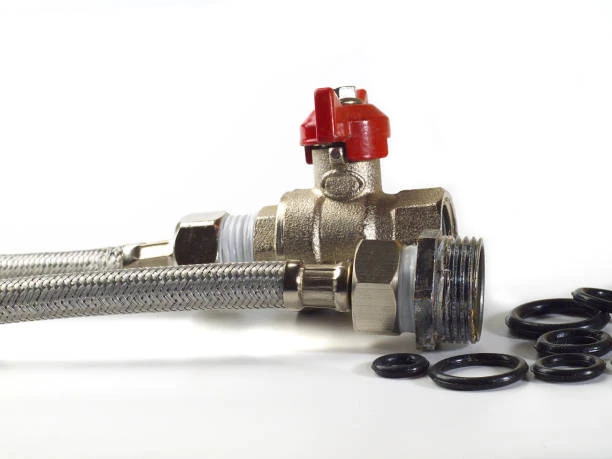
A braided rubber hose is a flexible tube made from synthetic or natural rubber, reinforced by an external braid layer made of materials like polyester, nylon, or stainless steel. This braided layer enhances the hose’s strength, protects against abrasion, and helps maintain its shape under pressure.
Key features include:
- Flexibility: Allows easy routing through tight spaces.
- Reinforcement: The braided layer supports higher pressure resistance.
- Abrasion Resistance: Outer braids protect against external wear.
- Thermal Stability: Many models tolerate both hot and cold temperatures.
- Chemical Resistance: Suitable for a wide range of fluids including oils, fuels, and coolants.
These features make braided rubber hoses highly reliable for both static and dynamic systems.
4. Common Uses and Application Industries
The versatility of braided rubber hoses makes them suitable for numerous applications across various sectors. Let’s explore the most frequent uses by industry:
A. Automotive Sector
In vehicles, braided rubber hoses are used in:
- Fuel Lines: To safely transport gasoline and diesel.
- Brake Systems: As part of hydraulic braking systems where flexibility and strength are essential.
- Coolant Circuits: To manage engine temperature.
- Air Conditioning Systems: Carrying refrigerants under pressure.
These applications demand high pressure tolerance and thermal resistance, which braided hoses provide effectively.
B. Industrial Machinery
In heavy-duty equipment and factories, braided rubber hoses are used to:
- Convey Hydraulic Fluids: For actuating cylinders or valves.
- Deliver Compressed Air: In pneumatic systems.
- Transfer Lubricants: To reduce wear in moving mechanical parts.
Due to continuous operation and harsh environments, industrial hoses must withstand pressure cycles and potential abrasion—conditions where braided rubber hoses excel.
C. Construction and Agriculture
Construction and farming equipment rely on:
- Water Delivery Systems: For dust suppression or irrigation.
- Fuel Lines for Machinery: Ensuring safe fuel transport under rugged conditions.
- Concrete Spraying Hoses: Where abrasion resistance is critical.
In these sectors, the durability and weather resistance of braided hoses prove essential, especially under fluctuating weather and mechanical vibration.
D. Home and Domestic Applications
In residential settings, braided rubber hoses are found in:
- Washing Machines: Connecting the appliance to water supply lines.
- Dishwashers: Carrying hot water safely under pressure.
- Showers and Faucets: Delivering water while allowing movement and flexibility.
In these cases, the hose’s discreet design, flexibility, and leak resistance offer both convenience and safety.
E. Food and Beverage Industry
Braided rubber hoses made from food-grade materials are used to:
- Transfer Beverages or Ingredients: Under sanitary conditions.
- Convey Hot Liquids or Steam: In cooking or sterilization systems.
Here, hoses must not only meet pressure requirements but also health and hygiene standards, making specialized rubber compounds and braids a necessity.
F. Marine and Aviation
In boats and aircraft, braided rubber hoses handle:
- Fuel Transport: With high burst resistance and anti-corrosive properties.
- Cooling Systems: Exposed to saltwater or high-altitude pressure variations.
- Hydraulic Controls: Where reliability is critical for safety.
5. Summary
Braided rubber hoses are a vital component in countless mechanical and industrial systems. Their unique structure combines the flexibility of rubber with the strength of external braiding, resulting in a hose capable of handling high pressures, resisting wear, and adapting to various environments. From automotive engines to kitchen appliances, these hoses ensure the safe and efficient transport of liquids and gases.
Understanding their wide array of uses helps in choosing the right hose for any task. Whether for home improvement or heavy-duty industrial work, braided rubber hoses provide the reliability and performance needed to keep systems running smoothly. As technology advances and demands rise, these hoses continue to evolve—offering even better materials, higher pressure ratings, and more specific designs tailored to individual industries.
IFAN Quality and Building Standards
As a trusted brand in plumbing and building systems, IFAN offers stainless steel braided hoses engineered to meet international building regulations. All IFAN hoses meet or exceed:
- ISO 10380 standards for mechanical performance
- WRAS and NSF certifications for potable water safety
- CE-marked products in line with EU building codes
- 304 and 316 stainless steel braiding for maximum durability
- Strict factory testing for burst pressure, fatigue, and thermal performance
Whether for commercial towers, schools, hospitals, or private homes, IFAN hoses provide a reliable, high-quality solution for every building environment.
Let me know if you need the same article localized for British English, or adapted for catalog use or e-commerce listings.
Contact
IFAN is a professional manufacturer with 30 years of experience, dedicated to producing high-quality plastic pipes, fittings, and valves. Our products include brass valves, PPR valves, as well as various pipes and fittings to meet different customer needs. Whether you need plumbing and drainage pipes or valve products. IFAN can provide a diverse range of high-quality, cost-effective products to support your projects. Below is our contact information.
We will reply your email or fax within 24 hours.
You can call us at any time if there is any question on our production.
Pls Mailto:[email protected]




Recent Comments