
1. Introduction: Understanding the Technical Strength of Braided Rubber Hoses
Braided rubber hoses have become essential components in a wide range of mechanical, automotive, and industrial systems. Thanks to their durable construction and advanced manufacturing techniques, these hoses combine flexibility with impressive pressure resistance. In many systems that require efficient fluid or gas transfer, a braided rubber hose offers an ideal balance between strength and adaptability. This article explores the technical background of braided rubber hoses, outlines their features, and discusses how technological advancements continue to improve their performance across various industries.
2. Frequently Asked Questions (FAQ)
1. What is a braided rubber hose used for?
Braided rubber hoses are primarily used for conveying fluids and gases under pressure in systems such as automotive engines, industrial machinery, and hydraulic equipment.
2. What makes braided rubber hoses different from standard rubber hoses?
The braided reinforcement layer significantly increases strength and pressure resistance, making them more suitable for demanding applications.
3. Are braided rubber hoses heat-resistant?
Yes, most braided rubber hoses can handle elevated temperatures, especially when made from heat-resistant compounds like EPDM or NBR.
4. Can braided rubber hoses be used for air and gas applications?
Absolutely. These hoses are commonly used for compressed air systems and gas transfer lines, particularly when durability and flexibility are crucial.
5. How long do braided rubber hoses last?
The lifespan varies depending on use and environmental conditions, but high-quality hoses can last several years, especially when installed and maintained properly.
3. Definition and Key Technical Features
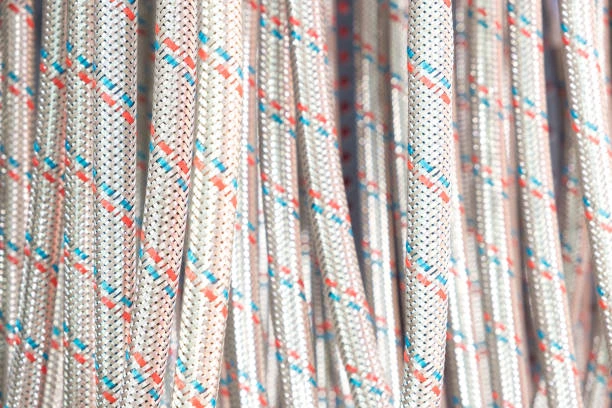
Braided rubber hoses are flexible pipes made from layers of synthetic rubber and reinforced with a braided mesh of high-strength fibers or metal. This technical design allows them to withstand high pressures, harsh chemicals, and demanding operating conditions.
The inner tube is typically made from a synthetic rubber compound that resists oil, fuel, or chemicals. Around this core, one or more layers of braiding are applied—usually using polyester, aramid fiber, or stainless steel. This braided layer gives the hose superior tensile strength and reduces expansion under pressure.
Some hoses may also feature an outer rubber cover that provides abrasion resistance, UV protection, and flexibility. These combined elements make the braided rubber hose both versatile and highly reliable.
Key technical features include:
- High pressure resistance: The braided mesh helps contain internal pressure without deformation.
- Enhanced flexibility: Despite the strength, the hose can still bend around machinery or structural elements.
- Thermal stability: Quality materials ensure performance across a broad temperature range.
- Chemical resistance: Suitable for conveying oils, fuels, coolants, and other industrial fluids.
- Long operational life: Designed to withstand wear, vibration, and external impacts.
4. Common Applications and Industry Use
Braided rubber hoses are used in multiple industries where fluid or gas transfer is required under mechanical stress. The combination of strength and flexibility makes them a go-to choice for both mobile and fixed equipment.
Automotive Sector
In cars and trucks, braided rubber hoses are often used in brake lines, power steering systems, fuel lines, and coolant systems. These hoses provide consistent flow under high pressure and varying temperatures.
Industrial Machinery
In manufacturing plants and production lines, these hoses handle hydraulic fluids, lubricants, and compressed air. They’re designed to endure vibrations, pressure pulses, and long hours of continuous operation.
Construction Equipment
Heavy-duty equipment like excavators and loaders rely on braided rubber hoses to deliver hydraulic power to moving parts. Their rugged construction ensures reliable operation in rough, outdoor environments.
Agriculture and Irrigation
For farms and irrigation systems, braided hoses offer an excellent solution for transferring water or fertilizer under pressure. Their durability means fewer breakdowns and less maintenance in the field.
HVAC Systems
Heating, ventilation, and air conditioning units use these hoses for coolant flow and gas transfer. Their flexible design allows easy routing through tight spaces and around corners.
Aerospace and Marine
In more demanding environments, such as airplanes or ships, braided rubber hoses are chosen for their resistance to vibrations, saltwater, and fluctuating pressures. Their lightweight design also contributes to fuel efficiency.
5. Technical Advancements in Braided Hose Manufacturing
With growing demands for efficiency and reliability, braided rubber hose technology has also evolved. Today’s manufacturing processes use precision engineering and advanced materials to improve performance.
For instance, modern hoses may use:
- Multi-layer construction: More than one braid layer can be added to increase strength without losing flexibility.
- Hybrid materials: Blends of rubber with polymers enhance chemical and heat resistance.
- Laser-cut braiding: Advanced machinery weaves the braid more consistently for uniform strength.
- Low-permeability liners: Inner tubes now reduce fluid loss and vapor permeation, especially important for fuel systems.
- Smart design integration: Hoses can be designed with crimped ends, color coding, or embedded sensors for leak detection or temperature monitoring.
These innovations help extend the life of the product, reduce failure rates, and simplify installation and maintenance.
6. Quality and Standards
For technical reliability, braided rubber hoses must meet specific industry standards. Depending on the application, they may comply with:
- SAE (Society of Automotive Engineers)
- ISO (International Organization for Standardization)
- DIN (Deutsches Institut für Normung)
- ASTM (American Society for Testing and Materials)
These standards define pressure ratings, material composition, flexibility, and temperature tolerance, helping ensure the hose performs safely in its intended environment.
7. Maintenance and Inspection Tips
Although braided rubber hoses are durable, regular checks are essential for safety and performance. Here are a few tips:
- Inspect for cracks or abrasions: Surface damage can lead to leaks under pressure.
- Check connections: Loose fittings may cause reduced performance or system failure.
- Look for bulges: These can signal internal damage or compromised braiding.
- Replace aged hoses: Rubber deteriorates over time, especially when exposed to heat and UV light.
- Clean before replacement: Ensures compatibility and prevents contamination.
Following these practices can prevent breakdowns and extend the operational life of your system.
8. Conclusion
Braided rubber hoses combine advanced materials and technical design to deliver high performance in demanding environments. Whether used in automotive systems, industrial equipment, or construction machinery, these hoses offer a perfect balance of strength, flexibility, and durability. Their multi-layer construction and pressure resistance make them indispensable in applications where safety and reliability are non-negotiable.
As technology continues to evolve, braided rubber hoses are becoming even more efficient, safe, and sustainable. Choosing the right type of hose for your specific needs ensures not only peak performance but also long-term savings in maintenance and downtime. For industries that rely on robust and adaptable fluid handling, braided rubber hoses remain a smart and technically sound choice.
IFAN Quality and Building Standards
As a trusted brand in plumbing and building systems, IFAN offers stainless steel braided hoses engineered to meet international building regulations. All IFAN hoses meet or exceed:
- ISO 10380 standards for mechanical performance
- WRAS and NSF certifications for potable water safety
- CE-marked products in line with EU building codes
- 304 and 316 stainless steel braiding for maximum durability
- Strict factory testing for burst pressure, fatigue, and thermal performance
Whether for commercial towers, schools, hospitals, or private homes, IFAN hoses provide a reliable, high-quality solution for every building environment.
Let me know if you need the same article localized for British English, or adapted for catalog use or e-commerce listings.
Contact
IFAN is a professional manufacturer with 30 years of experience, dedicated to producing high-quality plastic pipes, fittings, and valves. Our products include brass valves, PPR valves, as well as various pipes and fittings to meet different customer needs. Whether you need plumbing and drainage pipes or valve products. IFAN can provide a diverse range of high-quality, cost-effective products to support your projects. Below is our contact information.
We will reply your email or fax within 24 hours.
You can call us at any time if there is any question on our production.
Pls Mailto:[email protected]




Recent Comments