
1. Summary
Braided rubber hoses play a vital role in mechanical systems that demand flexibility, strength, and resistance to pressure. These hoses are constructed by reinforcing rubber tubing with braided synthetic or steel wires, offering durability in demanding environments. Whether used in hydraulic equipment, automotive systems, or industrial machines, braided rubber hoses provide mechanical advantages by combining elasticity with structural support. In this article, we will explore their key features, how they function mechanically, and where they are commonly applied across various industries.
2. Frequently Asked Questions (FAQ)
1. What is the main mechanical advantage of a braided rubber hose?
The braided reinforcement enhances pressure resistance while maintaining hose flexibility, which supports performance under mechanical stress.
2. Can braided rubber hoses handle high-temperature environments?
Yes, many braided rubber hoses are designed with heat-resistant rubber compounds, making them suitable for high-temperature mechanical systems.
3. What types of machinery commonly use braided rubber hoses?
They are frequently used in hydraulic systems, pneumatic tools, engine cooling circuits, brake systems, and heavy-duty industrial machines.
4. How does the braiding pattern affect hose performance?
The braiding angle and material determine burst strength, flexibility, and resistance to abrasion or fatigue.
5. Are braided rubber hoses suitable for long-term mechanical use?
With proper selection and maintenance, these hoses provide reliable long-term performance even under continuous mechanical loads.
3. Definition and Key Characteristics
What Are Braided Rubber Hoses?
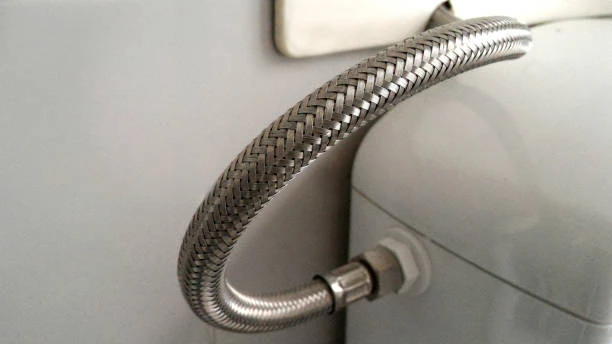
Braided rubber hoses are flexible rubber tubes reinforced with a woven layer of wire or synthetic fibers. This braided layer supports the hose structurally, preventing expansion under pressure and offering mechanical strength.
Key Characteristics Include:
- Mechanical Strength: The braided reinforcement resists internal pressure and external wear.
- Flexibility: Despite their strength, these hoses can bend without kinking or breaking.
- Durability: Braided rubber hoses withstand mechanical vibrations, movements, and exposure to chemicals.
- Pressure Resistance: The braiding allows the hose to operate under high pressure without rupture.
- Temperature Tolerance: They can manage a wide range of temperatures, depending on the rubber compound used.
4. Common Applications and Industry Use
Braided rubber hoses have a wide range of applications in mechanical systems. Their design allows them to serve in environments where both flexibility and strength are needed.
1. Automotive Industry
They are widely used in fuel lines, brake systems, engine cooling hoses, and transmission oil cooling circuits. These components require hoses that can tolerate vibration, pressure fluctuations, and heat.
2. Hydraulic Machinery
In hydraulic systems, braided rubber hoses are critical for transmitting pressurized fluid. They connect pumps, cylinders, and valves while enduring pulsating pressures and mechanical flexing.
3. Industrial Equipment
Many industrial machines—like presses, conveyors, and compressors—rely on braided rubber hoses to deliver fluid or air under pressure. These hoses must handle continuous motion and mechanical loading.
4. Construction and Heavy Equipment
Excavators, loaders, and cranes all use hydraulic systems that require rugged hoses. Braided rubber hoses support these machines with long-lasting, vibration-resistant connections.
5. Agricultural Machinery
Sprayers, harvesters, and irrigation pumps use rubber hoses that must tolerate abrasion, heat, and chemical exposure. The braided layer adds mechanical strength in outdoor and off-road conditions.
5. Mechanical Function and Structure
The mechanical strength of a braided rubber hose comes from its layered structure. Typically, a hose contains:
- Inner Rubber Tube: Carries the fluid or gas; must be compatible with the substance.
- Braided Reinforcement Layer: Made from stainless steel, polyester, or aramid fibers, this layer bears the mechanical load.
- Outer Rubber Cover: Protects the hose from external wear, UV, and abrasion.
The braided layer significantly impacts mechanical performance. For instance:
- Tight Weave = Higher Pressure Tolerance: A denser braid can support higher burst pressures.
- Angled Weave = More Flexibility: A braid with a diagonal pattern allows for better hose flexibility without sacrificing strength.
- Double or Triple Braiding: Adds layers of protection and strength for more demanding applications.
These structural aspects ensure that the hose does not deform under pressure, maintain shape during bending, and avoid fatigue under constant mechanical motion.
6. Benefits in Mechanical Systems
Shock Absorption:
Braided rubber hoses can absorb shocks and vibrations from mechanical systems. This feature protects sensitive components from damage and helps extend equipment life.
Noise Reduction:
Flexible hoses dampen noise and resonance that could otherwise occur in rigid piping systems.
Space Efficiency:
In confined mechanical environments, braided rubber hoses offer routing flexibility, reducing the need for complex pipe fittings.
Quick Installation:
Compared to rigid metal tubing, rubber hoses with braiding can be installed more easily and adjusted on-site without specialized tools.
7. Considerations for Selection
When selecting a braided rubber hose for mechanical use, several factors should be evaluated:
- Pressure Rating: Choose a hose that exceeds the maximum working pressure of your system.
- Temperature Range: Ensure the hose material tolerates the expected temperature extremes.
- Bend Radius: Select hoses that maintain structural integrity when bent.
- Chemical Compatibility: The rubber compound must resist the fluids or gases in the system.
- Abrasion Resistance: For outdoor or mobile equipment, use hoses with tough outer layers.
Manufacturers often provide detailed specifications, which include burst pressure, working pressure, minimum bend radius, and temperature limits.
8. Conclusion
Braided rubber hoses offer a reliable and flexible solution for mechanical systems across various industries. Their unique construction—combining the flexibility of rubber with the reinforcement of braiding—provides durability under pressure, excellent mechanical strength, and long service life. From automotive engines to hydraulic systems in heavy machinery, these hoses ensure safe and efficient fluid transfer under dynamic mechanical conditions.
By understanding their structure, benefits, and suitable applications, users can make informed decisions when selecting braided rubber hoses for their mechanical needs. Whether in design, installation, or maintenance, choosing the right hose contributes directly to system efficiency and operational safety.
IFAN Quality and Building Standards
As a trusted brand in plumbing and building systems, IFAN offers stainless steel braided hoses engineered to meet international building regulations. All IFAN hoses meet or exceed:
- ISO 10380 standards for mechanical performance
- WRAS and NSF certifications for potable water safety
- CE-marked products in line with EU building codes
- 304 and 316 stainless steel braiding for maximum durability
- Strict factory testing for burst pressure, fatigue, and thermal performance
Whether for commercial towers, schools, hospitals, or private homes, IFAN hoses provide a reliable, high-quality solution for every building environment.
Let me know if you need the same article localized for British English, or adapted for catalog use or e-commerce listings.
Contact
IFAN is a professional manufacturer with 30 years of experience, dedicated to producing high-quality plastic pipes, fittings, and valves. Our products include brass valves, PPR valves, as well as various pipes and fittings to meet different customer needs. Whether you need plumbing and drainage pipes or valve products. IFAN can provide a diverse range of high-quality, cost-effective products to support your projects. Below is our contact information.
We will reply your email or fax within 24 hours.
You can call us at any time if there is any question on our production.
Pls Mailto:[email protected]




Recent Comments