
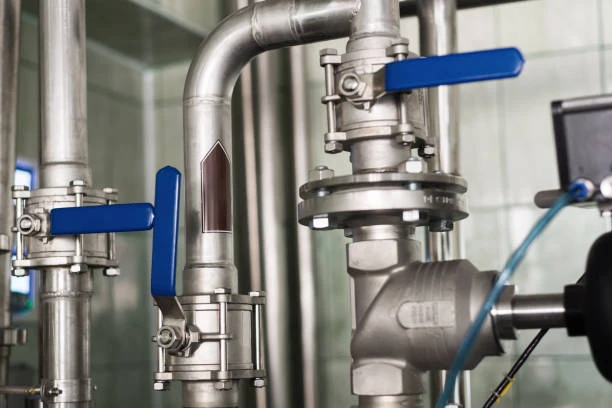
Copper valves play a crucial role in various industries, particularly in plumbing and heating systems, as well as in industrial processes. The price of copper valves can vary significantly due to a range of factors. Understanding these factors can help buyers and industry professionals make more informed decisions when purchasing copper valves. This article will explore seven key factors that directly impact the price of copper valves.
Raw Material Costs
The price of copper valves is heavily influenced by the cost of copper itself. Copper is a non-ferrous metal, and its price fluctuates based on market conditions. The global supply and demand for copper, mining activities, and geopolitical factors all play a role in shaping its price. When copper prices rise, manufacturers pass these increased costs onto consumers, leading to higher prices for copper valves. Conversely, when copper prices drop, the cost of copper valves tends to follow suit.
Manufacturing Complexity
The complexity of manufacturing copper valves also has a significant impact on their price. Simple, standard valves with minimal features are generally less expensive than custom or specialized valves. Valves with intricate designs, special coatings, or advanced features like pressure regulation or temperature control require more time, expertise, and resources to manufacture. The higher the complexity, the higher the production costs, which are reflected in the final price of the valve.
Labor Costs
Labor costs in the regions where copper valves are manufactured play a pivotal role in determining their price. Countries with higher labor wages, like the United States or Western Europe, generally produce copper valves at higher costs compared to regions with lower labor wages, such as Southeast Asia. The cost of skilled labor, including technicians and engineers needed to design and produce high-quality valves, adds to the overall production costs. This, in turn, impacts the final price of copper valves.
Technological Advances and Innovations
The development of new technologies and innovations in valve production can influence their price. Advancements in materials, manufacturing techniques, and automation have made it possible to produce more durable, efficient, and cost-effective copper valves. However, these innovations often come with an initial investment in research and development, which can increase the cost of production in the short term. As new technologies become more widespread, manufacturers may be able to lower production costs, but early adopters often face higher prices.
Market Competition
The level of competition in the copper valve market can also impact pricing. In markets where numerous manufacturers and suppliers exist, prices tend to be more competitive, as companies attempt to offer the best value to customers. On the other hand, in markets with few suppliers or monopolistic conditions, companies can set higher prices, knowing that there are fewer alternatives for buyers. Consumers in competitive markets benefit from lower prices and greater product variety, while those in less competitive markets may face inflated prices for copper valves.
Shipping and Transportation Costs
Shipping and transportation costs are often overlooked but can significantly affect the price of copper valves, especially in international trade. The cost of transporting raw copper to manufacturing facilities, as well as the distribution of finished copper valves to retailers and consumers, adds to the overall cost structure. Fuel prices, shipping routes, and the distance between suppliers and buyers all contribute to the final price of copper valves. In times of rising fuel prices or disruptions in global supply chains, shipping costs can increase, leading to higher prices for copper valves.
Regulatory Compliance and Standards
Copper valves must meet various industry standards and regulatory requirements, which can affect their cost. Compliance with international standards such as ISO, ASTM, or EN can require manufacturers to invest in testing, certification, and quality assurance processes. These costs are then passed on to consumers. In some regions, strict environmental regulations may require additional production steps or the use of eco-friendly materials, which can increase manufacturing costs. Furthermore, the need to ensure valves are compliant with local building codes and safety standards adds to the cost structure.
Conclusion
The price of copper valves is determined by a combination of factors ranging from raw material costs to regulatory compliance. By understanding these factors, businesses and consumers can make better purchasing decisions and anticipate fluctuations in valve prices. Whether it’s the price of copper, the complexity of the manufacturing process, or the influence of market competition, each factor plays a role in shaping the final price of copper valves. As these factors evolve, so too will the prices of copper valves in the global marketplace.
Contact
IFAN is a professional manufacturer with 30 years of experience, dedicated to producing high-quality plastic pipes, fittings, and valves. Our products include brass valves, PPR valves, as well as various pipes and fittings to meet different customer needs. Whether you need plumbing and drainage pipes or valve products. IFAN can provide a diverse range of high-quality, cost-effective products to support your projects. Below is our contact information.
We will reply your email or fax within 24 hours.
You can call us at any time if there is any question on our production.
Pls Mailto: [email protected]
Whatsapp: + 86 19857948982











Recent Comments