
Introduction
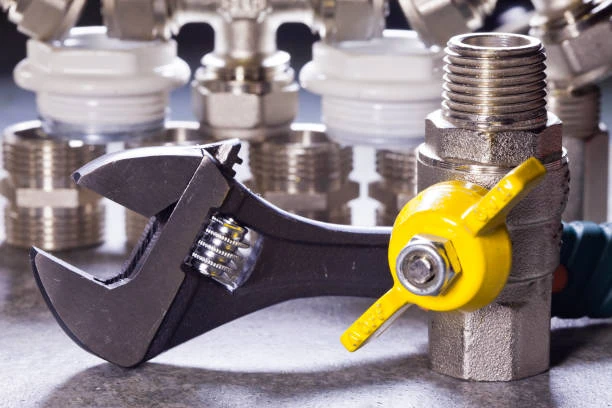
In any fluid or gas control system, the quality of the components directly impacts system efficiency, safety, and longevity. Copper valves are highly regarded for their durability, corrosion resistance, and overall reliability. Quality copper valves play an essential role in various applications, from residential plumbing to industrial piping systems. Ensuring that these valves meet the highest quality standards helps prevent costly repairs, minimize downtime, and maintain operational efficiency. This article explores the critical aspects of quality in copper valves, from material selection to design and manufacturing processes.
Material Integrity and Copper’s Unique Properties
The foundation of quality copper valves lies in the material itself. Copper is known for its exceptional durability, corrosion resistance, and high thermal and electrical conductivity. When valves are made from high-quality copper alloys, such as brass or bronze, they offer superior resistance to the elements, including moisture, harsh chemicals, and extreme temperatures. These properties ensure that copper valves maintain their performance over time, even in challenging environments. High-quality copper valves also exhibit less wear and tear, which directly impacts their longevity and efficiency in fluid control systems.
Precision Manufacturing for Consistent Performance
The manufacturing process plays a significant role in determining the quality of copper valves. Precision in manufacturing ensures that each valve meets strict standards for functionality, durability, and safety. Manufacturers use advanced techniques like casting, machining, and assembly to produce valves that operate smoothly and fit securely within piping systems. High-quality copper valves are designed to achieve a tight seal, preventing leaks and enhancing the overall performance of the system. Ensuring that each valve component, from the body to the stem and seals, fits precisely contributes to the valve’s efficiency and longevity.
Resistance to Corrosion
One of the most critical quality factors in copper valves is their ability to resist corrosion. Over time, exposure to water, air, or chemicals can degrade many valve materials, but copper’s natural resistance to corrosion makes it an ideal choice for many applications. High-quality copper valve retain their integrity even in environments where other materials would deteriorate. This resistance to corrosion prevents failures such as leaks, blockages, or reduced flow efficiency, making copper valve essential in water treatment, HVAC, and industrial piping systems. A high-quality copper valve ensures that the system remains functional for years without the need for frequent replacements.
Quality Control and Testing for Reliable Performance
Manufacturers implement stringent quality control and testing procedures to ensure that copper valve meet the highest standards. These procedures may include pressure testing, durability testing, and resistance to high temperatures or chemicals. Testing valves under different conditions simulates the real-world environments in which they will operate, ensuring that they can handle the demands of each specific application. Quality control checks ensure that valves operate as expected, providing reliable, leak-free service over their lifespan. This testing and validation process is essential to guarantee that copper valve perform consistently and safely, even under extreme conditions.
Long-Term Value and Return on Investment
Investing in high-quality copper valves offers long-term value for consumers. While copper valve may come at a higher initial cost compared to other materials, their durability and resistance to corrosion reduce the need for frequent maintenance or replacement. This results in significant cost savings over time. High-quality copper valve ensure that the system operates efficiently, saving both time and money. For industries that rely on precise fluid and gas control, such as water treatment plants, oil and gas, and manufacturing, the quality of copper valves translates into reduced downtime, lower maintenance costs, and increased operational efficiency. The long lifespan of copper valve also provides a higher return on investment, making them a cost-effective choice for any system.
Conclusion
The quality of copper valves directly influences the performance, efficiency, and longevity of the systems in which they are used. From the material’s inherent properties to precision manufacturing, corrosion resistance, and rigorous testing, several factors contribute to the overall quality of copper valve. Choosing high-quality copper valve ensures that fluid and gas systems operate smoothly, reducing the need for repairs and improving system efficiency. As industries and residential systems continue to demand more reliable, sustainable solutions, investing in high-quality copper valves proves to be a wise decision for long-term success and performance.
Contact
IFAN is a professional manufacturer with 30 years of experience, dedicated to producing high-quality plastic pipes, fittings, and valves. Our products include brass valves, PPR valves, as well as various pipes and fittings to meet different customer needs. Whether you need plumbing and drainage pipes or valve products. IFAN can provide a diverse range of high-quality, cost-effective products to support your projects. Below is our contact information.
We will reply your email or fax within 24 hours.
You can call us at any time if there is any question on our production.
Pls Mailto: [email protected]
Whatsapp: + 86 19857948982










Recent Comments