
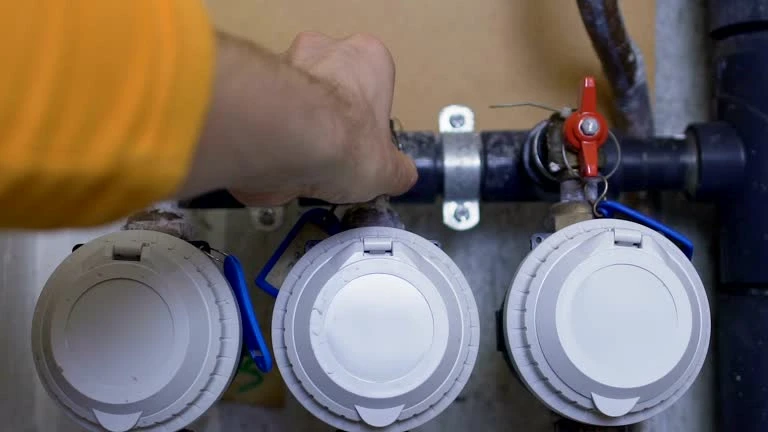
Copper valves are widely used in various applications, from residential plumbing to industrial systems. Their durability, resistance to corrosion, and thermal conductivity make them a popular choice for both domestic and commercial use. However, the price of copper valves fluctuates and is influenced by a variety of factors. This article explores the primary reasons behind the price of copper valves, helping buyers understand what drives these price changes.
Fluctuations in Copper Prices
The price of copper valves directly reflects changes in the cost of copper, the core material used in their production. Copper prices are highly volatile, influenced by global supply and demand dynamics, mining output, and geopolitical events. When copper prices rise, manufacturers face higher material costs, which often translate into higher prices for copper valves. Conversely, if copper prices drop due to increased production or decreased demand, the price of copper valves tends to follow suit. Copper’s status as a globally traded commodity makes its price subject to market fluctuations, directly impacting the cost of copper valves.
Manufacturing Costs
The process of manufacturing copper valves involves several steps, each contributing to the overall cost. From casting and machining to assembly and testing, the entire production process requires labor, energy, and specialized equipment. High-quality copper valves, especially those designed for industrial applications, often require precise manufacturing techniques to ensure reliability and performance. As labor costs, electricity prices, and machine maintenance expenses increase, the price of manufacturing copper valves also rises. These factors lead manufacturers to adjust their prices accordingly to maintain profitability.
Labor Costs and Skill Levels
Labor costs significantly affect the price of copper valves. Skilled workers, such as machinists and engineers, are essential to ensure the quality and accuracy of copper valve production. In countries with higher wage rates, such as the United States or Europe, the cost of producing copper valves tends to be higher. Labor-intensive processes, like manual shaping, quality control, and specialized fitting, increase the cost of production. As wages rise or labor shortages occur, manufacturers may increase the price of copper valves to account for these additional expenses.
Technological Advancements and R&D
The introduction of new technologies can influence the price of copper valves. Advances in manufacturing techniques, automation, and materials science can reduce production costs in the long term. However, these innovations often require significant initial investments in research and development. Manufacturers who invest in new technologies, such as advanced CNC machines or automated assembly lines, may raise prices to recoup these costs. Over time, as technology becomes more widely adopted and production processes become more efficient, prices may stabilize or even decrease.
Market Demand and Supply Dynamics
The balance between supply and demand is one of the primary reasons behind price fluctuations. When demand for copper valves increases due to booming industries like construction, HVAC, or plumbing, manufacturers may struggle to keep up with orders, driving prices higher. Conversely, in periods of low demand, prices tend to stabilize or decrease as manufacturers seek to sell excess stock. Seasonal trends also play a role, with demand for copper valves rising during certain periods (such as the construction season) and declining during others. Shifts in market demand can have a direct and noticeable impact on the price of copper valves.
Shipping and Transportation Costs
Shipping and transportation expenses significantly contribute to the final price of copper valves. The cost of transporting raw copper to manufacturing facilities and shipping finished valves to distributors or customers can add up quickly. Fuel prices, shipping routes, tariffs, and logistical challenges all play a role in determining these costs. In times of rising fuel prices or global disruptions (such as natural disasters or trade conflicts), shipping costs can spike, forcing manufacturers to raise prices to maintain profitability. Shipping is often one of the less obvious factors influencing the price of copper valves but can have a substantial effect.
Regulatory Compliance and Certification
Copper valves must meet various regulatory and industry standards to ensure their safety, performance, and durability. Compliance with regulations such as ASTM, ISO, and ANSI can add to the cost of production. Manufacturers may need to invest in testing, certification processes, and quality control systems to meet these standards. In some regions, strict environmental regulations regarding materials or production processes can also raise costs. These costs are typically passed on to consumers, making regulatory compliance a significant factor in the pricing of copper valves.
Conclusion
The price of copper valves is determined by a variety of interrelated factors, including the cost of copper, manufacturing expenses, labor costs, and market demand. Technological innovations and regulatory requirements also play important roles in shaping valve prices. Understanding these factors helps consumers and businesses make informed decisions when purchasing copper valves. While market conditions may fluctuate, keeping an eye on the key drivers of pricing allows buyers to anticipate changes and manage their costs more effectively.
Contact
IFAN is a professional manufacturer with 30 years of experience, dedicated to producing high-quality plastic pipes, fittings, and valves. Our products include brass valves, PPR valves, as well as various pipes and fittings to meet different customer needs. Whether you need plumbing and drainage pipes or valve products. IFAN can provide a diverse range of high-quality, cost-effective products to support your projects. Below is our contact information.
We will reply your email or fax within 24 hours.
You can call us at any time if there is any question on our production.
Pls Mailto: [email protected]
Whatsapp: + 86 19857948982










Recent Comments