
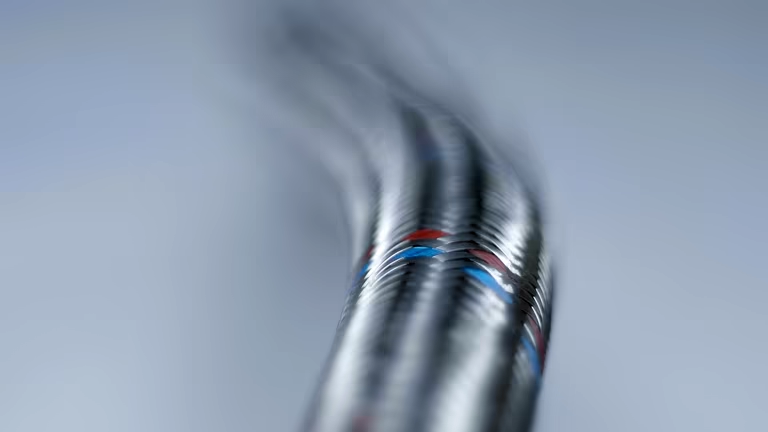
When it comes to dishwasher performance and safety, the quality of its water connection plays a critical role. One of the most important components in this system is the braided dishwasher hose. This hose might seem simple at first glance, but its internal structure is engineered to handle pressure, temperature, and movement in ways that basic plastic hoses cannot match.
From the inner tube to the outer braiding and connector fittings, each part of the braided dishwasher hose serves a specific function. Together, they form a durable, flexible, and secure solution for connecting dishwashers to the household water supply. This article explains the structural elements of braided dishwasher hoses in detail, addresses frequently asked questions, and outlines their uses and industry relevance.
Frequently Asked Questions (FAQ)
1. What makes the structure of a braided dishwasher hose different from standard hoses?
A braided dishwasher hose features a multi-layered design, including an inner tube and a braided outer layer, typically made of stainless steel or nylon. This reinforced structure provides greater pressure resistance, durability, and flexibility than standard rubber or plastic hoses.
2. What is the purpose of the braided outer layer?
The braided layer acts as a protective shield. It reinforces the hose against internal water pressure, prevents kinking, and protects the inner tube from abrasion or impact.
3. Are all braided hoses made with the same materials?
Not necessarily. While many use stainless steel for the outer braid, some hoses use nylon for added flexibility. The inner tube may vary as well—common materials include EPDM rubber, PVC, or PEX, depending on the hose’s intended pressure and temperature range.
4. Does the structure affect the hose’s lifespan?
Yes, the structural integrity directly impacts longevity. A well-built braided hose can last more than 10 years, especially when made with corrosion-resistant fittings and quality inner tubing. Proper installation and maintenance also help extend its life.
5. How does the hose structure impact safety during dishwasher use?
The layered structure protects against unexpected bursts, especially when water pressure surges. The braided covering helps maintain hose shape and strength, reducing the chances of leaks or failure that could lead to kitchen flooding.
Basic Definition and Key Structural Features of a Braided Dishwasher Hose
A braided dishwasher hose is a flexible supply line specifically designed for connecting dishwashers to a household’s water system. Its structure is built for performance under pressure. Unlike basic tubing, this hose uses a multi-layered composition that maximizes strength, flexibility, and long-term reliability.
Let’s break down the primary structural components:
1. Inner Tube
The core of the hose is its inner tube, which directly carries the water. Depending on the manufacturer and model, this inner layer is commonly made from:
- EPDM (Ethylene Propylene Diene Monomer) Rubber: Highly resistant to hot water and pressure, ideal for dishwasher use.
- PVC (Polyvinyl Chloride): More affordable, flexible, and suitable for general-purpose water delivery.
- PEX (Cross-Linked Polyethylene): Offers excellent durability and temperature resistance, often used in premium hose models.
The inner tube must be food-safe, non-toxic, and able to withstand both high and low temperatures. It also needs to maintain flexibility for easy routing during installation.
2. Braided Reinforcement Layer
Wrapped tightly around the inner tube is the braided reinforcement, which gives the hose its name. This layer is typically made from:
- Stainless Steel: The most common and durable option. It resists corrosion and mechanical wear, making it perfect for both indoor and humid environments.
- Nylon Fiber: Lighter and more flexible than steel, nylon braiding is easier to handle in tight spaces and bends more easily without collapsing.
- Polyester Yarn (in some cases): Provides good strength for medium-pressure applications and is often used for cost-effective solutions.
This woven layer is what gives the hose its ability to resist pressure, impact, and external abrasion. It also helps maintain the shape of the hose, reducing the risk of kinking or twisting.
3. Outer Jacket or Coating (Optional)
Some hoses include an outer jacket over the braid. This coating, often made from clear PVC or thermoplastic, serves as a protective layer that:
- Prevents fraying of the braid
- Improves appearance
- Adds resistance to UV light or chemicals
Although not found in every hose, this additional layer can improve durability and make cleaning the hose exterior easier.
4. End Fittings and Connectors
Both ends of a braided dishwasher hose are equipped with metal fittings, designed to connect securely to the dishwasher and the home’s shut-off valve. Common features of these fittings include:
- Standard 3/8″ compression fittings or 3/4″ garden hose thread (GHT)
- Brass or stainless steel construction for corrosion resistance
- Built-in rubber washers or O-rings to ensure a tight seal
- Swivel nuts for easier installation and alignment
These fittings are critical for leak prevention and must match both the hose diameter and the plumbing configuration.
Common Applications and Industry Use of Braided Dishwasher Hoses
The structured design of braided dishwasher hoses makes them suitable not only for home kitchens but also for a wide range of installation types. Here are some of the most common applications and the industries where they are used.
1. Residential Kitchens
The most widespread use of braided dishwasher hoses occurs in homes. These hoses are installed during:
- New dishwasher installations
- Appliance replacements
- Kitchen remodels
Homeowners appreciate their reliability and sleek appearance, while installers benefit from their easy handling and resistance to damage.
2. Multi-Family Housing and Apartment Units
Property developers and managers often install braided hoses in apartment units due to their longevity and low maintenance. Their ability to resist wear and burst failures reduces the risk of property damage and tenant complaints.
3. Commercial Kitchens
Restaurants, catering facilities, and industrial kitchens use compact dishwashing units that require reliable water connections. Braided hoses in these settings must withstand:
- Frequent water surges
- Hot water cycles
- Cleaning chemicals
In these environments, stainless steel braiding provides added confidence under constant use.
4. RVs and Mobile Homes
Space-saving appliances in RVs and mobile homes also use braided dishwasher hoses, particularly where flexibility and reliability are essential due to movement and vibration. Nylon braided hoses are often preferred in these mobile settings for their flexibility and weight advantages.
5. Renovation and Construction Projects
Contractors often choose braided hoses for kitchen installations because they simplify the setup and reduce the need for rigid plumbing. Their flexibility allows easier alignment between dishwashers and water lines, especially in tight or irregular cabinet spaces.
Advantages of Structured Braided Hoses Over Traditional Alternatives
The structured build of a braided dishwasher hose offers a number of practical benefits:
- Stronger Under Pressure: The internal and external layers work together to prevent bursting, even during pressure surges.
- Greater Flexibility: Despite the reinforcement, the braided structure bends easily around tight corners and confined spaces.
- Longer Life Expectancy: Structural resistance to corrosion, temperature shifts, and external damage means fewer replacements.
- Reliable Sealing: Built-in gaskets and precision-machined connectors reduce the chances of leakage at connection points.
- Visually Appealing: Stainless steel braiding looks clean and professional, often matching modern kitchen finishes.
In contrast, unbraided hoses—especially older rubber or vinyl ones—may crack, warp, or leak over time due to structural weaknesses.
Summary
The braided dishwasher hose is a small but vital part of any dishwasher installation. Its multi-layered structure—including a tough inner tube, braided reinforcement, and precision fittings—ensures safe, flexible, and long-lasting performance. Whether you’re installing a new appliance or upgrading an existing connection, understanding the structure of this hose helps you choose a product that fits both your technical requirements and your space constraints.
From residential kitchens to commercial installations, this structured hose offers significant benefits in pressure resistance, durability, and ease of use. By selecting the right materials and design features, you can avoid leaks, extend appliance life, and protect your home or business from costly water damage.
With a clear understanding of how a braided dishwasher hose is built and what it offers, you can approach any project with confidence and choose a product that delivers both safety and performance.
Let me know if you’d like a version of this article adapted for a product listing, installation guide, or e-commerce platform like Amazon or Wayfair.
Contact
IFAN is a professional manufacturer with 30 years of experience, dedicated to producing high-quality plastic pipes, fittings, and valves. Our products include brass valves, PPR valves, as well as various pipes and fittings to meet different customer needs. Whether you need plumbing and drainage pipes or valve products. IFAN can provide a diverse range of high-quality, cost-effective products to support your projects. Below is our contact information.
We will reply your email or fax within 24 hours.
You can call us at any time if there is any question on our production.
Pls Mailto:[email protected]







Recent Comments