
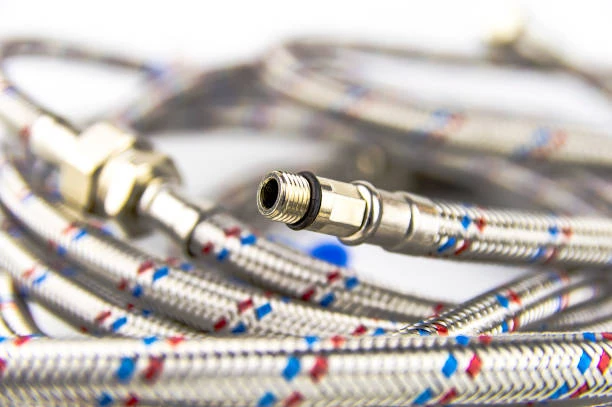
Braided rubber hoses may look similar on the outside, but not all are the same. From the materials used in their construction to their specific applications, braided rubber hoses come in many types designed to meet different needs. Choosing the right one requires an understanding of their differences—such as internal structure, pressure rating, temperature tolerance, and outer braiding. This article explains these distinctions in a clear and professional manner, helping you navigate your options and select the best braided rubber hose for your project.
FAQ: Frequently Asked Questions About Braided Rubber Hoses
1. What makes one braided rubber hose different from another?
Differences can include the type of rubber used, the braiding material, pressure capacity, flexibility, and the intended application (e.g., automotive, industrial, household).
2. Are stainless steel braided hoses better than textile braided ones?
It depends on the use. Stainless steel braided hoses offer higher pressure resistance and durability, while textile braided hoses are lighter and more flexible for low-pressure systems.
3. How do braided rubber hoses differ from non-braided ones?
Braided hoses include a reinforcement layer that improves strength and prevents bursting. Non-braided hoses lack this support and are generally used in low-pressure or gravity-fed systems.
4. Do all braided rubber hoses handle the same temperature and pressure?
No. Some are built for high-temperature steam, while others are made for cold water or air. Pressure ratings vary as well, depending on the hose’s construction and materials.
5. Can I use the same braided hose for oil, water, and gas?
Not always. Different rubber types have different chemical resistance. For example, nitrile rubber works well with oil, but EPDM is more suitable for hot water and steam.
Definitions and Key Differences in Braided Rubber Hose Design
At a glance, most braided rubber hoses share the same basic structure: a flexible rubber core surrounded by a braided reinforcement layer and covered by a protective outer layer. However, the variations in each layer create meaningful differences in performance.
Core Rubber Type
The inner tube material greatly affects the hose’s resistance to fluids, temperature, and wear. Common core materials include:
- Nitrile Rubber (NBR): Excellent for oil and fuel applications.
- EPDM Rubber: Resistant to heat, steam, and weather; suitable for water and air.
- Neoprene: Good general-purpose rubber with oil and weather resistance.
- Silicone: Highly flexible and heat-resistant, but not suitable for all chemicals.
Each rubber type responds differently to chemicals, UV exposure, and temperature changes. For instance, EPDM hoses are ideal for hot water and steam, while nitrile is better for oily substances.
Braiding Material
The braided layer is where hoses get their strength. Different materials used for braiding include:
- Stainless Steel: Offers the highest pressure resistance and durability. It’s often used in automotive, hydraulic, and industrial applications.
- Polyester or Nylon: Lightweight, flexible, and good for medium to low-pressure systems like home plumbing or irrigation.
- Aramid Fiber (e.g., Kevlar): Strong and heat-resistant, aramid is often used in high-performance or racing applications.
Stainless steel braiding protects against physical damage and internal pressure surges. In contrast, textile braiding improves flexibility and makes the hose lighter and easier to handle.
Pressure Ratings
Braided rubber hoses are available in a wide range of pressure ratings, usually measured in PSI (pounds per square inch). The difference in pressure capacity depends on:
- Type of core rubber
- Braiding strength and density
- Diameter and wall thickness
For example, a hose reinforced with dual stainless steel braiding can handle much higher pressures than a single-braided textile hose of the same size.
Temperature Tolerance
Temperature tolerance is another important difference. Some hoses handle extreme heat, while others are designed for cold or ambient conditions. For instance:
- Silicone hoses: Operate safely from -60°C to +200°C.
- NBR hoses: Typically range from -40°C to +100°C.
- EPDM hoses: Handle up to 130°C, ideal for hot water and steam.
Hoses used near engines or in industrial heating systems need to be heat-resistant, while others in refrigeration setups must endure low temperatures.
Flexibility and Bend Radius
Flexibility matters in tight spaces or where frequent movement occurs. Textile braided hoses are usually more flexible and have a smaller bend radius than metal braided types. Hoses that are too stiff can be difficult to install and may kink or crack over time.
Outer Cover Differences
While the outer layer’s primary job is protection, the material and finish vary:
- Smooth Rubber Cover: Easy to clean and often used in food-grade hoses.
- Textured or Ribbed Surface: Improves grip and flexibility.
- UV-Resistant Coatings: Important for outdoor applications.
The outer cover may also affect the hose’s appearance and compatibility with connectors or clamps.
Typical Applications Based on Braided Hose Differences
Choosing the correct type of braided rubber hose depends on where and how it will be used. Below are typical use cases based on the hose’s differences.
Automotive Use
In the automotive world, braided hoses are essential for fuel lines, brake systems, power steering, and cooling systems. For these applications:
- Stainless steel braided hoses are ideal due to their pressure rating and heat resistance.
- Nitrile rubber cores are chosen for fuel and oil lines.
- Silicone hoses may be used in cooling systems for their heat resistance and flexibility.
In racing and performance vehicles, aramid braided hoses offer an excellent combination of light weight and high pressure tolerance.
Industrial Equipment
Factories and heavy machinery often require braided rubber hoses that can withstand high pressure, abrasion, and temperature fluctuations. These include:
- Hydraulic hoses: Often made with stainless steel braiding and a nitrile or neoprene core.
- Steam hoses: Use EPDM cores with heat-resistant outer jackets.
- Pneumatic hoses: Require flexibility and moderate pressure resistance, typically with textile braiding.
Each industrial environment calls for a different combination of features to ensure long service life and safe operation.
Residential Plumbing
Home use typically involves lower pressure systems. Flexible braided rubber hoses are used to connect:
- Washing machines
- Dishwashers
- Water heaters
- Bathroom or kitchen faucets
In these cases, polyester-braided hoses are popular due to their affordability and ease of installation. EPDM or general-purpose rubber is often used for water transport.
Food and Beverage Industry
When safety and cleanliness are priorities, hoses need to meet strict hygiene standards. Food-grade braided rubber hoses feature:
- Non-toxic rubber cores, often EPDM or silicone
- Smooth inner walls to avoid bacterial buildup
- Easy-to-clean outer surfaces
Some also include odor- and taste-resistant coatings for transferring beverages without contamination.
Agricultural Use
Braided hoses are widely used in farming for irrigation, pesticide spraying, and fertilizer distribution. These applications need hoses that are:
- Chemical-resistant (nitrile or special synthetic rubber)
- UV-resistant for outdoor exposure
- Lightweight for portability in the field
The braiding material is often textile or hybrid fibers, balancing flexibility with strength.
Summary
While braided rubber hoses may appear similar, their differences are significant and tailored to specific uses. Understanding these variations—such as the type of rubber, the braiding material, the pressure rating, and temperature resistance—helps you select the right hose for your task.
To sum up:
- Nitrile is best for oil and fuel; EPDM excels in hot water and steam.
- Stainless steel braiding delivers high strength, while textile braiding allows greater flexibility.
- Different applications require different specifications, from automotive systems to garden irrigation setups.
- Choosing the wrong type may lead to system failure, so it’s essential to match hose characteristics with your application’s demands.
Whether you’re outfitting an industrial plant or replacing a kitchen faucet connector, selecting the right braided rubber hose depends on a clear understanding of these differences. Making the right choice ensures safety, performance, and long-term reliability.
IFAN Quality and Building Standards
As a trusted brand in plumbing and building systems, IFAN offers stainless steel braided hoses engineered to meet international building regulations. All IFAN hoses meet or exceed:
- ISO 10380 standards for mechanical performance
- WRAS and NSF certifications for potable water safety
- CE-marked products in line with EU building codes
- 304 and 316 stainless steel braiding for maximum durability
- Strict factory testing for burst pressure, fatigue, and thermal performance
Whether for commercial towers, schools, hospitals, or private homes, IFAN hoses provide a reliable, high-quality solution for every building environment.
Let me know if you need the same article localized for British English, or adapted for catalog use or e-commerce listings.
Contact
IFAN is a professional manufacturer with 30 years of experience, dedicated to producing high-quality plastic pipes, fittings, and valves. Our products include brass valves, PPR valves, as well as various pipes and fittings to meet different customer needs. Whether you need plumbing and drainage pipes or valve products. IFAN can provide a diverse range of high-quality, cost-effective products to support your projects. Below is our contact information.
We will reply your email or fax within 24 hours.
You can call us at any time if there is any question on our production.
Pls Mailto:[email protected]




Recent Comments