
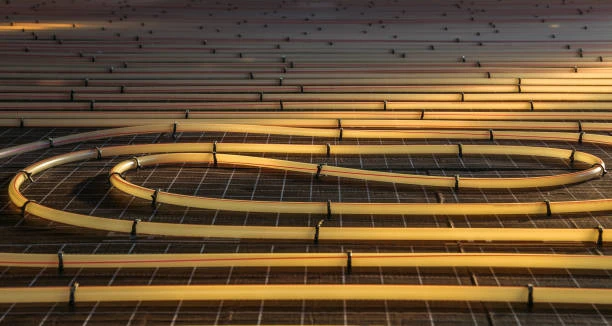
Radiant PEX tubing has become the top choice for modern hydronic heating systems, and for good reason. This specialized tubing brings a combination of flexibility, durability, and efficiency that traditional materials cannot match. Whether you are a homeowner planning a new build or a contractor selecting the best materials, understanding the defining features of radiant PEX tubing is crucial. This article will explore its core characteristics, explain how it works in simple terms, and answer the most common questions people have. By the end, you will see exactly why this material is so highly recommended for comfortable and reliable heating.
What is Radiant PEX Tubing?
Radiant PEX tubing is a flexible plastic pipe made from cross-linked polyethylene. The “PEX” stands for cross-linked polyethylene, which refers to a manufacturing process that creates strong molecular bonds within the plastic. This process transforms the polyethylene into a more durable and heat-resistant material. Unlike rigid copper or CPVC pipes, PEX tubing comes in long, flexible coils. This flexibility allows installers to run continuous tubing from a manifold without needing many joints or fittings. People primarily use it in radiant floor heating systems, where warm water circulates through the tubing to heat floors and rooms evenly and efficiently.
Defining Features and Characteristics
The popularity of radiant PEX tubing stems from a set of impressive features. First, its flexibility stands out, making installation much faster and easier as it bends around obstacles and fits into tight spaces. Second, the tubing is incredibly durable and resistant to scale and chlorine, which means it will not corrode or degrade over time like metal pipes can. Another key feature is its freeze resistance; PEX can expand and contract, significantly reducing the chance of bursting if the water inside ever freezes. Many types also include an oxygen diffusion barrier, a critical feature that prevents oxygen from entering the system and corroding other metal components like boilers and pumps. Finally, its smooth interior surface minimizes flow resistance, allowing for efficient water circulation and optimal heat transfer.
Common Uses and Applications
The primary application for radiant PEX tubing is in hydronic radiant floor heating systems. Builders embed the tubing in a concrete slab or attach it under wood subfloors to create a large, warm surface that heats rooms from the ground up. This provides a consistent and comfortable heat that many people prefer over forced-air systems. Beyond residential floors, people also use PEX tubing in wall panels and ceiling systems. Furthermore, its uses extend to snow and ice melting systems for driveways, sidewalks, and parking lots. You will also find it in commercial buildings, warehouses, and even agricultural settings like barns to keep floors dry and animals warm. Its versatility makes it suitable for almost any situation that requires efficient, distributed heat.
Frequently Asked Questions
1. What makes PEX tubing better than copper for radiant heat?
PEX tubing is more flexible and cost-effective than copper. It does not corrode, is resistant to scale buildup, and its freeze-resistant properties lower the risk of costly burst pipes in cold weather.
2. Are there different types of PEX tubing?
Yes, the main types are PEX-A, PEX-B, and PEX-C, which refer to different manufacturing methods. PEX-A offers the highest flexibility, while PEX-B is a very strong and economical choice. For radiant heating, ensure the tubing has an oxygen barrier.
3. How long can I expect a PEX radiant system to last?
A properly installed PEX radiant heating system can last for more than It depends on the actual situation.. The material is designed to withstand long-term exposure to heat and pressure without degrading.
4. Can I use standard PEX tubing for radiant heat applications?
It is not recommended. You should always use PEX tubing that is specifically labeled for radiant heating. This “radiant PEX” includes an oxygen diffusion barrier, which is essential for protecting your entire system from corrosion.
5. Is PEX tubing safe for potable water and heating?
Yes, modern PEX tubing sold in North America and Europe meets strict safety standards for both potable water and heating applications. It is certified by organizations like NSF International to ensure it does not leach harmful materials into the water.
Conclusion
In summary, the features of radiant PEX tubing make it an outstanding material for modern heating solutions. Its unique combination of flexibility, durability, and resistance to corrosion and freezing addresses the common drawbacks of traditional piping. The addition of an oxygen barrier makes it a complete and system-friendly component. From cozy homes to ice-free driveways, the applications for this versatile tubing are vast. When you choose radiant PEX tubing, you are investing in a proven, efficient, and long-lasting heating solution that delivers comfort and peace of mind for decades.
Don’t miss our giant sale event!
It’s the perfect time to shop for your family, so be sure to tell your friends and neighbors nearby to come along! To make your shopping trip easier, we offer multiple services including convenient parking, flexible payment options, and friendly assistance.
Come on down and see for yourself!
Where to find us:4014 Java Lane Columbia South Carolina
IFAN’s international standards
IFAN products comply with multiple international standards, including BS 3505, BS 4346, ASTM D1785 SCH40, ASTM D1785 SCH80, DIN, GB, DWV, ASTM D2665, ASTM D2241, ASTM D2729, ASTM F441/F441M, ISO 1452 Series standards, EN ISO 1452, DIN 8061/8062, GB/T 10002 Series standards, AS/NZS 1477, JIS K6741, CSA B137.3, NSF/ANSI 14, TIS 17-2532/1131-2535, among others. These certifications ensure that IFAN piping systems meet global requirements for safety, durability, and performance.
Contact
IFAN is a professional manufacturer with 30 years of experience, dedicated to producing high-quality plastic pipes, fittings, and valves. Our products include brass valves, PPR valves, as well as various pipes and fittings to meet different customer needs. Whether you need plumbing and drainage pipes or valve products. IFAN can provide a diverse range of high-quality, cost-effective products to support your projects. Below is our contact information.
We will reply your email or fax within 24 hours.
You can call us at any time if there is any question on our production.
Pls Mailto:[email protected]







Recent Comments