
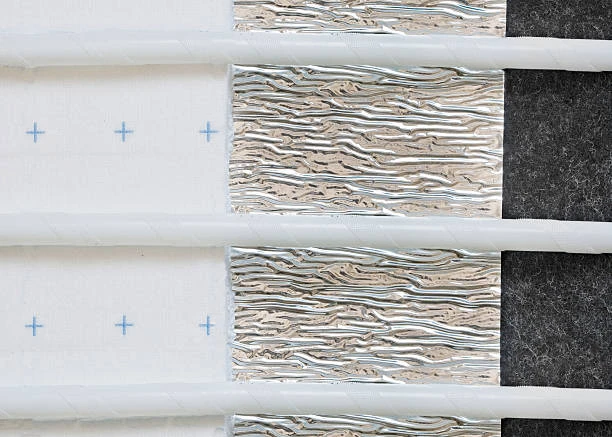
Installing radiant PEX tubing requires careful planning and precise execution to create an efficient and long-lasting heating system. This flexible tubing forms the heart of any radiant floor system, circulating warm water to provide consistent, comfortable heat. Proper installation not only ensures optimal performance but also prevents costly future repairs. This guide walks through the key stages of installing radiant PEX tubing, from initial layout planning to pressure testing. We will answer common installation questions and explain how following best practices leads to a superior heating system that can serve a building for decades.
Understanding Radiant PEX Tubing for Installation
Radiant PEX tubing is a flexible, cross-linked polyethylene pipe specifically designed for hydronic heating systems. Its notable flexibility allows installers to create long, continuous runs with minimal connections, significantly reducing potential leak points. The tubing typically features an oxygen diffusion barrier to protect system components from corrosion. These characteristics directly influence installation methods. The material’s flexibility enables it to snake through complex floor layouts, while its durability allows for embedding in concrete or securing under subfloors. Recognizing these properties helps installers choose the right approach for each project.
Key Stages in the Installation Process
The installation process begins with careful planning and design. Professionals first create a detailed layout plan that determines tubing loop lengths and manifold placement. They then prepare the subfloor by installing insulation boards to direct heat upward. Next, installers secure the PEX tubing according to the planned layout, using specialized tools and fasteners. Common methods include stapling it to wood subfloors or attaching it to insulation with snap-in tracks. After securing all tubing runs, they connect each loop to the manifold system. The final crucial step involves pressure testing the entire system before covering it. Installers pressurize the tubing with air or water to verify there are no leaks in the connections or tubing runs.
Common Installation Methods and Techniques
Installers use several established methods for securing radiant PEX tubing, depending on the project requirements. The staple-up method works well for existing structures, where installers fasten tubing to the underside of the subfloor between joists. For new concrete floors, they often use the slab-on-grade method, tying the tubing to reinforcing wire mesh before the concrete pour. The above-subfloor method utilizes pre-grooved panels that hold the tubing in precise patterns. Each technique requires specific spacing considerations, typically placing tubes 6 to 12 inches apart depending on heat loss calculations. Installers must also maintain proper expansion gaps around the tubing and use compatible fasteners to avoid damaging the PEX material.
Frequently Asked Questions
What is the maximum length for a single PEX tubing loop?
Most manufacturers recommend keeping loops under 300 feet to maintain proper flow and heat distribution. Longer loops can create pressure drops and uneven heating.
How close should the tubing spacing be?
Spacing typically ranges from 6 inches for areas with high heat loss to 12 inches for general comfort heating. Closer spacing provides more heat output in rooms with large windows or exterior walls.
Can I install radiant PEX tubing myself?
While experienced DIYers can handle some aspects, we recommend working with professionals for system design and critical connections. Proper manifold setup and pressure testing require specialized knowledge.
Should I perform a pressure test before covering the tubing?
Yes, always pressure test the system after installation. Most codes require maintaining pressure for 24 hours to confirm there are no leaks before proceeding with concrete pours or floor coverings.
What type of manifold system works best?
A manifold with flow meters for each loop provides the best control over heat distribution. This allows you to balance the system and adjust heat output for different zones.
Conclusion
Successful radiant PEX tubing installation combines proper planning, quality materials, and precise execution. Following established methods and spacing guidelines ensures efficient heat distribution throughout the space. The installation approach will vary depending on whether you are working with a concrete slab, wood subfloor, or retrofit application. Remember that pressure testing provides essential verification of your work before completing the installation. When installed correctly, a radiant PEX system delivers decades of comfortable, efficient heating with minimal maintenance. This makes the initial care and attention to installation details a valuable investment in long-term performance and reliability.
Don’t miss our giant sale event!
It’s the perfect time to shop for your family, so be sure to tell your friends and neighbors nearby to come along! To make your shopping trip easier, we offer multiple services including convenient parking, flexible payment options, and friendly assistance.
Come on down and see for yourself!
Where to find us:2621 Burton Avenue Memphis Tennessee
IFAN’s international standards
IFAN products comply with multiple international standards, including BS 3505, BS 4346, ASTM D1785 SCH40, ASTM D1785 SCH80, DIN, GB, DWV, ASTM D2665, ASTM D2241, ASTM D2729, ASTM F441/F441M, ISO 1452 Series standards, EN ISO 1452, DIN 8061/8062, GB/T 10002 Series standards, AS/NZS 1477, JIS K6741, CSA B137.3, NSF/ANSI 14, TIS 17-2532/1131-2535, among others. These certifications ensure that IFAN piping systems meet global requirements for safety, durability, and performance.
Contact
IFAN is a professional manufacturer with 30 years of experience, dedicated to producing high-quality plastic pipes, fittings, and valves. Our products include brass valves, PPR valves, as well as various pipes and fittings to meet different customer needs. Whether you need plumbing and drainage pipes or valve products. IFAN can provide a diverse range of high-quality, cost-effective products to support your projects. Below is our contact information.
We will reply your email or fax within 24 hours.
You can call us at any time if there is any question on our production.
Pls Mailto:[email protected]











Recent Comments