
A Complete Beginner’s Guide to Choosing the Right PVC Connectors and Fittings
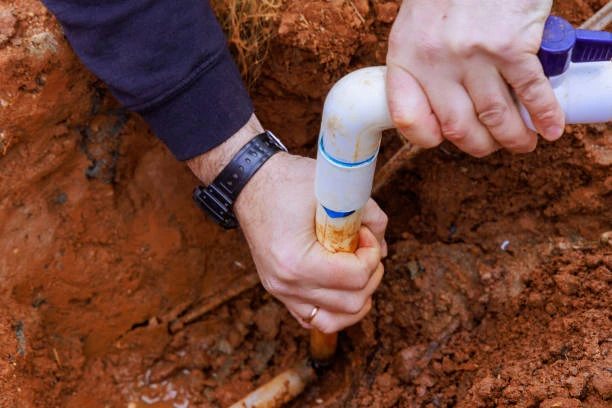
PVC pipe fittings are the backbone of many plumbing systems, both in homes and commercial settings. Whether you’re repairing a leaky pipe, building a new water line, or planning a DIY sprinkler system, choosing the right fittings is essential. In this guide, we will walk you through the most common PVC fittings, their uses, and how to select the best ones for your specific needs.
Why PVC Pipe Fittings Matter in Plumbing
When you’re handling any plumbing job, the type of pipe is just one part of the equation. What truly brings the system together are the fittings. PVC pipe fittings allow you to connect, redirect, control, and end water flow with ease. Because they are lightweight, resistant to corrosion, and easy to install, PVC fittings have become a top choice for beginners and professionals alike.
Moreover, using the wrong fitting can lead to leaks, reduced water pressure, or even system failure. That’s why understanding the various types of fittings and their functions is so important.
Common Types of PVC Pipe Fittings Explained
There are many types of PVC fittings, and each one serves a specific purpose. Let’s go through the most common types you’ll encounter:
1. Couplings
Couplings are simple connectors. They join two pieces of pipe in a straight line. You can use standard couplings or ones that reduce the pipe size (called reducing couplings).
✅ Best for: Extending pipe runs or connecting pipes of different sizes.
2. Elbows
Elbows help you change the direction of water flow, typically by 90 or 45 degrees. They are essential in tight corners or areas where a straight pipe won’t work.
✅ Best for: Navigating around walls or obstacles.
3. Tees
Tee fittings let you branch off one main pipe into two directions. They have a “T” shape and are widely used in irrigation systems, home plumbing, and drainage.
✅ Best for: Splitting water flow between two outlets.
4. Adapters
Adapters allow you to connect PVC pipe to different pipe types or thread systems, such as copper or galvanized pipes. They come in male and female thread versions.
✅ Best for: Mixed-material plumbing systems.
5. Caps and Plugs
Caps close the end of a pipe, while plugs seal off a fitting. These fittings are essential when you want to block off unused lines.
✅ Best for: Sealing off future lines or temporary shutdowns.
6. Unions
Unions are like couplings, but with a twist—they can be easily unscrewed for disassembly. This is helpful when you may need to remove or replace a pipe section later.
✅ Best for: Systems that require regular maintenance.
7. Bushings
Bushings are inserted into a fitting to reduce its internal diameter, allowing smaller pipes to be connected.
✅ Best for: Adapting to different pipe sizes within a tight space.
How to Choose the Right Fitting for Your Plumbing Job
Now that you know the main types, let’s talk about how to choose the right fitting.
1. Consider the Pipe Size
Always match fittings to your PVC pipe’s diameter—typically ½”, ¾”, 1″, or larger. Measure carefully and double-check the label.
2. Understand the Pressure Rating
Fittings must handle the water pressure in your system. Look for labels such as “Schedule 40” or “Schedule 80”, which indicate wall thickness and pressure tolerance.
3. Think About Flow Direction
Does your pipe need to turn a corner, split into two lines, or stop entirely? Match the fitting to the job function.
4. Choose the Right Glue or Seal
Most PVC fittings need primer and cement to form a permanent bond. Some threaded types may also require PTFE tape to prevent leaks.
PVC Fittings vs. Other Materials
PVC is not the only material used in plumbing, but it offers several advantages over alternatives like copper or metal.
| Feature | PVC Fittings | Metal Fittings |
|---|---|---|
| Cost | Affordable | Expensive |
| Corrosion | Does not corrode | Can rust over time |
| Weight | Lightweight | Heavier |
| Ease of Use | Simple to install | Requires tools/solder |
| Compatibility | Great for cold water | Better for hot water |
CPVC is ideal for cold water systems, drainage, and irrigation. For high-heat or pressurized lines, metal may still be the better option.
Tips for First-Time DIY Installers
If you’re new to plumbing, PVC makes a great starting point. Here are a few helpful tips:
- Dry-fit first before gluing. Make sure everything aligns.
- Use purple primer before cementing for better bonding.
- Allow glue to cure before turning on water—usually 15–30 minutes.
- Always cut pipe cleanly and squarely using PVC cutters.
- Label pipe ends if you’re working on a larger project.
With patience and planning, even beginners can create reliable systems with PVC pipe fittings.
Where to Buy Quality PVC Pipe Fittings
You can find a wide range of PVC fittings online or at your local hardware store. Popular sources include:
- Lowes – known for affordable PVC pipe and accessories
- Home Depot – good selection for residential plumbing
- Specialty retailers – may offer bulk or industrial-grade fittings
- Plumbing supply websites – ideal for comparing prices and brands
When shopping, always check product reviews, pressure ratings, and compatibility with your current system.
Conclusion: Get Your Plumbing Right with the Best PVC Pipe Fittings
PVC pipe fittings may seem like small pieces, but they play a huge role in your plumbing system’s success. By understanding the types, uses, and installation tips, you can choose the right fittings confidently—even as a beginner.
Remember: plan your layout, select the correct sizes, and use proper sealing methods. With the right PVC fittings in place, your plumbing job will run smoothly and last for years.
IFAN international standard
IFAN products adhere to leading international standards, including ASTM D2846 for CPVC piping, DIN 8079/8080 for PP-R pipes, and ASTM F441/F441M SCH80 for PVC pressure systems. Our solutions also meet GB/T 18993 (China), AS/NZS 1477 (Australia/New Zealand), CSA B137.6 (Canada), NSF/ANSI 14 (U.S. safety), TIS 17-2532/1131-2535 (Thailand), and other DIN specifications, ensuring global reliability for plumbing, industrial, and drinking water applications. Trust IFAN for certified quality across markets.
Contact
IFAN is a professional manufacturer with 30 years of experience, dedicated to producing high-quality plastic pipes, fittings, and valves. Our products include brass valves, PPR valves, as well as various pipes and fittings to meet different customer needs. Whether you need plumbing and drainage pipes or valve products. IFAN can provide a diverse range of high-quality, cost-effective products to support your projects. Below is our contact information.
We will reply your email or fax within 24 hours.
You can call us at any time if there is any question on our production.
Pls Mailto:[email protected]




Recent Comments