
1. Introduction to Throttle Valve Accessories
Throttle valves play a vital role in regulating fluid and gas flow in various industrial systems. Their performance depends not only on their design but also on the accessories and components that support their operation. Different fittings, seals, actuators, and connectors enhance functionality, efficiency, and longevity. Selecting the right accessories ensures optimal performance in diverse applications.
2. Actuators for Automated Control
Actuators serve as key components in throttle valve systems, enabling precise control over fluid flow. Manual handles allow direct operation, while pneumatic, hydraulic, and electric actuators facilitate automated adjustments. In high-precision applications, servo or stepper motor actuators provide fine-tuned control based on real-time data from sensors. These accessories enhance the efficiency of throttle valves in complex industrial environments.
3. Seals and Gaskets for Leak Prevention
Seals and gaskets ensure that throttle valves operate without leakage, maintaining system efficiency and safety. O-rings made of rubber, PTFE, or other high-performance materials provide airtight sealing. In high-temperature or high-pressure environments, metallic or composite gaskets offer superior durability. Regular inspection and replacement of seals prevent fluid loss and maintain consistent valve performance.
4. Connectors and Fittings for Secure Installation
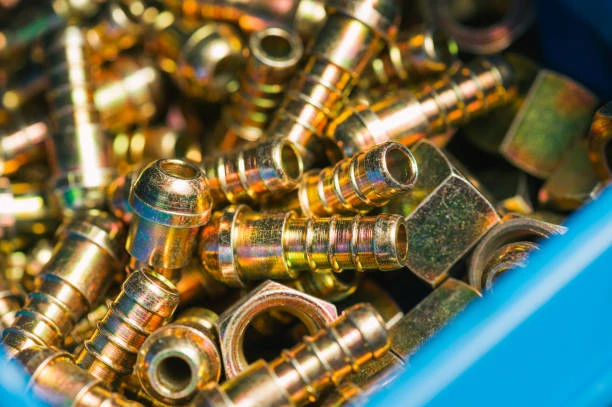
Various types of connectors and fittings enable smooth integration of throttle valves into piping systems. Flanged, threaded, and welded connections ensure a secure fit, preventing leaks and pressure loss. Quick-connect fittings simplify installation and maintenance, reducing downtime. Selecting the right fitting type ensures compatibility with system requirements and enhances overall reliability.
5. Position Indicators for Precise Monitoring
Position indicators help operators determine the exact opening or closing position of a throttle valve. Mechanical indicators use visual markers, while digital sensors provide real-time feedback to control systems. In automated setups, these indicators work with actuators to adjust valve positions dynamically, ensuring accurate flow regulation. Clear position feedback improves system efficiency and safety.
6. Filters and Strainers for Protection
Filters and strainers protect throttle valves from debris, contaminants, and particles that could cause wear or blockages. Mesh filters or perforated strainers remove impurities from the fluid before reaching the valve. In gas systems, specialized filters prevent dust and moisture from affecting valve components. Installing appropriate filtration accessories extends valve lifespan and reduces maintenance frequency.
7. Temperature and Pressure Sensors for System Optimization
Temperature and pressure sensors provide critical data for throttle valve operation. By monitoring system conditions, these sensors help adjust valve settings to maintain stable performance. In high-precision applications, integrated sensor systems communicate with actuators to optimize fluid flow automatically. This real-time monitoring enhances efficiency and prevents potential damage due to extreme operating conditions.
8. Conclusion: Enhancing Throttle Valve Performance with the Right Accessories
Selecting the right accessories maximizes throttle valve efficiency, longevity, and reliability. Actuators enable automation, while seals and gaskets ensure leak-free operation. Connectors provide secure integration, and position indicators enhance monitoring capabilities. Filters protect against contaminants, and sensors optimize system performance. Investing in high-quality components improves overall functionality, making throttle valves more effective in a wide range of applications.
Product Standards
PPR ball valves comply with several international standards to ensure quality and performance. ISO 15874 and EN 15874 establish the requirements for PPR piping systems, including mechanical properties and durability. ASTM F2389 defines the specifications for polypropylene pipes and fittings used in pressurized applications. DIN 8077/8078 sets the dimensional and material requirements for PPR pipes, ensuring compatibility with various valve types. GB/T 18742 outlines the technical parameters for PPR piping systems in China, covering aspects such as pressure resistance and thermal stability. NBR 15884 serves as the Brazilian standard for PPR pipes, guaranteeing compliance with local plumbing regulations. These standards ensure that PPR ball valves deliver reliable performance in residential, commercial, and industrial applications.
Contact
IFAN is a professional manufacturer with 30 years of experience, dedicated to producing high-quality plastic pipes, fittings, and valves. Our products include brass valves, PPR valves, as well as various pipes and fittings to meet different customer needs. Whether you need plumbing and drainage pipes or valve products. IFAN can provide a diverse range of high-quality, cost-effective products to support your projects. Below is our contact information.
We will reply your email or fax within 24 hours.
You can call us at any time if there is any question on our production.
Pls Mailto:[email protected]








Recent Comments