
1. Introduction to Throttle Valve Adaptability
Throttle valves play a crucial role in regulating fluid flow across various industries. Their adaptability allows them to function efficiently in different environments, including gas pipelines, hydraulic systems, and industrial processing units. Engineers and manufacturers rely on throttle valves to manage flow rates, pressure levels, and energy consumption. Their ability to perform under different conditions makes them indispensable in many applications.
2. Compatibility with Various Fluids
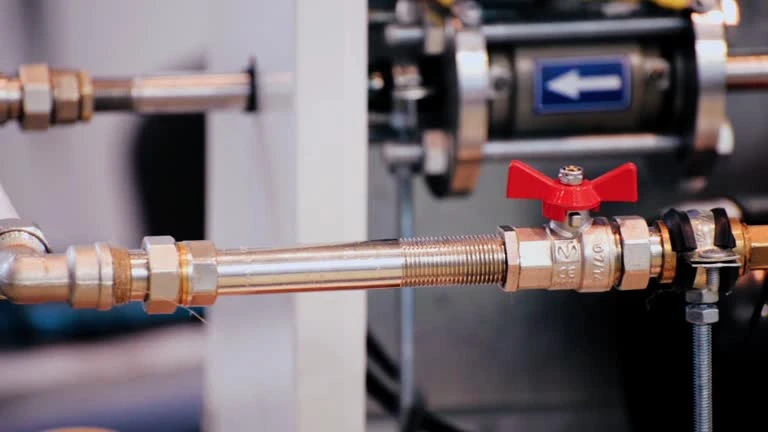
Throttle valves demonstrate excellent adaptability by handling different types of fluids, including gases, water, oil, and chemical solutions. Their material composition varies depending on the specific fluid requirements. Stainless steel throttle valves resist corrosion when exposed to aggressive chemicals, while brass valves work efficiently in water distribution systems. Custom coatings and seals further enhance their ability to operate with a wide range of fluids, ensuring long-term functionality.
3. Operation in Extreme Temperature Conditions
Many industrial applications require throttle valves that can withstand extreme temperature variations. In high-temperature environments, such as steam systems or combustion processes, manufacturers use heat-resistant alloys to prevent material degradation. In cryogenic applications, throttle valves regulate the flow of liquefied gases without losing structural integrity. Their ability to maintain performance in extreme conditions highlights their adaptability to demanding operational settings.
4. Pressure Regulation Across Different Systems
Throttle valves excel in adapting to various pressure conditions, making them ideal for both low-pressure and high-pressure systems. In hydraulic circuits, they fine-tune the pressure to optimize equipment performance. In gas distribution networks, they help control pressure fluctuations to ensure stable and safe operations. Engineers select different valve designs, such as needle-type or disk-type throttle valves, depending on the pressure requirements of the system.
5. Integration into Automated Systems
Modern industries demand automation, and throttle valves seamlessly integrate into automated control systems. Pneumatic and electronic actuators allow precise regulation of fluid flow without manual intervention. Sensors and programmable logic controllers (PLCs) enhance their adaptability by adjusting valve positions in real-time based on system conditions. This capability makes them essential in industries where efficiency and precision matter most.
6. Space-Efficient and Modular Designs
Throttle valves provide adaptability in space-constrained environments due to their compact and modular designs. Many industrial systems require valves that fit within tight piping arrangements without compromising functionality. Manufacturers offer different mounting options, including flanged, threaded, or welded connections, to suit various installation requirements. Their space-efficient nature allows seamless integration into complex piping networks.
7. Durability and Low Maintenance Requirements
Long-term performance remains a key factor in throttle valve adaptability. High-quality materials and precision engineering ensure durability in demanding conditions. Self-lubricating components reduce friction, minimizing wear and tear. Easy-to-replace seals and seats simplify maintenance procedures, allowing quick servicing without significant downtime. Their ability to maintain efficiency with minimal maintenance enhances their reliability in critical applications.
8. Conclusion: A Versatile Solution for Flow Control
Throttle valves provide unmatched adaptability in fluid control applications. Their compatibility with different fluids, resistance to extreme temperatures, and ability to regulate pressure make them a versatile choice for various industries. Integration into automated systems, space-efficient designs, and long-lasting durability further enhance their effectiveness. Whether used in gas distribution, hydraulic circuits, or chemical processing, throttle valves continue to prove their adaptability as a reliable and efficient solution for flow control.
Product Standards
PPR ball valves comply with several international standards to ensure quality and performance. ISO 15874 and EN 15874 establish the requirements for PPR piping systems, including mechanical properties and durability. ASTM F2389 defines the specifications for polypropylene pipes and fittings used in pressurized applications. DIN 8077/8078 sets the dimensional and material requirements for PPR pipes, ensuring compatibility with various valve types. GB/T 18742 outlines the technical parameters for PPR piping systems in China, covering aspects such as pressure resistance and thermal stability. NBR 15884 serves as the Brazilian standard for PPR pipes, guaranteeing compliance with local plumbing regulations. These standards ensure that PPR ball valves deliver reliable performance in residential, commercial, and industrial applications.
Contact
IFAN is a professional manufacturer with 30 years of experience, dedicated to producing high-quality plastic pipes, fittings, and valves. Our products include brass valves, PPR valves, as well as various pipes and fittings to meet different customer needs. Whether you need plumbing and drainage pipes or valve products. IFAN can provide a diverse range of high-quality, cost-effective products to support your projects. Below is our contact information.
We will reply your email or fax within 24 hours.
You can call us at any time if there is any question on our production.
Pls Mailto:[email protected]









Recent Comments