
Introduction: Choosing the Right Connection Matters
When installing a brass ball valve, one decision can change everything—should you use a threaded or soldered connection? Both options serve the same purpose: controlling water or fluid flow. However, their installation method, durability, and suitability vary greatly.
If you’re a homeowner, plumber, or DIY enthusiast, understanding the difference helps you avoid leaks, save time, and ensure safety. In this guide, we compare threaded and soldered brass ball valves in detail, so you can confidently choose what fits your system best.
What Is a Threaded Brass Ball Valve?
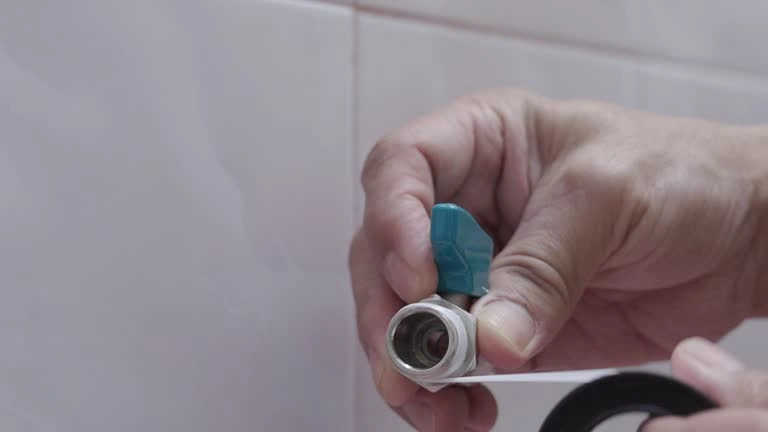
Threaded brass ball valves use screw-type threads to connect to pipes. You simply wrap Teflon tape around the pipe threads, align the valve, and tighten it with a wrench.
This method works well with galvanized, brass, or plastic piping. Most threaded valves follow NPT (National Pipe Thread) standards in the U.S. or BSP (British Standard Pipe) threads in other countries.
Threaded valves allow easy installation, removal, and replacement. Because of this, they work best in residential plumbing, irrigation systems, and applications that may need future servicing.
What Is a Soldered Brass Ball Valve?
Soldered brass ball valves require you to sweat the joint using a torch and solder. First, you clean the pipe and valve ends, apply flux, fit them together, and heat the joint until the solder melts and seals the connection.
This method creates a permanent, leak-proof bond—ideal for copper piping systems. Though it demands skill and precision, soldering results in a clean, compact connection that lasts for decades.
Soldered valves often appear in new construction, boiler installations, and high-pressure water lines where long-term reliability is critical.
Pros of Threaded Brass Ball Valves
Threaded brass valves offer several advantages that appeal to both professionals and DIYers:
- Easy Installation: No flame or heat required—just a wrench and sealant tape.
- Quick Replacement: You can unscrew and swap the valve if it wears out.
- Safe for Beginners: No fire risk makes it suitable for indoor or flammable areas.
- Works with Various Materials: Connects to brass, galvanized, or plastic pipe.
- Minimal Tools Needed: No need for a torch, flux, or soldering gear.
Therefore, threaded valves are perfect for temporary setups, small repairs, or flexible plumbing designs.
Cons of Threaded Brass Ball Valves
Despite their convenience, threaded valves also have drawbacks:
- Leak Risk: Improper sealing or over-tightening can cause slow leaks.
- Thread Wear Over Time: Repeated tightening can wear threads or strip them.
- Bulky Connections: Threaded joints often take more space than soldered ones.
- Alignment Issues: Threads must line up perfectly to avoid strain or leaks.
- Not for Permanent Installations: They may loosen due to vibration or pressure shifts.
So, although user-friendly, threaded valves may not be ideal for every plumbing job.
Pros of Soldered Brass Ball Valves
Soldered valves bring a different set of strengths, especially in professional installations:
- Strong and Permanent: Once installed, they rarely fail or leak.
- Clean Appearance: The joints are sleek and space-saving.
- Perfect for Copper Systems: Soldering forms a seamless bond with copper pipes.
- No Thread Maintenance: No risk of stripped or misaligned threads.
- Long-Term Durability: Excellent for heating, high-pressure, and permanent water lines.
This makes soldered valves a top choice when stability and clean design matter most.
Cons of Soldered Brass Ball Valves
However, soldering has its challenges:
- Requires Skill: Beginners may struggle with torch control and heat distribution.
- Fire Hazard: Open flame is risky around insulation, wood, or flammable gas.
- Not Removable: Once installed, removing soldered valves takes cutting and rework.
- Time-Consuming: Cleaning, heating, and cooling take longer than threading.
- Not Ideal for Emergency Repairs: You can’t solder a valve when pipes are wet or pressurized.
Thus, while soldering is reliable, it’s not always practical in urgent or tight situations.
When to Use Threaded vs Soldered
Knowing when to choose each type helps you avoid mistakes. Use threaded brass valves when:
- You need fast, safe installation.
- The system may need future valve replacements.
- You’re connecting to plastic or steel pipe.
- You’re working in a tight area with limited ventilation.
Choose soldered brass valves when:
- You’re building a permanent system with copper pipes.
- Clean aesthetics and space-saving design matter.
- You want a high-pressure, tamper-resistant joint.
- You’re experienced in soldering and have the right tools.
Evaluate your project’s needs, pipe type, and working conditions before choosing.
Cost and Availability Comparison
Both valve types come in similar sizes, but prices vary slightly. Threaded valves cost a bit more due to extra machining. However, they save money on labor and tools.
Soldered valves are often cheaper upfront, but you’ll need flux, solder, and a torch, which adds cost. If you already have those tools, soldering becomes more economical for large jobs.
In terms of availability, both are widely sold in hardware stores and online. Threaded valves are more common in DIY sections, while soldered valves target professional plumbing aisles.
Conclusion: Choose What Works Best for Your System
Both threaded and soldered brass ball valves offer reliable shut-off control—but each fits different needs. If you value speed, flexibility, and ease of use, go for threaded valves. On the other hand, if you want a long-lasting, permanent seal, soldered valves deliver the strength you need.
The best choice depends on your tools, pipe type, and installation goals. With this knowledge, you can now make a confident decision—and avoid costly mistakes.
IFAN Product International Standard
IFAN designs its piping and valve products to meet a wide range of international standards, ensuring global compatibility and trusted performance. The company strictly follows ISO 15875 and BS EN ISO 15875, which define the requirements for PEX pipes used in hot and cold water systems. IFAN also complies with GB/T 18992, the Chinese national standard, and DIN 16892, the German specification for plastic piping systems, to guarantee regional quality and reliability.
To meet North American requirements, IFAN products are certified under ASTM F877 and ASTM F2788, ensuring safe use in hot and cold water distribution. In the UK, IFAN adheres to the BS 7291 standard, which applies to polybutylene and polyethylene systems in residential and commercial buildings. Additionally, CSA B137 certification confirms IFAN’s compliance with Canadian plumbing standards.
By meeting these rigorous international benchmarks, IFAN delivers high-quality, dependable solutions trusted by professionals worldwide. This comprehensive compliance enhances product safety, boosts customer confidence, and supports IFAN’s strong presence in the global market.
Contact
IFAN is a professional manufacturer with 30 years of experience, dedicated to producing high-quality plastic pipes, fittings, and valves. Our products include brass valves, PPR valves, as well as various pipes and fittings to meet different customer needs. Whether you need plumbing and drainage pipes or valve products. IFAN can provide a diverse range of high-quality, cost-effective products to support your projects. Below is our contact information.
We will reply your email or fax within 24 hours.
You can call us at any time if there is any question on our production.
Pls Mailto:[email protected]







Recent Comments