
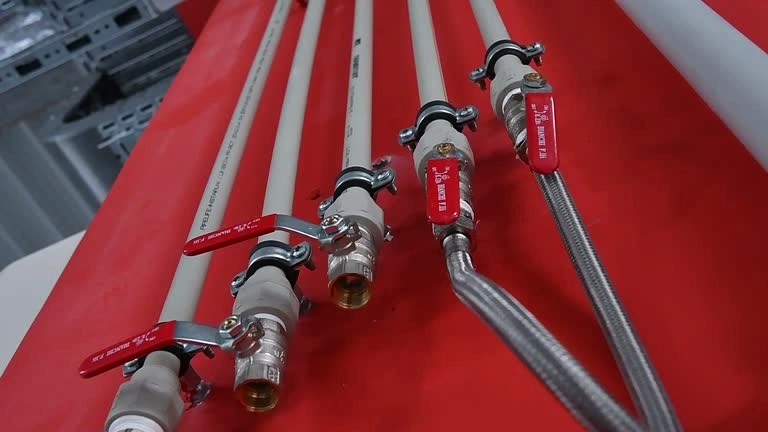
Introduction: Why Mini Ball Valves Matter in Small Spaces
Mini ball valves may seem insignificant at first glance, yet they solve big problems in tight spaces. Whether you’re installing a compact water filtration system, repairing under-sink pipes, or building a custom DIY irrigation setup, these valves provide simple and reliable shut-off control.
Because of their small size, they easily fit in areas where full-size valves won’t work. At the same time, their brass construction ensures strength, durability, and corrosion resistance. In this guide, we’ll explore why mini ball valves offer smart solutions for both beginners and experienced DIYers.
What Is a Mini Ball Valve?
A mini ball valve is a compact shut-off valve made from solid brass. It uses a small internal ball with a hole through its center. When you turn the handle, the ball rotates, either allowing or blocking flow.
This simple mechanism allows fast operation with a quarter-turn handle. Despite their small size, mini ball valves deliver full flow when open, which makes them more efficient than needle valves or compression valves.
In addition, brass resists corrosion, handles high pressure, and works well with both hot and cold water. That’s why many plumbers and hobbyists rely on them for tight, indoor, or hidden spaces.
Where to Use Mini Ball Valves
Mini ball valves fit wherever larger valves don’t. You’ll find them in:
- Water purifiers
- Home brewing systems
- Aquarium setups
- Under-sink installations
- Automotive or marine projects
- Compact heating systems
For example, if you’re building a water filter with limited cabinet space, a standard valve may stick out too far. A mini valve, on the other hand, fits perfectly and still lets you shut off flow with ease.
Therefore, these valves offer a practical solution where space is tight but reliability still matters.
Key Benefits of Mini Brass Ball Valves
Mini brass ball valves offer several clear advantages over other options. First, they save space, which is essential for modern plumbing or compact system designs. Their reduced size means you can place them closer to walls or inside tight panels.
Second, brass construction adds durability. Unlike plastic valves, brass resists temperature changes, pressure, and wear. This makes mini brass valves ideal for both indoor and outdoor use.
Third, their design allows fast operation. A quick quarter-turn controls flow fully. As a result, even inexperienced users can operate them without struggle.
Lastly, installation is simple. Most come with male or female threads that fit standard plumbing connectors. So, you can easily attach them without special tools.
How to Choose the Right Mini Ball Valve
With so many options available, how do you pick the best one? Start by considering these key features:
- Thread Type: Choose BSP or NPT based on your pipe system.
- Thread Size: Common sizes include 1/4″, 3/8″, and 1/2″.
- Material Quality: Look for heavy-duty brass, not lightweight or hollow bodies.
- Handle Design: Lever-style handles provide better grip than plastic knobs.
- Working Pressure: Ensure the valve suits your system’s PSI.
If you’re not sure which to buy, bring a sample fitting to the store or check with the manufacturer. That way, you won’t waste time or money on the wrong item.
Installation Tips for DIY Users
Installing a mini brass ball valve is simple, even for first-timers. Follow these tips to get the job done right:
- Shut Off the Main Water Supply before starting.
- Clean the Threads of the connecting pipe thoroughly.
- Apply Thread Sealant Tape (Teflon tape) in a clockwise direction.
- Screw the Valve by Hand, then tighten with a wrench carefully.
- Check the Alignment of the handle for proper opening and closing.
- Turn the Water Back On, then test for leaks.
Avoid overtightening, which could crack the brass. If you see a slow leak, reapply sealant tape and reconnect. With careful work, your installation will last for years.
Common Mistakes to Avoid
To prevent issues down the line, watch out for these common errors:
- Using the Wrong Thread Type: BSP and NPT look similar but won’t seal properly together.
- Overtightening Threads: This damages the valve or pipe and may cause cracks.
- Skipping the Sealant Tape: Even brass-on-brass connections can leak without tape or compound.
- Installing in the Wrong Direction: Some valves are directional. Always follow the flow arrow.
- Forgetting to Test: Always check for leaks immediately after installation.
Avoiding these pitfalls ensures a safer, cleaner, and more efficient plumbing system.
Ideal Projects for Mini Ball Valves
Mini ball valves prove useful in countless projects. For DIYers, here are a few examples:
- Rainwater Collection Systems: Place valves at each outlet for controlled use.
- Aquaponic Systems: Use mini valves to manage water levels in grow beds.
- Home Coffee Machines: Add shut-off points for easy maintenance.
- Van Life Plumbing: These compact valves fit neatly in small campers or tiny homes.
- Custom Sprinkler Systems: Install valves at each branch to isolate zones.
Clearly, the applications go far beyond plumbing repairs. With creativity and the right fittings, mini brass valves can upgrade almost any system.
Conclusion: Small Valve, Big Impact
Mini brass ball valves may be compact, but their impact is huge. They offer precise control, save space, and resist wear—making them ideal for tight installations. Whether you’re a hobbyist, homeowner, or plumber, these small tools bring big value to your project.
So next time you need to control flow in a small space, skip the bulky fittings and reach for a reliable mini brass valve instead.
IFAN Product International Standard
IFAN designs its piping and valve products to meet a wide range of international standards, ensuring global compatibility and trusted performance. The company strictly follows ISO 15875 and BS EN ISO 15875, which define the requirements for PEX pipes used in hot and cold water systems. IFAN also complies with GB/T 18992, the Chinese national standard, and DIN 16892, the German specification for plastic piping systems, to guarantee regional quality and reliability.
To meet North American requirements, IFAN products are certified under ASTM F877 and ASTM F2788, ensuring safe use in hot and cold water distribution. In the UK, IFAN adheres to the BS 7291 standard, which applies to polybutylene and polyethylene systems in residential and commercial buildings. Additionally, CSA B137 certification confirms IFAN’s compliance with Canadian plumbing standards.
By meeting these rigorous international benchmarks, IFAN delivers high-quality, dependable solutions trusted by professionals worldwide. This comprehensive compliance enhances product safety, boosts customer confidence, and supports IFAN’s strong presence in the global market.
Contact
IFAN is a professional manufacturer with 30 years of experience, dedicated to producing high-quality plastic pipes, fittings, and valves. Our products include brass valves, PPR valves, as well as various pipes and fittings to meet different customer needs. Whether you need plumbing and drainage pipes or valve products. IFAN can provide a diverse range of high-quality, cost-effective products to support your projects. Below is our contact information.
We will reply your email or fax within 24 hours.
You can call us at any time if there is any question on our production.
Pls Mailto:[email protected]










Recent Comments