
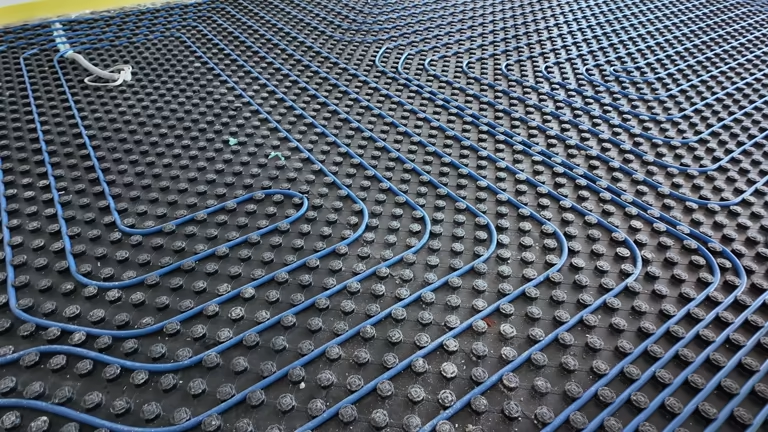
Polypipe underfloor heating systems represent a modern and highly efficient method for heating homes and commercial spaces. This innovative solution uses a network of pipes installed beneath the floor to distribute warmth evenly across a room. Unlike traditional radiators, which can create uneven heat and occupy wall space, underfloor heating from Polypipe offers consistent comfort, energy savings, and a discreet appearance. Homeowners and builders increasingly choose this system for its reliability and performance. In this comprehensive guide, we will explore the key aspects of Polypipe underfloor heating, including its definition, features, applications, and address common questions to help you understand its full potential.
Basic Definition and Key Features
Polypipe underfloor heating is a type of radiant heating system that utilizes flexible pipes made from durable materials like polyethylene. These pipes get installed beneath the floor surface, carrying warm water to heat the space above. The system integrates with various heat sources, such as boilers or heat pumps, making it versatile for different settings.
One of the standout features of Polypipe underfloor heating is its energy efficiency. By operating at lower temperatures than conventional radiators, it reduces energy consumption and lowers utility bills. Additionally, the system provides uniform heat distribution, eliminating cold spots and ensuring every corner of the room stays warm. The design is incredibly space-saving since there are no visible radiators, allowing for more freedom in interior decoration. Polypipe products are known for their quality and longevity, often coming with robust warranties. The installation process, while requiring professional help, is straightforward with Polypipe’s modular components, which simplify fitting and maintenance.
Transitioning to another important aspect, the versatility of these systems makes them suitable for a wide range of environments.
Common Uses and Application Industries
Polypipe underfloor heating finds applications in both residential and commercial sectors due to its adaptability and performance. In homes, people frequently install it in living areas, bathrooms, and kitchens to enhance comfort without sacrificing style. It is particularly popular in new constructions and renovations where modern heating solutions are prioritized. The system works well with various floor types, including tile, wood, and laminate, making it a flexible choice for any room design.
Beyond residential use, commercial buildings such as offices, hotels, and retail spaces benefit greatly from Polypipe underfloor heating. In these settings, the system contributes to a pleasant environment for occupants while managing energy costs effectively. Industries like healthcare and education also adopt this heating method for its hygiene benefits, as it reduces dust circulation compared to forced-air systems. Moreover, underfloor heating supports sustainability goals by integrating with renewable energy sources, such as solar thermal or geothermal systems. This wide applicability underscores its role as a forward-thinking solution for diverse heating needs.
Now, let us address some common questions users have about Polypipe underfloor heating.
Frequently Asked Questions (FAQ)
How does Polypipe underfloor heating work?
The system circulates warm water through a series of pipes hidden under the floor. This heat radiates upward, warming the room evenly from the ground up. A manifold controls the water flow, and thermostats help maintain the desired temperature, ensuring efficient operation.
What are the installation requirements?
Installation requires a professional to ensure proper setup. The process involves insulating the subfloor, laying the pipes in a specific pattern, and connecting them to a central manifold. It is best suited for spaces with enough floor height to accommodate the system without issues.
Can it be used with existing heating systems?
Yes, Polypipe underfloor heating can complement existing radiators or other heaters. It often serves as the primary heat source, but integration with traditional systems is possible, especially in hybrid setups during renovations.
Is underfloor heating expensive to run?
While the initial installation cost might be higher than traditional systems, the operational expenses are generally lower due to its energy efficiency. The reduced energy consumption can lead to significant savings on bills over time.
How long does the system last?
With proper installation and maintenance, Polypipe underfloor heating can last for decades. The pipes are highly durable and resistant to corrosion, often outlasting the building itself without needing replacement.
Conclusion
In summary, Polypipe underfloor heating offers an efficient, comfortable, and versatile solution for modern heating needs. Its ability to provide even heat distribution, save energy, and integrate seamlessly into various settings makes it a preferred choice for homeowners and industries alike. Whether for new builds or retrofits, this system supports sustainability and enhances living comfort. By understanding its features and applications, you can make an informed decision about adopting this innovative technology for your space. Embrace the future of heating with Polypipe underfloor heating, and enjoy a warmer, more efficient environment.
IFAN’s international standards
IFAN products comply with multiple international standards, including BS 3505, BS 4346, ASTM D1785 SCH40, ASTM D1785 SCH80, DIN, GB, DWV, ASTM D2665, ASTM D2241, ASTM D2729, ASTM F441/F441M, ISO 1452 Series standards, EN ISO 1452, DIN 8061/8062, GB/T 10002 Series standards, AS/NZS 1477, JIS K6741, CSA B137.3, NSF/ANSI 14, TIS 17-2532/1131-2535, among others. These certifications ensure that IFAN piping systems meet global requirements for safety, durability, and performance.
Contact
IFAN is a professional manufacturer with 30 years of experience, dedicated to producing high-quality plastic pipes, fittings, and valves. Our products include brass valves, PPR valves, as well as various pipes and fittings to meet different customer needs. Whether you need plumbing and drainage pipes or valve products. IFAN can provide a diverse range of high-quality, cost-effective products to support your projects. Below is our contact information.
We will reply your email or fax within 24 hours.
You can call us at any time if there is any question on our production.
Pls Mailto:[email protected]







Recent Comments