
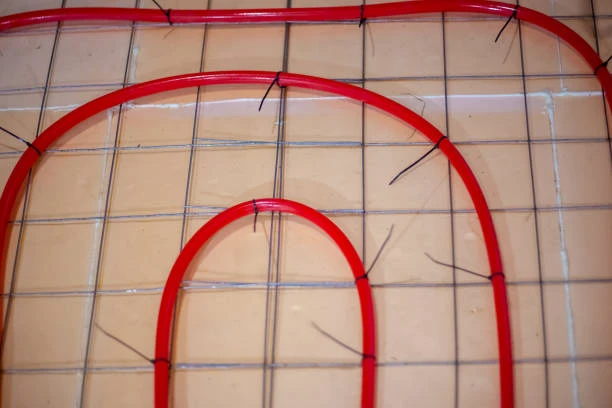
Polypipe underfloor heating systems deliver exceptional results in comfort, efficiency, and performance for both residential and commercial spaces. By opting for this advanced heating solution, users experience consistent warmth, lower energy bills, and enhanced indoor air quality. This system eliminates cold spots and provides a discreet, space-saving alternative to traditional radiators. In this detailed article, we explore the outcomes of installing Polypipe underfloor heating, covering its fundamental features, practical applications, and addressing common queries. Whether you are a homeowner or a industry professional, understanding these results will help you appreciate the value of this innovative heating technology.
Basic Definition and Key Features
Polypipe underfloor heating is a hydronic system that uses a network of flexible pipes installed beneath the floor to distribute warm water, radiating heat evenly across the room. This method ensures efficient energy use and superior comfort compared to conventional heating systems. Key features include high durability due to robust polyethylene materials, compatibility with various heat sources like boilers and heat pumps, and easy integration with smart thermostats for precise temperature control. The system operates silently and requires minimal maintenance, resulting in long-term reliability. Additionally, its low operating temperatures reduce energy consumption, leading to cost savings and environmental benefits. These characteristics collectively contribute to outstanding performance and user satisfaction.
Transitioning to its practical benefits, the system’s versatility allows for widespread use across different settings.
Common Uses and Application Industries
The results of implementing Polypipe underfloor heating are evident in its diverse applications. In residential buildings, homeowners enjoy enhanced comfort in living rooms, kitchens, and bathrooms, with the system working seamlessly under tile, wood, or carpet floors. For commercial spaces such as offices, hotels, and retail stores, it provides efficient heating that improves occupant comfort while reducing operational costs. Industries like healthcare and education also benefit from its hygienic properties, as it minimizes air movement and dust accumulation. Moreover, the system supports green building initiatives by pairing with renewable energy sources, resulting in lower carbon footprints. This adaptability makes Polypipe underfloor heating a preferred choice for new constructions and renovations alike.
Now, let’s address some frequently asked questions to clarify the outcomes users can expect.
Frequently Asked Questions (FAQ)
What results can I expect in terms of comfort?
You will experience even heat distribution throughout the room, eliminating cold spots and providing consistent warmth from the floor up. This creates a cozy environment without the noise and drafts associated with forced-air systems.
How does this system impact energy bills?
By operating at lower temperatures and reducing heat loss, Polypipe underfloor heating can lower energy consumption by up to 25% compared to traditional radiators. This results in significant cost savings over time.
Are there any maintenance requirements?
The system requires minimal maintenance due to its durable design and hidden installation. Occasional checks of the manifold and thermostat ensure optimal performance, but the pipes themselves rarely need attention.
Can it be used with cooling systems?
Yes, some Polypipe systems can also provide cooling by circulating chilled water, offering year-round climate control and enhancing overall comfort.
What is the typical installation timeline?
Professional installation usually takes a few days, depending on the space size. While it might temporarily disrupt household activities, the long-term results justify the initial effort.
Conclusion
In conclusion, choosing Polypipe underfloor heating leads to remarkable results in energy efficiency, comfort, and sustainability. Its innovative design ensures even heat distribution, cost savings, and compatibility with various applications, from homes to commercial spaces. By addressing common concerns and highlighting its features, we hope this guide helps you make an informed decision. Embrace Polypipe underfloor heating for a warmer, more efficient, and comfortable living or working environment. The outcomes speak for themselves—enhanced quality of life and a smarter way to heat your space.
IFAN’s international standards
IFAN products comply with multiple international standards, including BS 3505, BS 4346, ASTM D1785 SCH40, ASTM D1785 SCH80, DIN, GB, DWV, ASTM D2665, ASTM D2241, ASTM D2729, ASTM F441/F441M, ISO 1452 Series standards, EN ISO 1452, DIN 8061/8062, GB/T 10002 Series standards, AS/NZS 1477, JIS K6741, CSA B137.3, NSF/ANSI 14, TIS 17-2532/1131-2535, among others. These certifications ensure that IFAN piping systems meet global requirements for safety, durability, and performance.
Contact
IFAN is a professional manufacturer with 30 years of experience, dedicated to producing high-quality plastic pipes, fittings, and valves. Our products include brass valves, PPR valves, as well as various pipes and fittings to meet different customer needs. Whether you need plumbing and drainage pipes or valve products. IFAN can provide a diverse range of high-quality, cost-effective products to support your projects. Below is our contact information.
We will reply your email or fax within 24 hours.
You can call us at any time if there is any question on our production.
Pls Mailto:[email protected]





Recent Comments