
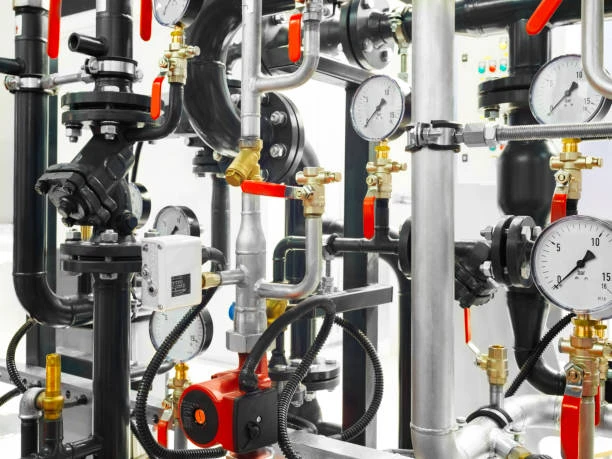
The price of copper valves influences many aspects of industries and markets worldwide. These valves play a crucial role in plumbing, heating systems, and industrial applications, making their cost a key concern for manufacturers, contractors, and consumers. Fluctuations in the price of copper valves lead to significant consequences in supply chains, project costs, and business strategies. This article explores the major results of changes in the price of copper valves and how different sectors respond to these shifts.
Impact on Construction and Plumbing Costs
Higher copper valve prices increase construction and plumbing expenses. Contractors and builders rely on these components for water supply systems, heating installations, and gas networks. When prices rise, overall project budgets expand, forcing construction companies to adjust their pricing strategies. Homebuilders and commercial developers often transfer these extra costs to clients, making housing and infrastructure projects more expensive. Lower copper valve prices, on the other hand, reduce material costs, allowing builders to offer more competitive pricing and complete projects within budget.
Effects on Manufacturing and Industrial Production
Factories and industries that use copper valves in their machinery and pipelines experience cost fluctuations based on valve prices. When copper valve prices rise, manufacturers face higher expenses for essential components, leading to increased production costs. Companies producing HVAC systems, water treatment equipment, and industrial boilers must decide whether to absorb the additional costs or increase the prices of their products. A drop in copper valve prices benefits manufacturers by lowering expenses and improving profit margins, making their products more affordable and attractive to buyers.
Influence on Consumer Prices
The price of copper valves directly affects consumers who purchase plumbing and heating products. When manufacturers and distributors pay more for copper valves, they raise the prices of faucets, boilers, and plumbing systems. Homeowners and businesses looking to install or replace these systems face higher costs, making renovations and repairs more expensive. In contrast, when copper valve prices decrease, consumers benefit from lower product prices, allowing them to afford higher-quality systems or complete projects at a reduced cost.
Market Competition and Supplier Strategies
Competition among suppliers and manufacturers changes based on copper valve pricing trends. When prices rise, companies must find ways to remain competitive, either by reducing production costs, offering discounts, or improving product quality. Some businesses shift their focus to alternative materials, such as plastic or stainless steel valves, to offer cost-effective solutions. Lower copper valve prices enable manufacturers to expand their product lines, invest in innovation, and strengthen their market position. The level of competition often determines whether price fluctuations benefit or challenge industry players.
Effects on Global Trade and Imports
International trade and imports of copper valves fluctuate based on price changes. Countries that rely on imported copper valves face increased costs when prices rise, affecting their industrial and infrastructure development. Importers may seek alternative suppliers from regions with lower production costs to offset expenses. When copper valve prices decline, global trade sees increased demand, with more businesses and governments investing in large-scale plumbing and construction projects. Exchange rates, tariffs, and transportation costs further amplify the effects of copper valve price changes on global trade.
Environmental and Sustainability Considerations
High copper valve prices encourage businesses to explore alternative materials and sustainable production methods. Manufacturers invest in recycling processes to reduce dependence on newly mined copper, lowering costs and minimizing environmental impact. Rising prices also drive research into composite materials and advanced coatings that improve valve performance while using less copper. On the other hand, when copper valve prices fall, companies may prioritize cost savings over sustainability efforts, relying more on traditional production methods that consume more natural resources.
Investment and Financial Market Reactions
Investors and financial markets closely monitor the price of copper valves as an indicator of economic trends. Higher prices suggest increased demand for construction and industrial projects, signaling economic growth. Investors in copper mining and valve manufacturing companies see stock values rise during periods of high copper prices. However, when copper valve prices drop, mining companies and related industries experience reduced profits, affecting market confidence. Businesses must adjust their investment strategies based on these fluctuations to maintain stability and growth.
Conclusion
The price of copper valves creates a ripple effect across multiple industries, influencing construction costs, manufacturing expenses, consumer prices, and global trade. Market competition, sustainability efforts, and financial investments all shift based on price changes. Understanding these results allows businesses, contractors, and consumers to prepare for market fluctuations and make informed decisions. Whether prices rise or fall, their impact remains significant, shaping industries and economies worldwide.
Contact
IFAN is a professional manufacturer with 30 years of experience, dedicated to producing high-quality plastic pipes, fittings, and valves. Our products include brass valves, PPR valves, as well as various pipes and fittings to meet different customer needs. Whether you need plumbing and drainage pipes or valve products. IFAN can provide a diverse range of high-quality, cost-effective products to support your projects. Below is our contact information.
We will reply your email or fax within 24 hours.
You can call us at any time if there is any question on our production.
Pls Mailto: [email protected]
Whatsapp: + 86 19857948982










Recent Comments