
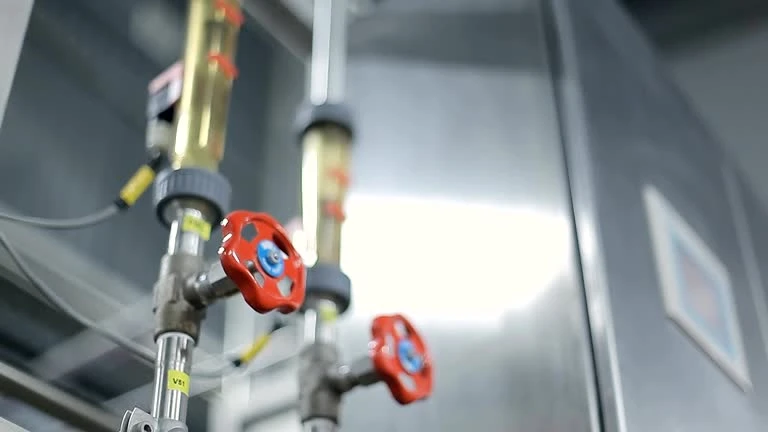
Copper valves are integral components in various fluid and gas systems. They provide reliable control over the flow of liquids and gases in both residential and industrial applications. Known for their durability and versatility, copper valves are used in a wide range of industries, from plumbing to HVAC (Heating, Ventilation, and Air Conditioning), to gas distribution. In this article, we will explore the key benefits, uses, and maintenance considerations of copper valves.
Superior Durability and Corrosion Resistance
Copper valves stand out for their exceptional durability. Copper is naturally resistant to corrosion, which makes it ideal for use in environments that experience moisture or exposure to harsh chemicals. In plumbing systems, for example, copper valves remain unaffected by the elements for years, preventing rust and scaling that can impede performance. The material’s resistance to corrosion ensures that copper valve maintain their integrity over time, reducing the need for frequent replacements. Whether used in hot or cold water systems, copper valves provide long-lasting, reliable performance.
Versatility Across Different Applications
One of the key reasons copper valves are so widely used is their versatility. These valves can be found in numerous systems, including residential plumbing, industrial pipelines, and even in specialized equipment like refrigeration and gas control systems. The flexibility of copper allows it to be molded into various valve types, such as ball valves, gate valves, and globe valves. This adaptability ensures that copper valve can be used in a variety of settings, each requiring a specific function. The wide range of valve sizes and designs also allows them to meet the demands of both high-pressure systems and smaller residential setups.
Excellent Heat Conductivity
Copper is well known for its high thermal conductivity, which makes it particularly useful in systems that deal with high temperatures. Copper valves, because of their excellent heat transfer properties, can efficiently handle the flow of hot water, steam, and other heated fluids. This capability is particularly beneficial in heating systems, industrial applications, and processes that require precise temperature control. The material can withstand extreme temperatures without warping or degrading. Ensuring that copper valves perform optimally even under the most demanding conditions.
Sustainable and Environmentally Friendly
Copper is a highly sustainable material, which adds to the appeal of copper valves. Unlike many other materials, copper can be recycled without losing its properties. This makes copper valves an environmentally friendly choice for systems aiming to reduce waste and improve sustainability. As industries continue to prioritize eco-friendly solutions, using copper valves in their infrastructure helps to lower the carbon footprint. Furthermore, copper’s natural antimicrobial properties help in preventing the growth of bacteria and algae in water systems, promoting cleaner and safer environments.
Easy Insta llation and Maintenance
The installation and maintenance of copper valves are relatively straightforward, making them an attractive option for both DIY projects and professional installations. Copper’s malleability allows it to be easily shaped, cut, and installed with minimal effort, reducing labor time. Additionally, copper valves require minimal maintenance when installed properly. Regular inspections and occasional lubrication can help ensure smooth operation. But beyond that, copper valve typically do not require extensive upkeep. This ease of maintenance helps reduce long-term costs and downtime in both residential and commercial systems.
Choosing the Right Copper Valve for Your Needs
When selecting a copper valve for your system, it is crucial to consider the specific requirements of your application. Factors such as pressure rating, flow rate, and temperature range must be carefully matched to ensure optimal performance. It’s also important to consider the specific design of the valve. For instance, ball valves offer quick and precise control over fluid flow, while gate valves are better for fully opening or closing the system. Consulting with a professional to choose the correct copper valve can prevent costly errors and ensure the long-term functionality of the system.
Conclusion
Copper valves offer a combination of durability, versatility, and efficiency that makes them indispensable in many industries. Whether you are working on a simple residential plumbing project or an industrial fluid handling system, copper valve provide reliable performance over time. Their corrosion resistance, heat conductivity, and environmental benefits make them a superior choice for controlling fluid flow. With proper installation and minimal maintenance, copper valves are a long-term solution for any system requiring dependable control and regulation.
Contact
IFAN is a professional manufacturer with 30 years of experience, dedicated to producing high-quality plastic pipes, fittings, and valves. Our products include brass valves, PPR valves, as well as various pipes and fittings to meet different customer needs. Whether you need plumbing and drainage pipes or valve products. IFAN can provide a diverse range of high-quality, cost-effective products to support your projects. Below is our contact information.
We will reply your email or fax within 24 hours.
You can call us at any time if there is any question on our production.
Pls Mailto: [email protected]
Whatsapp: + 86 19857948982









Recent Comments