
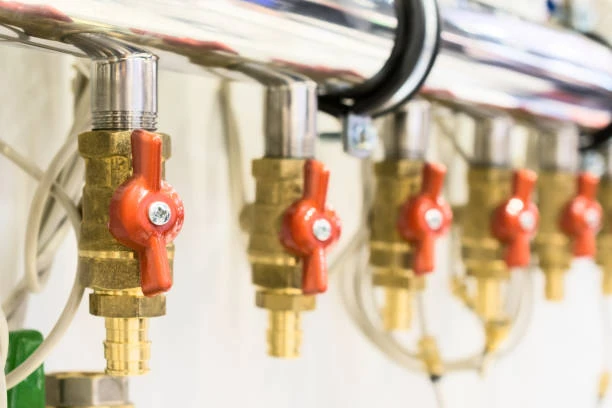
Copper valves are crucial components in plumbing, gas, and industrial systems. Their strength, durability, and versatility stem from the materials used in their construction. By understanding the composition of copper valves, you can better appreciate why they remain a preferred choice in various applications. This article will dive into the key elements that make up copper valves, their advantages, and why their composition is essential for reliable performance.
The Core Material: Copper
Copper serves as the core material in the construction of copper valves. It is favored for its excellent combination of properties, including corrosion resistance, high thermal conductivity, and strength. Copper’s ability to resist oxidation and degradation from exposure to air and water makes it an ideal material for systems that handle liquids, gases, and high temperatures. In copper valves, the material ensures the valve will remain functional and durable even in challenging environments. As a metal, copper is malleable, allowing manufacturers to shape it into various valve designs without compromising its structural integrity.
Alloy Additions: Strengthening Copper
Copper valves are not made of pure copper alone. Manufacturers often combine copper with other metals to create alloys that enhance the valve’s overall performance. The most common copper alloys used in valve production are brass and bronze. Brass, which is a combination of copper and zinc, is known for its strength and ability to withstand higher pressures. Bronze, made by combining copper with tin, offers improved corrosion resistance, especially in marine environments. These alloys add strength, wear resistance, and greater resistance to harsh chemicals or salty environments, ensuring the valve performs optimally under varying conditions.
The Role of Zinc in Brass Valves
Zinc plays a pivotal role in brass copper valves. When added to copper, zinc enhances the alloy’s mechanical properties, particularly its hardness and strength. The percentage of zinc in the brass alloy can vary depending on the desired properties. For instance, a higher zinc content generally increases the hardness of the material, while a lower zinc content can make the alloy more malleable and easier to work with. Brass valves are often used in plumbing systems because of their resistance to corrosion, ease of installation, and long service life. The specific zinc-copper ratio allows manufacturers to tailor the valve’s performance characteristics to meet particular operational demands.
The Benefits of Tin in Bronze Valves
Bronze valves are often preferred in highly corrosive environments, such as in saltwater or industrial applications. Tin, when alloyed with copper, imparts exceptional corrosion resistance, particularly against water and certain chemicals. The addition of tin makes the bronze alloy highly durable, even in harsh conditions where other metals might fail. Tin also helps in reducing friction between moving parts within the valve, which extends its lifespan and ensures smoother operation. Bronze copper valves are commonly used in marine applications, chemical processing, and systems that involve high-temperature fluids due to their resilience and enhanced longevity.
The Importance of Lead in Some Valves
In some copper alloy valves, manufacturers add lead to improve machinability and ease of manufacturing. Lead helps in reducing wear on tools and allows for more precise machining of valve components. While lead does not improve the overall strength or durability of the valve, it helps manufacturers produce complex valve designs quickly and efficiently. However, concerns over lead’s environmental impact and its potential toxicity have led to a decrease in its use in drinking water systems and food-related applications. As a result, some copper valve manufacturers use lead-free alloys, which still offer excellent machinability without the environmental concerns associated with lead.
Surface Treatments and Coatings
While the composition of copper valves largely revolves around the copper alloy, surface treatments and coatings play a significant role in enhancing the valve’s performance. Manufacturers often apply nickel plating, chrome plating, or lacquer coatings to the surface of copper valves to improve their resistance to corrosion and wear. Nickel plating, for example, provides a robust, protective layer that shields the valve from moisture, chemicals, and other harsh elements. These coatings extend the lifespan of copper valves, making them suitable for use in a wide variety of systems, including those involving high-pressure or aggressive fluids. Surface treatments also improve the aesthetic appeal of the valves, giving them a clean, polished finish that resists tarnishing and staining.
Conclusion
Copper valves owe their exceptional durability, strength, and versatility to the combination of copper and its alloying elements. The composition of these valves—whether through the addition of zinc in brass, tin in bronze, or nickel coatings—ensures that they can withstand demanding environments. Their corrosion resistance, high thermal conductivity, and machinability make them ideal for a range of applications, from residential plumbing to industrial systems. Understanding the materials and alloys that go into copper valves helps you appreciate their value and why they continue to be a reliable solution in modern infrastructure.
Contact
IFAN is a professional manufacturer with 30 years of experience, dedicated to producing high-quality plastic pipes, fittings, and valves. Our products include brass valves, PPR valves, as well as various pipes and fittings to meet different customer needs. Whether you need plumbing and drainage pipes or valve products. IFAN can provide a diverse range of high-quality, cost-effective products to support your projects. Below is our contact information.
We will reply your email or fax within 24 hours.
You can call us at any time if there is any question on our production.
Pls Mailto: [email protected]
Whatsapp: + 86 19857948982











Recent Comments