
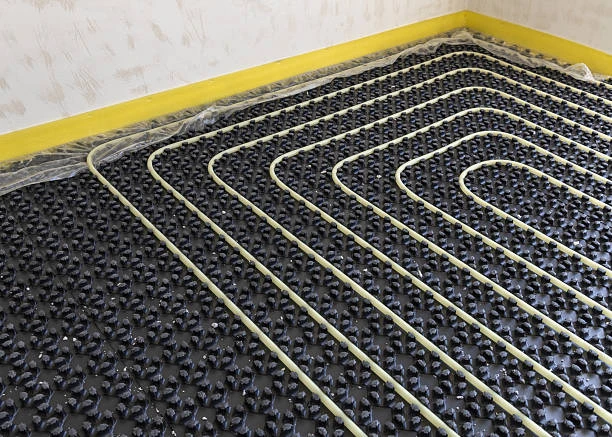
When we consider the infrastructure that keeps our transportation networks running, we often picture towering gantry cranes, sprawling railyards, and bustling ports. However, a critical layer of this complex system operates unseen, right beneath our feet. Underfloor pipes form a vital subterranean network, quietly ensuring the efficiency, safety, and functionality of various transport hubs. These concealed conduits manage everything from essential utilities to complex waste disposal, making them a foundational element of modern logistics and passenger transit.
More Than Just Plumbing: The Multifunctional Role of Underfloor Pipes
Underfloor pipes serve a surprisingly diverse range of functions within transport facilities. Their primary role involves distributing essential utilities to different building zones. For instance, they carry pressurized water for fire suppression systems, a critical safety feature in airports and railway stations. They also transport fuel and hydraulic fluid to service areas for ground support vehicles and maintenance equipment. Furthermore, these pipes handle drainage, efficiently removing wastewater and storm runoff from maintenance bays and public washrooms to prevent flooding and maintain hygienic operations.
Enhancing Efficiency in Maintenance and Repair Facilities
The strategic use of underfloor pipes dramatically improves workflow in vehicle maintenance depots, bus garages, and aircraft hangars. By routing utilities like compressed air, electricity, and water through the floor, these systems eliminate the need for cumbersome overhead hoses and cables. This creates a cleaner, safer, and more organized workspace. Mechanics can easily access utilities from floor-level outlets, allowing them to move around vehicles freely without tripping hazards. This streamlined setup reduces vehicle servicing times, increases technician productivity, and ultimately contributes to a faster turnaround for planes, trains, and buses.
Ensuring Safety and Regulatory Compliance
Safety is a paramount concern in transportation, and underfloor pipe systems contribute significantly to this goal. They help centralize and contain hazardous materials, such as fuel lines or chemical waste from cleaning processes, within secure, protected channels. This containment minimizes the risk of spills or leaks in operational areas, protecting both personnel and the environment. Moreover, a well-designed underfloor system ensures compliance with strict industry regulations regarding fluid management and fire safety. Proper segregation of pipes, for example, prevents any cross-contamination between potable water lines and industrial waste drains.
Design and Material Considerations for Longevity
Designing an effective underfloor pipe network requires careful planning and material selection. Engineers must consider factors like soil composition, load-bearing capacity, and potential exposure to corrosive substances. They often choose durable materials like high-density polyethylene (HDPE) or coated steel for their resistance to corrosion and abrasion. The design phase also involves mapping the optimal routes to avoid conflicts with other subterranean infrastructure, such as electrical conduits or foundation pilings. This foresight ensures system longevity and minimizes the need for disruptive, costly excavations for future repairs.
The Future of Subsurface Transport Infrastructure
The future of underfloor piping in transport is moving towards smarter, more integrated systems. We are seeing the development of pipes with built-in sensors that can monitor flow rates, detect leaks in real-time, and even predict maintenance needs. This data connects to central building management systems, allowing for proactive facility management. Additionally, the use of trenchless installation techniques, like directional drilling, reduces installation time and surface disruption. These innovations will make the hidden network of underfloor pipes even more reliable and efficient, further supporting the seamless movement of people and goods across the globe.
Don’t miss our giant sale event!
It’s the perfect time to shop for your family, so be sure to tell your friends and neighbors nearby to come along! To make your shopping trip easier, we offer multiple services including convenient parking, flexible payment options, and friendly assistance.
Come on down and see for yourself!
Where to find us:8507 Lorento Street Panama City Beach
IFAN’s international standards
IFAN products comply with multiple international standards, including BS 3505, BS 4346, ASTM D1785 SCH40, ASTM D1785 SCH80, DIN, GB, DWV, ASTM D2665, ASTM D2241, ASTM D2729, ASTM F441/F441M, ISO 1452 Series standards, EN ISO 1452, DIN 8061/8062, GB/T 10002 Series standards, AS/NZS 1477, JIS K6741, CSA B137.3, NSF/ANSI 14, TIS 17-2532/1131-2535, among others. These certifications ensure that IFAN piping systems meet global requirements for safety, durability, and performance.
Contact
IFAN is a professional manufacturer with 30 years of experience, dedicated to producing high-quality plastic pipes, fittings, and valves. Our products include brass valves, PPR valves, as well as various pipes and fittings to meet different customer needs. Whether you need plumbing and drainage pipes or valve products. IFAN can provide a diverse range of high-quality, cost-effective products to support your projects. Below is our contact information.
We will reply your email or fax within 24 hours.
You can call us at any time if there is any question on our production.
Pls Mailto:[email protected]







Recent Comments