
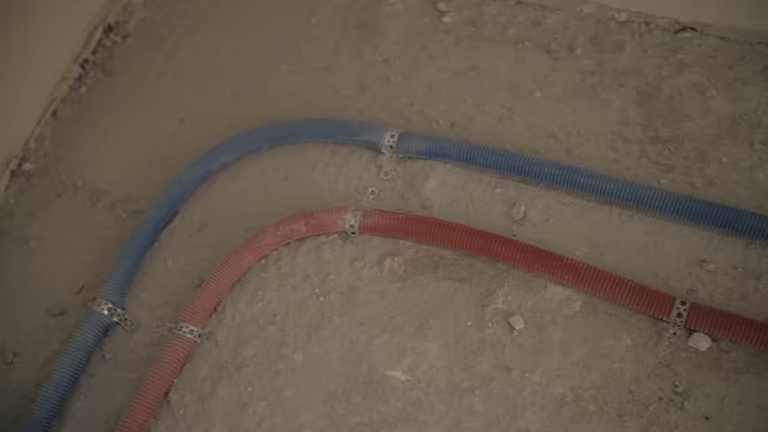
When we look at a modern building, we see its architectural design and interior finishes. However, the true intelligence of the structure often lies hidden beneath the surface. Underfloor pipes form a critical, concealed network that is fundamental to a building’s functionality and comfort. These systems manage essential services like heating, cooling, and water supply, making them a foundational component for residential, commercial, and industrial structures. Their integration into building design represents a significant advancement in how we create efficient and responsive living and working spaces.
Integrating Heating and Cooling Systems
A primary application of underfloor pipes in buildings is for radiant floor systems. This approach embeds a network of pipes within the floor structure to circulate temperature-controlled water. During winter, warm water flowing through the pipes radiates heat evenly upward, creating a comfortable room temperature without cold spots. Conversely, in summer, cooler water can absorb excess heat from the space. This method provides superior comfort compared to forced-air systems because it eliminates drafts and dust circulation. Furthermore, it operates quietly and efficiently, often integrating seamlessly with modern heat pumps and solar thermal collectors.
Distributing Water and Drainage Efficiently
Beyond climate control, underfloor pipes play a crucial role in a building’s plumbing infrastructure. They carry potable water to kitchens and bathrooms and provide an efficient pathway for wastewater drainage. Locating these pipes within the floor slab or a dedicated underfloor void offers several advantages. This design simplifies the routing of utilities to various points of use and minimizes the need for invasive vertical chases in walls. It also allows for greater flexibility in interior layout planning, as fixtures are not solely dependent on traditional wall-based plumbing stacks for connection.
Enhancing Design Flexibility and Space Utilization
The use of underfloor pipes significantly increases architectural design freedom. By moving many service lines out of the walls and into the floor structure, architects and designers gain more flexibility. They can create open-plan layouts without being constrained by the location of vertical plumbing chases or HVAC ducts. This approach also enables the use of demountable and movable walls, allowing building interiors to adapt easily to changing needs. Additionally, it contributes to cleaner aesthetics and improved space utilization, as there is less need for bulky radiators or exposed ductwork.
Ensuring Durability and Long-Term Performance
The success of an underfloor pipe system hinges on careful material selection and precise installation. Builders typically use durable, corrosion-resistant materials like cross-linked polyethylene (PEX) for water circuits and high-density polyethylene (HDPE) for drainage. Proper installation is paramount; this includes pressure testing all lines before enclosing them in concrete to ensure integrity. Adequate insulation around pipes is also critical to prevent thermal loss and protect against condensation. These meticulous steps ensure the system delivers reliable, long-term performance with minimal maintenance needs.
Paving the Way for Smarter, Sustainable Buildings
Underfloor piping is increasingly becoming a core element of intelligent and sustainable building design. These systems are perfectly suited for integration with renewable energy sources, such as geothermal heat pumps. Moreover, the underfloor space can accommodate pipes for greywater recycling systems, supporting water conservation efforts. Looking ahead, we can expect further innovation with the integration of smart sensors that monitor flow and temperature, enabling predictive maintenance and optimizing energy use. This hidden network is truly paving the way for more responsive, efficient, and sustainable buildings.
Don’t miss our giant sale event!
It’s the perfect time to shop for your family, so be sure to tell your friends and neighbors nearby to come along! To make your shopping trip easier, we offer multiple services including convenient parking, flexible payment options, and friendly assistance.
Come on down and see for yourself!
Where to find us:2642 Cityview Drive Philadelphia
IFAN’s international standards
IFAN products comply with multiple international standards, including BS 3505, BS 4346, ASTM D1785 SCH40, ASTM D1785 SCH80, DIN, GB, DWV, ASTM D2665, ASTM D2241, ASTM D2729, ASTM F441/F441M, ISO 1452 Series standards, EN ISO 1452, DIN 8061/8062, GB/T 10002 Series standards, AS/NZS 1477, JIS K6741, CSA B137.3, NSF/ANSI 14, TIS 17-2532/1131-2535, among others. These certifications ensure that IFAN piping systems meet global requirements for safety, durability, and performance.
Contact
IFAN is a professional manufacturer with 30 years of experience, dedicated to producing high-quality plastic pipes, fittings, and valves. Our products include brass valves, PPR valves, as well as various pipes and fittings to meet different customer needs. Whether you need plumbing and drainage pipes or valve products. IFAN can provide a diverse range of high-quality, cost-effective products to support your projects. Below is our contact information.
We will reply your email or fax within 24 hours.
You can call us at any time if there is any question on our production.
Pls Mailto:[email protected]









Recent Comments