
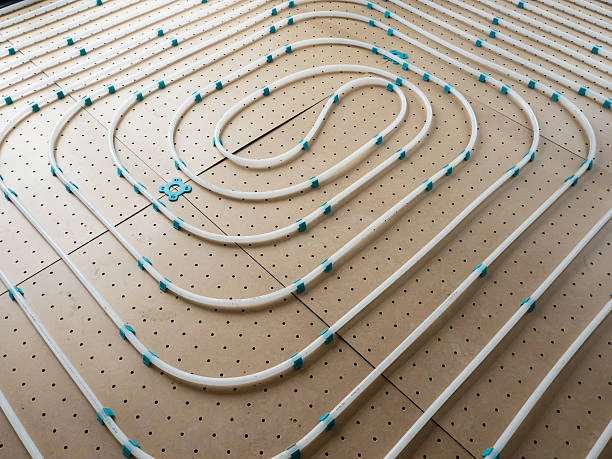
Imagine having a highly efficient floor heating system that keeps your home wonderfully warm while significantly reducing your energy bills. The secret to achieving this level of performance lies not just in the heating pipes themselves, but in a critical, often overlooked component: insulation. Proper insulation ensures the heat from your floor heating pipes travels upward into your living space, not downward into the subfloor. This guide will explore the vital importance of insulation for hydronic heating systems. We will delve into its key characteristics, answer common questions, and examine its diverse applications. Understanding this element will help you maximize comfort, efficiency, and cost savings from your radiant floor heating investment.
Basic Definition and Key Characteristics
Insulation for floor heating pipes is a specialized material. It is installed beneath the heating pipes. Its primary job is to create a thermal barrier. This barrier effectively reflects heat upward. It prevents wasteful heat loss into the concrete slab or subfloor.
This insulation boasts several important characteristics. Most products use rigid foam boards. These boards often consist of extruded polystyrene (XPS) or expanded polystyrene (EPS). These materials offer excellent thermal resistance, known as R-value. A higher R-value indicates better insulating power.
The insulation must also possess high compressive strength. It needs to support the weight of the concrete slab and floor covering above it. Furthermore, moisture resistance is a key feature. It prevents water vapor from degrading the material’s performance over time.
Many insulation panels feature a reflective foil surface. This aluminum layer acts as an additional radiant barrier. It directs the heat from the pipes toward the room. Some systems also include pre-formed grooves or studs. These features make installing the heating pipes much easier and faster.
Ultimately, this insulation ensures system efficiency. It allows for faster warm-up times and lower operating temperatures. This directly translates to reduced energy consumption and lower heating costs for the homeowner.
Frequently Asked Questions (FAQ)
1. Is insulation absolutely necessary for a floor heating system?
Yes, insulation is a critical requirement. Without it, a significant amount of heat will escape downward. This heat loss wastes energy and increases your bills. It also makes the system slower to warm up. Proper insulation is essential for performance and efficiency.
2. What type of insulation should I use under my heating pipes?
Experts highly recommend rigid foam insulation boards. Look for products made from XPS or EPS foam. These materials provide the best combination of high R-value and strong compression resistance. Always choose insulation specifically rated for under-slab applications.
3. How thick should the insulation layer be?
The ideal thickness depends on your situation. For floors above ground level, a minimum of 50mm is standard. For floors on the ground or over unheated spaces like garages, use thicker insulation. 75mm to 100mm provides much better thermal performance in these areas.
4. Can I install the heating pipes directly on a concrete subfloor without insulation?
Technically you can, but we strongly advise against it. A concrete subfloor will absorb and waste a massive amount of heat. This will make your system very inefficient and expensive to run. The initial investment in insulation pays for itself through future energy savings.
5. Does insulation also provide any other benefits?
Yes, it offers multiple additional advantages. It acts as a moisture barrier against ground vapor. It also improves acoustic insulation, reducing noise transmission between floors. Furthermore, it creates a comfortable floor temperature by isolating the heating from the cold subfloor below.
Common Uses and Application Industries
The use of insulation with floor heating pipes is universal across all applications. Its primary use is in residential construction. Homeowners install it in new builds and renovation projects. It is crucial in bathrooms, kitchens, and living areas. It ensures efficient operation and comfort.
The commercial building sector relies heavily on this practice. Office buildings use insulated underfloor heating for employee comfort. Retail stores use it to create a warm environment for customers. In all cases, insulation is non-negotiable for controlling operational costs.
Large industrial facilities also require this solution. Warehouses and factories need efficient heating for worker comfort. Insulation prevents heat from being lost into massive concrete slabs. This makes heating large, open spaces economically feasible.
Specialized applications exist as well. Greenhouses use insulated ground heating for root zones. This promotes healthy plant growth year-round. Snow melt systems for driveways and ramps also depend on insulation. It concentrates the heat on melting snow, not warming the ground beneath.
Even the agricultural industry uses this technology. Farmers install insulated heating in barn floors. This keeps animals warm and healthy during cold winters. The insulation ensures that the heat benefits the animals, not the earth below.
Conclusion
In conclusion, insulation is the unsung hero of any hydronic floor heating system. It is not an optional extra but a fundamental component for efficiency. Proper insulation directs heat into your living space, reduces energy waste, and lowers heating costs. It also improves system response time and overall comfort.
Understanding its importance, characteristics, and applications is crucial. Whether for a home, a business, or an industrial facility, this practice is essential. Always consult with a professional to choose the right insulation for your project. Investing in quality insulation ensures you get the full comfort and savings from your radiant floor heating system for years to come.
IFAN’s international standards
IFAN products comply with multiple international standards, including BS 3505, BS 4346, ASTM D1785 SCH40, ASTM D1785 SCH80, DIN, GB, DWV, ASTM D2665, ASTM D2241, ASTM D2729, ASTM F441/F441M, ISO 1452 Series standards, EN ISO 1452, DIN 8061/8062, GB/T 10002 Series standards, AS/NZS 1477, JIS K6741, CSA B137.3, NSF/ANSI 14, TIS 17-2532/1131-2535, among others. These certifications ensure that IFAN piping systems meet global requirements for safety, durability, and performance.
Contact
IFAN is a professional manufacturer with 30 years of experience, dedicated to producing high-quality plastic pipes, fittings, and valves. Our products include brass valves, PPR valves, as well as various pipes and fittings to meet different customer needs. Whether you need plumbing and drainage pipes or valve products. IFAN can provide a diverse range of high-quality, cost-effective products to support your projects. Below is our contact information.
We will reply your email or fax within 24 hours.
You can call us at any time if there is any question on our production.
Pls Mailto:[email protected]









Recent Comments