
Imagine stepping onto a warm floor on a chilly morning. This comfort comes from a modern heating system. Floor heating pipes make this possible. They carry warm water beneath your floors. This guide covers everything about these pipes. We will explore their installation and key features. We will also answer common questions. You will learn about their many uses across industries. This information helps homeowners and professionals alike. Let us dive into the world of radiant floor heating.
Basic Definition and Key Characteristics
Floor heating pipes are essential components. They form a hidden network under the floor. This system circulates warm water. It evenly heats a room from the ground up. People often call this hydronic radiant heating.
These pipes boast a unique structure. Most modern systems use cross-linked polyethylene, or PEX. This material offers excellent flexibility and durability. It also resists corrosion and scale build-up. Some pipes have an oxygen barrier layer. This protection prevents rust in other metal system parts.
The system works very efficiently. It uses lower water temperatures than traditional radiators. This operation can lead to significant energy savings. The heat distribution feels very natural and comfortable. It eliminates cold spots common with forced air systems.
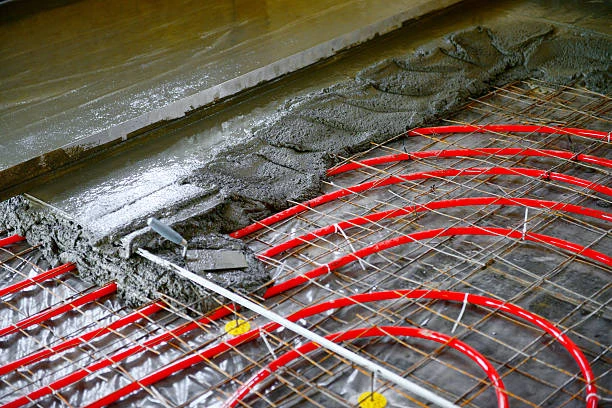
Installation requires careful planning. Professionals lay out the pipes in a specific pattern. This pattern ensures consistent heat across the entire floor. The pipes connect to a manifold and a heat source, like a boiler.
Frequently Asked Questions (FAQ)
1. How long do floor heating pipes last?
These pipes have an incredibly long lifespan. Manufacturers often guarantee them for over 25 years. Many systems can last for decades without any issues. Their durable materials resist wear and tear effectively. Proper installation and maintenance are key to longevity.
2. Can these pipes leak?
Modern PEX pipes are very reliable. They are seamless and highly resistant to leaks. The risk of a leak is extremely low after a correct installation. Professionals pressure-test the entire system before the final floor covering goes on. This check ensures everything is completely secure.
3. What floors work best with this system?
Tile and stone are excellent conductors of heat. They work perfectly with hydronic floor heating. You can also use engineered wood, laminate, or vinyl. Always avoid solid hardwood, as heat can damage it. Check with your flooring manufacturer for compatibility advice.
4. Is the installation process very complicated?
Installation is a job for experienced professionals. It involves multiple important steps. Technicians must properly insulate the subfloor first. Then they secure the piping in precise loops. Finally, they connect everything to the manifold. A qualified installer will handle this complex process efficiently.
5. How quickly will the floor heat up?
Hydronic systems have a slower response time. The concrete layer needs time to warm up initially. This process might take a few hours. However, the system then maintains a steady temperature very consistently. You will enjoy stable and comfortable heat for long periods.
Common Uses and Application Industries
Radiant floor heating serves many purposes. Its primary use is in residential comfort. Homeowners install it in bathrooms, kitchens, and living areas. It provides cozy warmth underfoot. It is a luxury feature in many modern houses.
The system is also ideal for large spaces. Airports and museums often use this technology. It heats big open areas without any visible equipment. This keeps the architecture clean and unobstructed. Visitors enjoy a comfortable environment.
Commercial buildings benefit greatly. Offices use underfloor heating for employee comfort. Restaurants use it on outdoor patios to extend their season. It melts snow on driveways and ramps for safety. This prevents ice accumulation effectively.
Industrial applications are common too. Factories use it to keep workers warm. Garages use it to prevent ice on concrete floors. Farmers use it in barns to protect animals from the cold. The uses are virtually endless.
Even the agricultural sector relies on it. Greenhouses use floor heating for optimal plant growth. It maintains a consistent root zone temperature. This promotes healthier plants and higher yields. It is an efficient solution for modern farming.
Conclusion
In summary, floor heating pipes offer superb comfort and efficiency. They provide a uniform heat that people find very pleasant. These systems are durable and reliable for the long term. They work in homes, businesses, and industrial settings.
Understanding the installation and features is important. This knowledge helps in making informed decisions. We hope this guide answered your key questions. Consider hydronic heating for your next project. It represents a smart investment in modern, comfortable living.
The Complete Guide to Floor Heating Pipes: Installation, FAQs, and Uses
Imagine stepping onto a warm floor on a chilly morning. This comfort comes from a modern heating system. Floor heating pipes make this possible. They carry warm water beneath your floors. This guide covers everything about these pipes. We will explore their installation and key features. We will also answer common questions. You will learn about their many uses across industries. This information helps homeowners and professionals alike. Let us dive into the world of radiant floor heating.
Basic Definition and Key Characteristics
Floor heating pipes are essential components. They form a hidden network under the floor. This system circulates warm water. It evenly heats a room from the ground up. People often call this hydronic radiant heating.
These pipes boast a unique structure. Most modern systems use cross-linked polyethylene, or PEX. This material offers excellent flexibility and durability. It also resists corrosion and scale build-up. Some pipes have an oxygen barrier layer. This protection prevents rust in other metal system parts.
The system works very efficiently. It uses lower water temperatures than traditional radiators. This operation can lead to significant energy savings. The heat distribution feels very natural and comfortable. It eliminates cold spots common with forced air systems.
Installation requires careful planning. Professionals lay out the pipes in a specific pattern. This pattern ensures consistent heat across the entire floor. The pipes connect to a manifold and a heat source, like a boiler.
Frequently Asked Questions (FAQ)
1. How long do floor heating pipes last?
These pipes have an incredibly long lifespan. Manufacturers often guarantee them for over 25 years. Many systems can last for decades without any issues. Their durable materials resist wear and tear effectively. Proper installation and maintenance are key to longevity.
2. Can these pipes leak?
Modern PEX pipes are very reliable. They are seamless and highly resistant to leaks. The risk of a leak is extremely low after a correct installation. Professionals pressure-test the entire system before the final floor covering goes on. This check ensures everything is completely secure.
3. What floors work best with this system?
Tile and stone are excellent conductors of heat. They work perfectly with hydronic floor heating. You can also use engineered wood, laminate, or vinyl. Always avoid solid hardwood, as heat can damage it. Check with your flooring manufacturer for compatibility advice.
4. Is the installation process very complicated?
Installation is a job for experienced professionals. It involves multiple important steps. Technicians must properly insulate the subfloor first. Then they secure the piping in precise loops. Finally, they connect everything to the manifold. A qualified installer will handle this complex process efficiently.
5. How quickly will the floor heat up?
Hydronic systems have a slower response time. The concrete layer needs time to warm up initially. This process might take a few hours. However, the system then maintains a steady temperature very consistently. You will enjoy stable and comfortable heat for long periods.
Common Uses and Application Industries
Radiant floor heating serves many purposes. Its primary use is in residential comfort. Homeowners install it in bathrooms, kitchens, and living areas. It provides cozy warmth underfoot. It is a luxury feature in many modern houses.
The system is also ideal for large spaces. Airports and museums often use this technology. It heats big open areas without any visible equipment. This keeps the architecture clean and unobstructed. Visitors enjoy a comfortable environment.
Commercial buildings benefit greatly. Offices use underfloor heating for employee comfort. Restaurants use it on outdoor patios to extend their season. It melts snow on driveways and ramps for safety. This prevents ice accumulation effectively.
Industrial applications are common too. Factories use it to keep workers warm. Garages use it to prevent ice on concrete floors. Farmers use it in barns to protect animals from the cold. The uses are virtually endless.
Even the agricultural sector relies on it. Greenhouses use floor heating for optimal plant growth. It maintains a consistent root zone temperature. This promotes healthier plants and higher yields. It is an efficient solution for modern farming.
Conclusion
In summary, floor heating pipes offer superb comfort and efficiency. They provide a uniform heat that people find very pleasant. These systems are durable and reliable for the long term. They work in homes, businesses, and industrial settings.
Understanding the installation and features is important. This knowledge helps in making informed decisions. We hope this guide answered your key questions. Consider hydronic heating for your next project. It represents a smart investment in modern, comfortable living.
IFAN’s international standards
IFAN products comply with multiple international standards, including BS 3505, BS 4346, ASTM D1785 SCH40, ASTM D1785 SCH80, DIN, GB, DWV, ASTM D2665, ASTM D2241, ASTM D2729, ASTM F441/F441M, ISO 1452 Series standards, EN ISO 1452, DIN 8061/8062, GB/T 10002 Series standards, AS/NZS 1477, JIS K6741, CSA B137.3, NSF/ANSI 14, TIS 17-2532/1131-2535, among others. These certifications ensure that IFAN piping systems meet global requirements for safety, durability, and performance.
Contact
IFAN is a professional manufacturer with 30 years of experience, dedicated to producing high-quality plastic pipes, fittings, and valves. Our products include brass valves, PPR valves, as well as various pipes and fittings to meet different customer needs. Whether you need plumbing and drainage pipes or valve products. IFAN can provide a diverse range of high-quality, cost-effective products to support your projects. Below is our contact information.
We will reply your email or fax within 24 hours.
You can call us at any time if there is any question on our production.
Pls Mailto:[email protected]










Recent Comments