
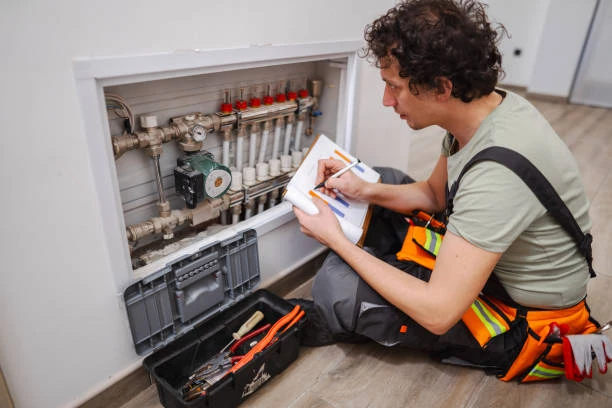
Radiant heat tubing forms the core of modern, efficient heating systems, circulating warm water beneath floors to provide consistent and comfortable warmth. This guide offers a comprehensive look at this technology, with a special focus on the crucial role of protective packaging, its defining characteristics, and its wide-ranging applications across industries. We will also answer the most frequently asked questions to help you understand why proper packaging is vital for ensuring the system’s longevity and peak performance from the moment it leaves the factory.
Frequently Asked Questions (FAQ)
1. Why is the packaging for radiant heat tubing so important?
Superior packaging does far more than just look good. It acts as a critical shield against ultraviolet light, which can degrade the plastic polymer over time. It also protects the tubing from physical damage like scratches, crushing, or puncture during shipping and storage, preventing costly failures before installation even begins.
2. What materials are commonly used for packaging this tubing?
Manufacturers typically use heavy-duty plastic sleeves or wraps that are completely opaque to block UV light. They then coil the tubing securely onto a robust plastic or cardboard spool. Finally, the entire unit is often boxed in a sturdy cardboard carton to prevent any crushing or impact damage.
3. Can I install tubing that has been stored in its packaging for a long time?
You can, but you must first perform a careful inspection. Check the manufacturing date and ensure the packaging shows no signs of damage, such as tears or holes that may have exposed the tubing to sunlight. We always recommend a pressure test after installation to guarantee integrity.
4. How does the packaging prevent oxygen from entering the system?
Some radiant heating systems, particularly those for concrete slabs, use special barrier tubing designed to minimize oxygen permeability. The packaging itself does not prevent oxygen ingress; instead, it protects the tubing’s integral oxygen diffusion barrier from damage that could compromise its functionality.
5. What should I do if the packaging arrives damaged?
If you receive a coil with compromised packaging, you must inspect the tubing thoroughly. Look for any kinks, visible scratches, or signs of exposure to sunlight. We strongly advise you to contact your supplier immediately to report the issue and request a replacement. Do not install potentially damaged tubing.
Basic Definition and Key Characteristics
Radiant heat tubing is a flexible, durable pipe, most often made from cross-linked polyethylene (PEX), that experts install in floors, walls, or ceilings to form a heating system. People pump heated water through this network of tubing, and then the thermal energy radiates upward, warming people and objects in the room directly. This method provides a much more uniform and comfortable heat compared to forced-air systems.
This tubing boasts several key characteristics that make it ideal for its purpose. First, its flexibility allows installers to route it easily through intricate layouts, navigating around obstacles without needing a multitude of joints or fittings. This flexibility reduces potential leak points. Second, the material offers excellent resistance to the corrosion and scale buildup that often plagues traditional metal pipes, ensuring a long service life. Furthermore, manufacturers engineer it to withstand high temperatures and pressures commonly found in hydronic heating systems.
A critical feature of some types of PEX tubing is an oxygen diffusion barrier. This is typically a layer of EVOH (ethylene vinyl alcohol) that manufacturers co-extrude with the PEX. This barrier prevents ambient oxygen from permeating the tube wall and entering the water stream, which protects ferrous components like boilers and circulators from corrosion.
Common Uses and Application Industries
The versatility of radiant heat tubing opens up a wide array of uses across several industries, making it a popular choice for many different heating needs.
Residential Construction: This is the most common application. Installers embed the tubing in a concrete slab (a popular choice for basements), place it over subfloors with lightweight gypsum or concrete pours, or secure it beneath wooden floors using aluminum heat transfer plates. Homeowners enjoy the luxury of warm floors and even, efficient heat throughout their living spaces.
Commercial Buildings: Many businesses find radiant heating highly beneficial. You will often see these systems in airports, museums, hospitals, and large office complexes. The silent, invisible heat does not disturb the environment and provides exceptional comfort for occupants. It also eliminates the dust and allergen circulation associated with ductwork.
Industrial and Agricultural Applications: Factories and workshops use in-floor radiant heat to keep workers comfortable without the stratification issues of forced-air systems. In the agricultural sector, farmers use radiant heat tubing to warm greenhouse soil, promoting plant growth year-round. They also use it in farrowing huts to keep newborn livestock warm and healthy.
Specialized Melting and Comfort Applications: A unique use for this technology is in outdoor settings. Engineers embed robust tubing in driveways, sidewalks, and even on airport ramps to melt snow and ice automatically. This eliminates the need for harmful chemical deicers and strenuous shoveling, providing a clear, safe surface in winter.
Hospitality and Recreation: High-end hotels, spas, and luxury homes often install radiant heating in bathroom floors for added comfort. You will also find these systems warming the floors of swimming pool decks, locker rooms, and even turf fields to prevent freezing and allow for year-round use.
Conclusion
In summary, radiant heat tubing provides an exceptionally efficient, comfortable, and versatile solution for heating needs across a diverse range of settings. Its flexibility, durability, and corrosion resistance make it a superior choice over older technologies. However, its high performance and long life depend heavily on the integrity of its protective packaging from the manufacturer to the job site. Understanding the importance of this packaging, along with the tubing’s core features and widespread applications, allows everyone from homeowners to project managers to make fully informed decisions. By prioritizing quality in both the product and its protective shipping materials, you ensure the system will deliver reliable, energy-efficient comfort for many decades to come.
IFAN’s international standards
IFAN products comply with multiple international standards, including BS 3505, BS 4346, ASTM D1785 SCH40, ASTM D1785 SCH80, DIN, GB, DWV, ASTM D2665, ASTM D2241, ASTM D2729, ASTM F441/F441M, ISO 1452 Series standards, EN ISO 1452, DIN 8061/8062, GB/T 10002 Series standards, AS/NZS 1477, JIS K6741, CSA B137.3, NSF/ANSI 14, TIS 17-2532/1131-2535, among others. These certifications ensure that IFAN piping systems meet global requirements for safety, durability, and performance.
Contact
IFAN is a professional manufacturer with 30 years of experience, dedicated to producing high-quality plastic pipes, fittings, and valves. Our products include brass valves, PPR valves, as well as various pipes and fittings to meet different customer needs. Whether you need plumbing and drainage pipes or valve products. IFAN can provide a diverse range of high-quality, cost-effective products to support your projects. Below is our contact information.
We will reply your email or fax within 24 hours.
You can call us at any time if there is any question on our production.
Pls Mailto:[email protected]








Recent Comments