
Choosing the right piping system for hot water applications is essential to ensure reliability, energy efficiency, and long-term performance. PPR tube has become a preferred choice for residential, commercial, and industrial plumbing systems because of its excellent thermal stability, chemical resistance, and durability. Unlike traditional metal or PVC pipes, PPR tubes provide leak-free connections, minimal maintenance, and superior energy efficiency by reducing heat loss. Understanding the features, applications, purchasing considerations, and proper installation of PPR tubes allows homeowners and engineers to build high-performing hot water systems that last for decades. This article provides a comprehensive guide for selecting the right PPR tube for hot water systems, including comparisons with other pipe materials.
Frequently Asked Questions (FAQ)
1. What makes PPR tubes suitable for hot water?
PPR tubes are designed to withstand high temperatures and pressures, making them ideal for hot water supply systems.
2. How long can PPR tubes last in hot water systems?
Properly installed PPR tubes can last up to It depends on the actual situation. or more, depending on water quality and temperature.
3. Are PPR tubes energy efficient?
Yes, PPR tubes reduce heat loss in hot water distribution, improving overall energy efficiency and lowering utility bills.
4. Can PPR tubes handle pressure fluctuations?
Absolutely. PPR tubes are pressure-resistant and can tolerate both steady and fluctuating water pressures in hot water systems.
5. How do PPR tubes compare with copper or PVC pipes?
PPR tubes offer excellent thermal resistance, corrosion-free performance, and lower maintenance compared to copper or PVC pipes.
Definition and Key Features of PPR Tube
PPR tube, or polypropylene random copolymer tube, is a thermoplastic pipe known for its high strength, flexibility, and resistance to heat and chemicals. PPR tubes are ideal for hot water systems because they maintain their structural integrity under high temperatures and pressure, providing reliable and long-lasting performance.
Key features include:
- High Thermal Resistance: Handles hot water supply efficiently without deformation.
- Chemical and Corrosion Resistance: Resists scaling, rust, and most chemicals, ensuring safe and clean water.
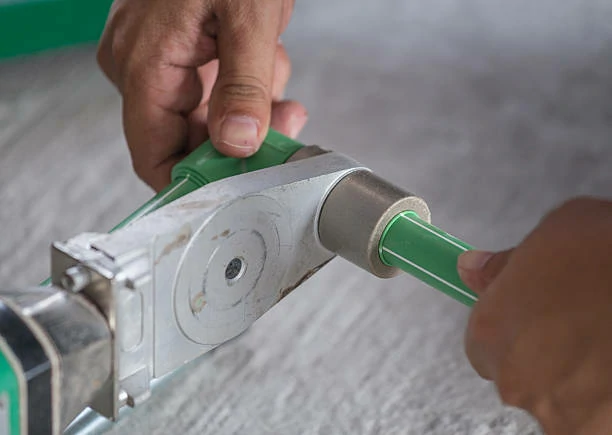
- Leak-Free Connections: Heat-fusion welding creates durable, seamless joints.
- Energy Efficiency: Low thermal conductivity reduces heat loss, enhancing overall system efficiency.
- Lightweight and Easy to Install: Simplifies transportation, handling, and labor costs.
- Long Service Life: Resistant to environmental stress, UV exposure, and aging for decades of use.
These features make PPR tubes a reliable, energy-saving, and cost-effective solution for hot water distribution.
Common Applications and Industries
PPR tubes are widely used in hot water systems across residential, commercial, and industrial sectors:
- Residential Plumbing: Homes, apartments, and villas use PPR tubes for safe and energy-efficient hot water supply.
- Commercial Buildings: Hotels, offices, hospitals, and schools rely on PPR tubes for heating systems and hot water distribution.
- Industrial Applications: Factories and manufacturing plants use PPR tubes to transport hot water and process fluids safely.
- Heating Systems: PPR tubes are ideal for underfloor heating, circulation, and radiator connections due to their thermal stability.
- Public Infrastructure: Suitable for municipal hot water networks and community heating systems.
The combination of durability, energy efficiency, and ease of installation makes PPR tubes suitable for multiple industries and applications.
Purchasing Guide for PPR Tube
Selecting the right PPR tube for hot water systems requires careful attention to:
- Material Grade: Choose PN16, PN20, or other grades designed for high-temperature applications.
- Pipe Diameter and Wall Thickness: Proper sizing ensures adequate water flow and pressure handling.
- Color Coding: Typically green or white for hot water supply; helps prevent installation errors.
- Certifications: ISO, ASTM, and regional standards ensure quality, safety, and compliance.
- Supplier Reputation: Trusted manufacturers provide technical support, warranties, and consistent product quality.
Considering these factors ensures a reliable, energy-efficient system and minimizes long-term maintenance costs.
Installation Considerations for PPR Tube
Proper installation is critical to maximize the performance and lifespan of PPR tubes in hot water systems:
- Pipe Handling: Avoid dragging pipes on rough surfaces; use appropriate equipment for large diameters.
- Joining Methods: Use heat-fusion welding or socket fusion for strong, leak-free joints.
- Trench and Space Preparation: Ensure smooth bedding to prevent damage during installation.
- Thermal Expansion: Allow space for expansion and contraction to prevent stress on pipes and joints.
- Backfilling: Use fine soil initially and compact carefully to protect pipes from sharp objects.
- Pressure Testing: Conduct hydrostatic tests after installation to confirm system integrity.
Following these steps ensures safe, reliable, and long-lasting hot water distribution.
PPR Tube vs Other Piping Materials
| Feature | PPR Tube | Copper Pipe | PVC Pipe | HDPE Pipe |
|---|---|---|---|---|
| Thermal Resistance | High | High | Moderate | Moderate |
| Corrosion Resistance | Excellent | Good | Poor | Excellent |
| Flexibility | Moderate | Low | Low | High |
| Weight | Light | Heavy | Medium | Light |
| Installation Cost | Low | High | Medium | Low |
| Lifespan | 50+ years | 50–70 years | 25–It depends on the actual situation. | 50–100 years |
| Joint Type | Fusion / Socket | Soldered / Compression | Solvent / Mechanical | Fusion / Mechanical |
| Energy Efficiency | High | Moderate | Low | High |
The table highlights that PPR tubes provide superior thermal resistance, corrosion-free performance, and energy efficiency compared to copper, PVC, or HDPE pipes, making them ideal for hot water systems.
Conclusion
PPR tube is an excellent choice for hot water systems, combining reliability, energy efficiency, and long service life. Its thermal resistance, chemical stability, and leak-free connections ensure safe and efficient operation in residential, commercial, and industrial applications. By selecting the correct material grade, pipe diameter, and certified suppliers, and by following proper installation practices, homeowners and engineers can achieve a durable and cost-effective hot water system. Compared to copper, PVC, or HDPE pipes, PPR tubes offer superior thermal performance, reduced maintenance costs, and enhanced energy efficiency, making them a sustainable and dependable choice for decades of hot water distribution.
IFAN’s international standards
IFAN adheres to a comprehensive set of international and national standards to ensure the highest quality and reliability of its products. These standards include ISO 15874 Series, EN 15874 Series, ASTM F2389, DIN 8077/8078, GB/T 18742 Series, NBR 15884, and others. By following these rigorous benchmarks, IFAN guarantees durable, safe, and efficient piping and fitting solutions for various applications.
Contact
IFAN is a professional manufacturer with 30 years of experience, dedicated to producing high-quality plastic pipes, fittings, and valves. Our products include brass valves, PPR valves, as well as various pipes and fittings to meet different customer needs. Whether you need plumbing and drainage pipes or valve products. IFAN can provide a diverse range of high-quality, cost-effective products to support your projects. Below is our contact information.
We will reply your email or fax within 24 hours.
You can call us at any time if there is any question on our production.
Pls Mailto:[email protected]









Recent Comments