
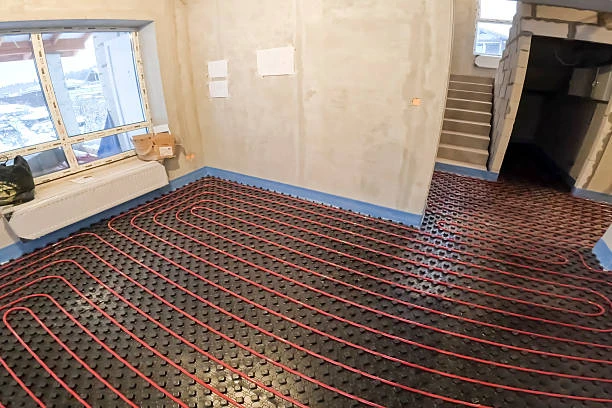
Polypipe underfloor heating systems require comprehensive inspection and testing protocols to ensure optimal performance and longevity. These procedures verify system integrity, confirm installation quality, and prevent potential issues before they affect heating performance. This guide explores the essential inspection and testing methods for Polypipe underfloor heating systems, covering pre-installation checks, installation verification, and post-installation testing protocols. Understanding these procedures helps installers, engineers, and homeowners maintain system reliability and efficiency. Proper inspection and testing practices ensure that all components function correctly, the installation meets design specifications, and the system delivers consistent comfort throughout its service life. From pressure testing to thermal performance verification, these processes form the foundation of a successful underfloor heating installation.
Basic Definition and Key Characteristics
Inspection and testing of Polypipe underfloor heating systems involve multiple verification stages throughout the installation process. Pre-installation checks include examining all components for damage, verifying material specifications, and confirming compatibility between system elements. During installation, professionals conduct pressure tests to ensure pipe integrity and leak-free connections, typically using water or air pressure methods. Thermal imaging technology helps verify proper pipe spacing and layout before floor covering installation. Flow and pressure balance tests confirm that each heating circuit receives adequate water flow and maintains proper temperature distribution. System commissioning includes performance verification through gradual temperature increase monitoring and control system calibration. These procedures utilize specialized equipment including pressure gauges, thermal cameras, flow meters, and temperature sensors to obtain accurate measurements and identify potential issues early in the process.
Common Uses and Application Industries
Inspection and testing procedures for Polypipe underfloor heating systems apply across various industries and application types. Residential construction projects require thorough testing to ensure homeowner comfort and system reliability in single-family homes and apartment buildings. Commercial installations need comprehensive verification processes for office buildings, retail spaces, and hotels where system failure could impact business operations. Industrial applications demand rigorous testing protocols for warehouses and manufacturing facilities where large-area heating performance is critical. Healthcare facilities implement strict inspection standards to maintain consistent temperatures in hospitals and care homes. Architectural projects require detailed verification for luxury residences and landmark buildings where both performance and aesthetics matter. Maintenance companies use these procedures for existing system diagnostics and performance optimization. Each application sector follows specific testing protocols tailored to their unique requirements and performance expectations while maintaining the core principles of system verification and quality assurance.
Frequently Asked Questions (FAQ)
1. What pressure testing standards apply to Polypipe systems?
Industry standards typically require testing at 1.5 times the working pressure for at least 30 minutes, followed by a 24-hour test at working pressure. Most professionals test at 6 bar for standard residential systems, checking for pressure drops that indicate leaks or weak points.
2. How does thermal imaging help in system inspection?
Thermal cameras identify pipe locations, verify spacing consistency, and detect flow problems before floor coverings are installed. This technology also helps locate leaks and air pockets that might affect system performance, saving time and preventing future issues.
3. What routine maintenance checks should homeowners perform?
Homeowners should visually inspect manifolds and connections quarterly, check pressure gauges monthly, and monitor heating performance seasonally. Professional maintenance every two years should include pump checks, valve operation verification, and system pressure tests.
4. How do installers verify proper system balancing?
Installers use flow meters to measure water volume in each circuit, adjusting manifold valves until all circuits achieve designed flow rates. Temperature measurements at manifold returns help verify balanced heat distribution across all zones.
5. What documentation should proper inspection provide?
Complete documentation includes pressure test records, thermal imaging reports, flow measurement data, and commissioning certificates. This documentation provides valuable reference for future maintenance and warranty claims.
Conclusion
Thorough inspection and testing procedures ensure Polypipe underfloor heating systems deliver reliable performance and long-term efficiency. These verification processes protect investments by identifying potential issues early and confirming that installations meet design specifications and quality standards. Regular maintenance checks and performance monitoring help maintain optimal system operation throughout its service life. The comprehensive approach to testing—from initial pressure tests to final performance verification—provides confidence in system reliability and efficiency. As underfloor heating technology advances, inspection methods continue to evolve with new tools and techniques that enhance accuracy and efficiency. By following established testing protocols and maintaining detailed documentation, installers and homeowners can ensure their Polypipe underfloor heating systems provide consistent comfort, energy efficiency, and trouble-free operation for years to come. The commitment to proper inspection and testing ultimately delivers the full benefits of underfloor heating technology while minimizing potential issues and maximizing system longevity.
IFAN’s international standards
IFAN products comply with multiple international standards, including BS 3505, BS 4346, ASTM D1785 SCH40, ASTM D1785 SCH80, DIN, GB, DWV, ASTM D2665, ASTM D2241, ASTM D2729, ASTM F441/F441M, ISO 1452 Series standards, EN ISO 1452, DIN 8061/8062, GB/T 10002 Series standards, AS/NZS 1477, JIS K6741, CSA B137.3, NSF/ANSI 14, TIS 17-2532/1131-2535, among others. These certifications ensure that IFAN piping systems meet global requirements for safety, durability, and performance.
Contact
IFAN is a professional manufacturer with 30 years of experience, dedicated to producing high-quality plastic pipes, fittings, and valves. Our products include brass valves, PPR valves, as well as various pipes and fittings to meet different customer needs. Whether you need plumbing and drainage pipes or valve products. IFAN can provide a diverse range of high-quality, cost-effective products to support your projects. Below is our contact information.
We will reply your email or fax within 24 hours.
You can call us at any time if there is any question on our production.
Pls Mailto:[email protected]




Recent Comments