
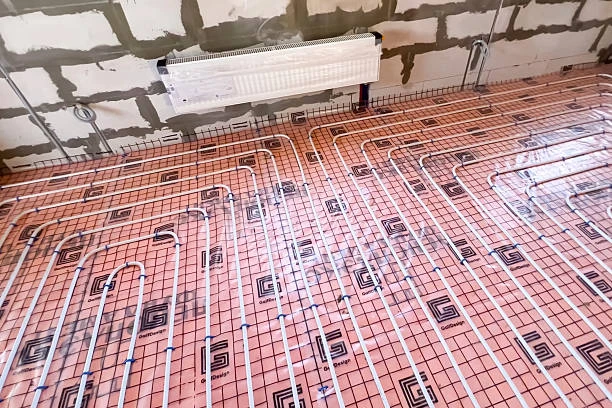
PEX floor heating systems represent a modern and highly efficient method for warming homes and commercial spaces. This technology utilizes a network of flexible cross-linked polyethylene tubing installed beneath the floor to provide consistent, radiant heat. Unlike traditional forced-air systems, radiant floor heating offers unparalleled comfort, improved energy efficiency, and a silent operation. This comprehensive guide will explore everything you need to know about PEX floor heating, from its fundamental principles and widespread applications to answering the most common questions homeowners and professionals have. By understanding its benefits and functionalities, you can make an informed decision about integrating this innovative heating solution into your next project.
Basic Definition and Key Characteristics
PEX, or cross-linked polyethylene, is a durable and flexible plastic tubing that has revolutionized modern plumbing and heating applications. In a floor heating system, PEX tubes serve as the conduit for warm water, effectively turning the entire floor into a gentle, oversized radiator. The “cross-linking” process enhances the polymer’s molecular structure, giving the tubing superior strength, high-temperature resistance, and long-term durability against cracks and corrosion.
Several key characteristics make PEX the ideal choice for radiant floor heating. First, its incredible flexibility allows installers to snake the tubing in long, continuous loops with very few fittings. This minimizes the risk of leaks and pressure drops within the system. Furthermore, PEX tubing exhibits a unique shape memory, meaning it can expand and contract with temperature changes without suffering damage. This resilience is crucial for handling the thermal cycles of a heating system. Additionally, PEX is highly resistant to scale build-up and chemical corrosion, ensuring a long service life with minimal maintenance. These properties combine to create a reliable and robust foundation for a heating system that can last for decades.
Common Uses and Application Industries
The versatility of PEX floor heating allows for its use in a wide array of settings, from cozy residential bathrooms to massive industrial warehouses. In the residential sector, it is a popular choice for heating entire homes, as well as for specific comfort-focused areas like bathrooms, kitchens, and basements. The luxury of stepping onto a warm floor on a cold morning is a significant selling point for homeowners. Moreover, these systems integrate seamlessly with various floor coverings, including tile, stone, laminate, and even engineered wood, making them suitable for any room’s design aesthetic.
Beyond homes, the commercial and industrial applications for PEX radiant heating are extensive. In commercial settings, such as hotels, restaurants, and retail stores, radiant floors provide discreet and comfortable warmth without unsightly radiators or noisy vents, enhancing the customer experience. For industrial facilities like aircraft hangars or manufacturing plants, installing PEX tubing within the concrete slab provides an efficient way to combat the vast, often difficult-to-heat, spaces. The agricultural industry also benefits greatly; farmers use PEX systems to warm greenhouse floors, promoting plant growth, or to keep barn floors dry and comfortable for animals. This broad applicability underscores the system’s efficiency and effectiveness across diverse environments.
Frequently Asked Questions (FAQ)
1. How long does a PEX floor heating system typically last?
A properly installed and maintained PEX floor heating system boasts an exceptionally long lifespan. The PEX tubing itself can often last for over It depends on the actual situation.. The system’s longevity ultimately depends on other components, such as the manifold and the heat source, which may require service or replacement sooner.
2. Is PEX floor heating energy efficient?
Yes, PEX radiant floor heating is remarkably energy efficient. It operates at lower temperatures than forced-air systems because it heats objects and people directly rather than wasting energy warming the air in the room. This method of radiant heat transfer minimizes heat loss and allows the system to work in tandem with high-efficiency boilers or even solar thermal systems, leading to substantial savings on energy bills.
3. Can PEX floor heating be used as a primary heat source?
Absolutely. In many well-insulated homes and buildings, a PEX radiant floor system can serve as the sole primary heat source. The key to its success as a primary heat source is proper design and installation, ensuring the system’s output matches the heat loss calculations of the space.
4. What are the main installation methods for PEX tubing?
There are two primary methods for installing PEX floor heating tubing. The first is the “wet” or “thick-set” method, where tubes are embedded within a solid layer of concrete or gypsum-based pour. This is common in new construction.
5. Does a PEX radiant floor heat up quickly?
Radiant floor heating is designed for consistency rather than speed. Because the system heats the entire thermal mass of the floor, it takes longer to reach the desired temperature compared to a forced-air furnace. However, once warmed up, it maintains a very steady and comfortable temperature for long periods.
Conclusion
In summary, PEX floor heating stands out as a superior modern heating solution that effectively combines comfort, efficiency, and durability. Its design, utilizing flexible and resilient tubing, transforms floors into gentle, radiant heat sources that provide consistent warmth. The technology’s adaptability makes it perfect for nearly any application, from residential renovations to large-scale commercial and industrial projects. By addressing common concerns and highlighting its core features, we can see that PEX radiant heating is not just a luxury but a practical and intelligent investment for long-term energy savings and improved living comfort. Ultimately, choosing PEX floor heating means opting for a silent, invisible, and reliable system that enhances the value and quality of any space.
IFAN’s international standards
IFAN products comply with multiple international standards, including BS 3505, BS 4346, ASTM D1785 SCH40, ASTM D1785 SCH80, DIN, GB, DWV, ASTM D2665, ASTM D2241, ASTM D2729, ASTM F441/F441M, ISO 1452 Series standards, EN ISO 1452, DIN 8061/8062, GB/T 10002 Series standards, AS/NZS 1477, JIS K6741, CSA B137.3, NSF/ANSI 14, TIS 17-2532/1131-2535, among others. These certifications ensure that IFAN piping systems meet global requirements for safety, durability, and performance.
Contact
IFAN is a professional manufacturer with 30 years of experience, dedicated to producing high-quality plastic pipes, fittings, and valves. Our products include brass valves, PPR valves, as well as various pipes and fittings to meet different customer needs. Whether you need plumbing and drainage pipes or valve products. IFAN can provide a diverse range of high-quality, cost-effective products to support your projects. Below is our contact information.
We will reply your email or fax within 24 hours.
You can call us at any time if there is any question on our production.
Pls Mailto:[email protected]










Recent Comments